
Mountain Pepper
$56.00 Original price was: $56.00.$16.80Current price is: $16.80.
SKU: sT3wreeltL
Category: The Dan Hinkley Plant Collection®
LIGHT: Filtered sun, Full sun, Partial shade, Partial sun
WATER: Water when top 2 inches of soil is dry.
SIZE: Reaches 8 to 12 ft tall, 4 to 8 ft. wide.
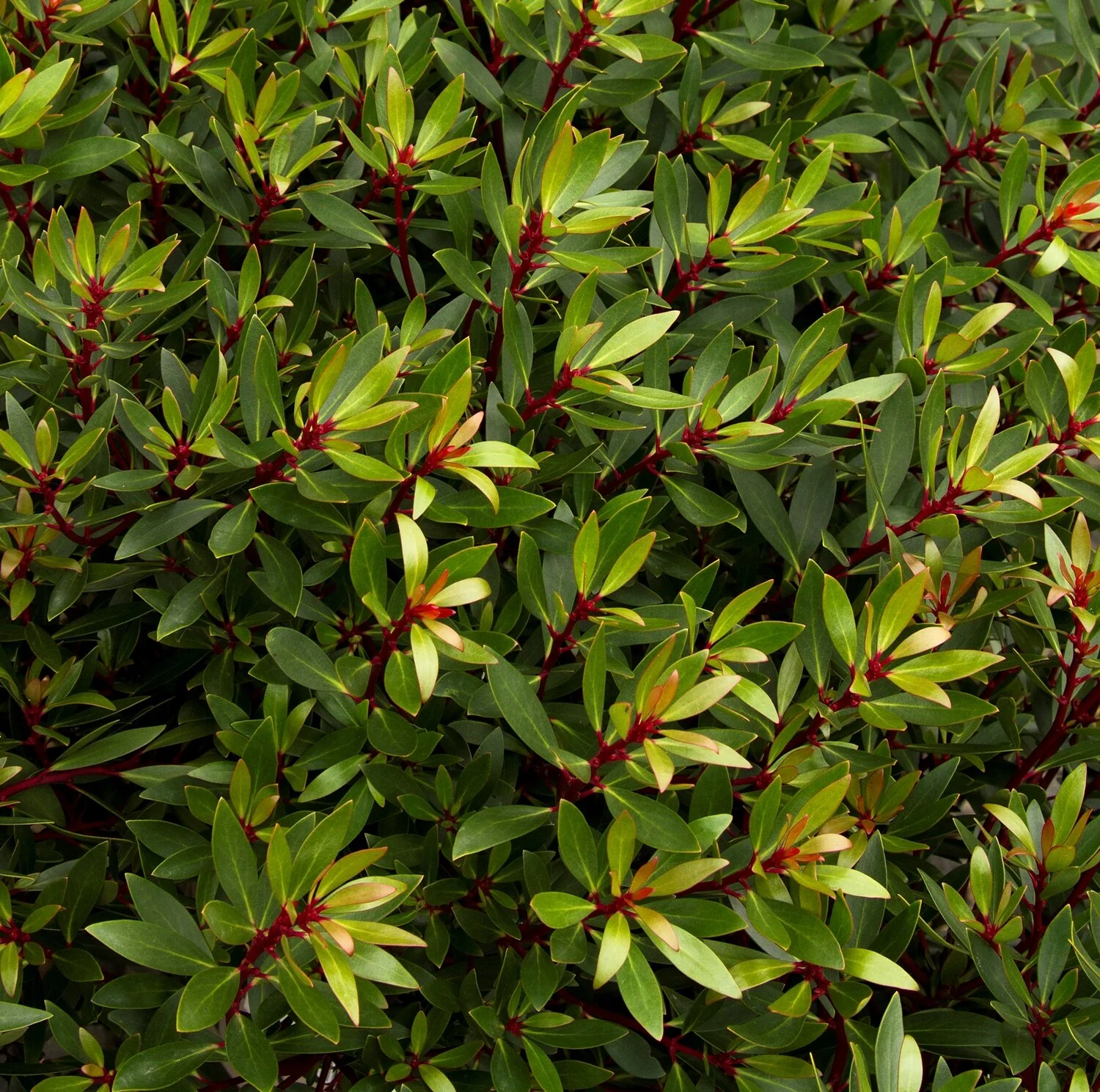
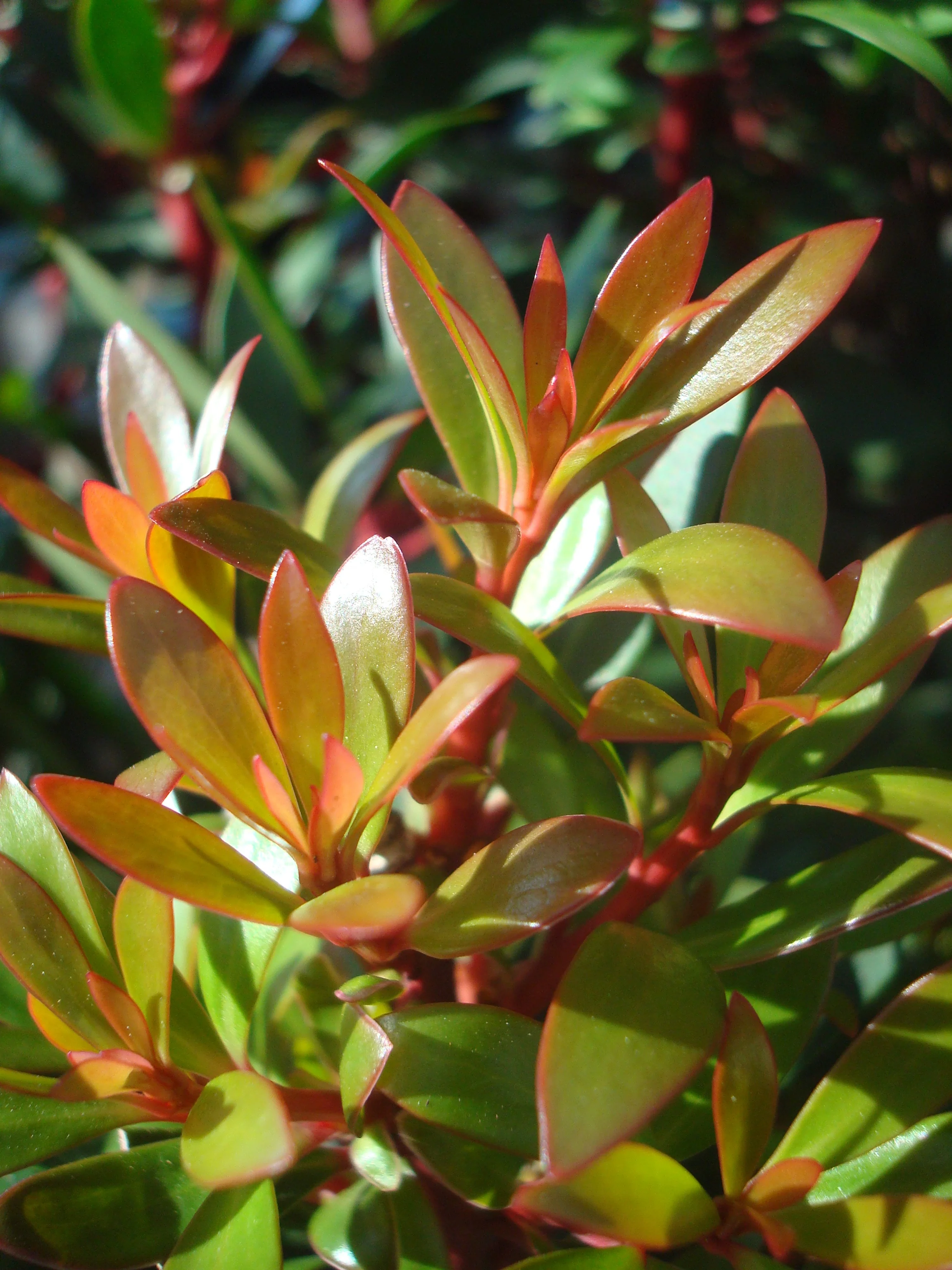
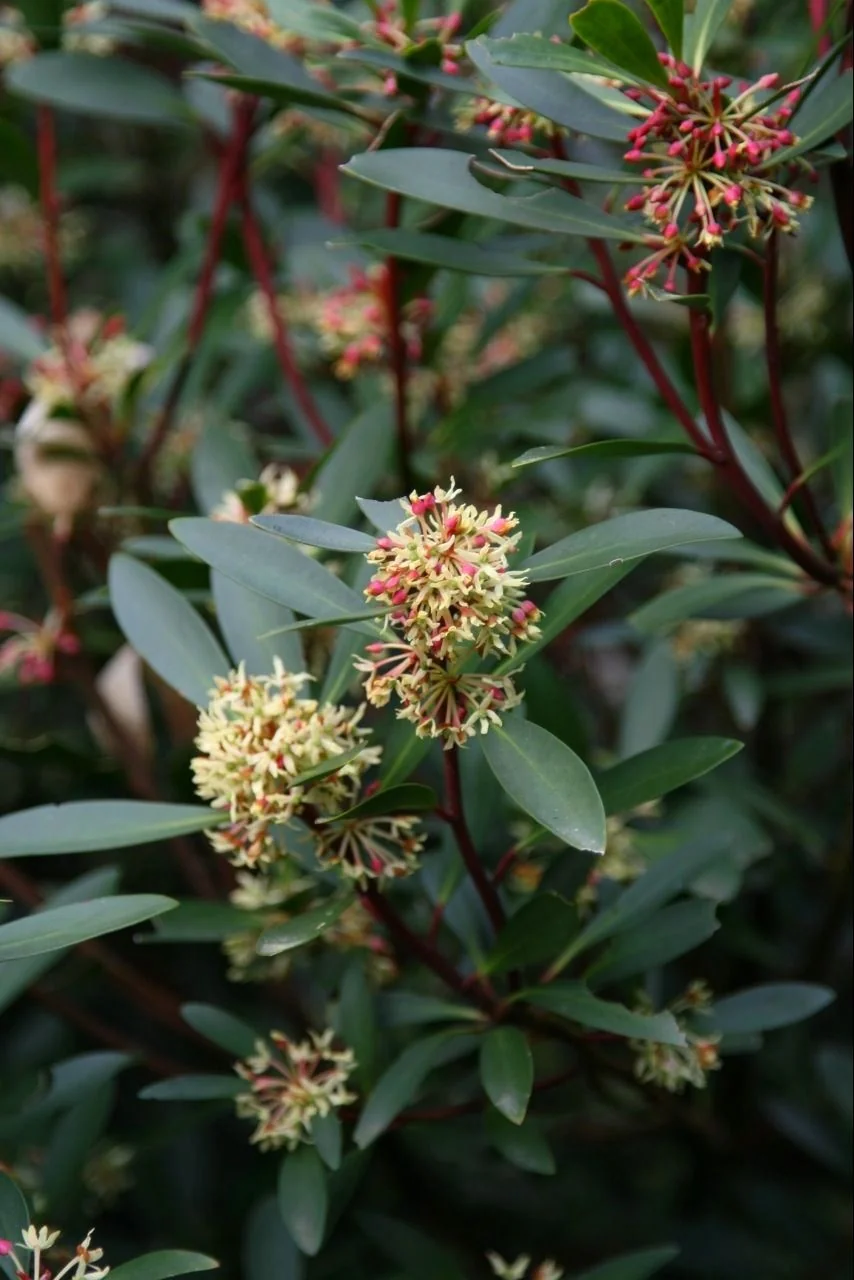
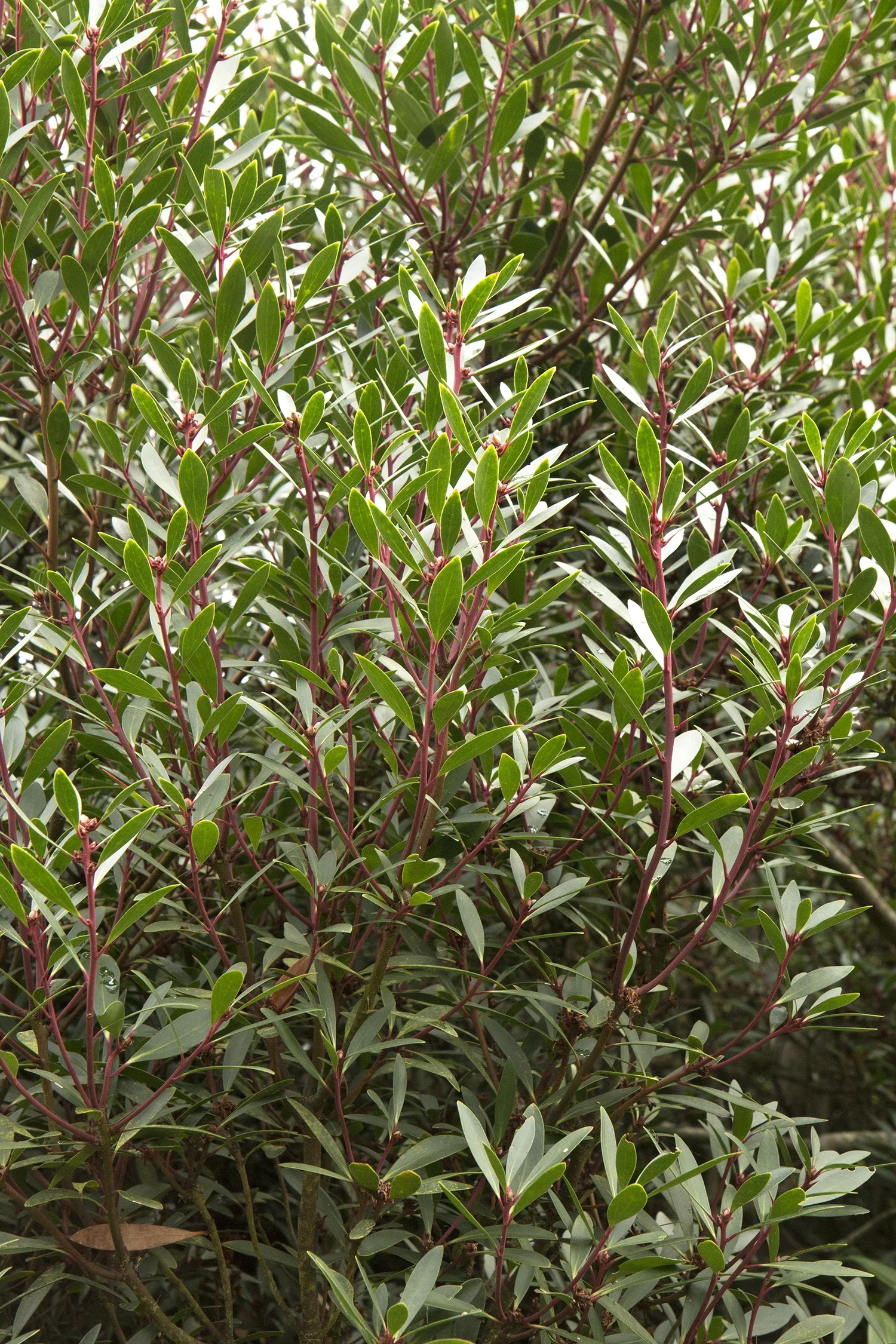
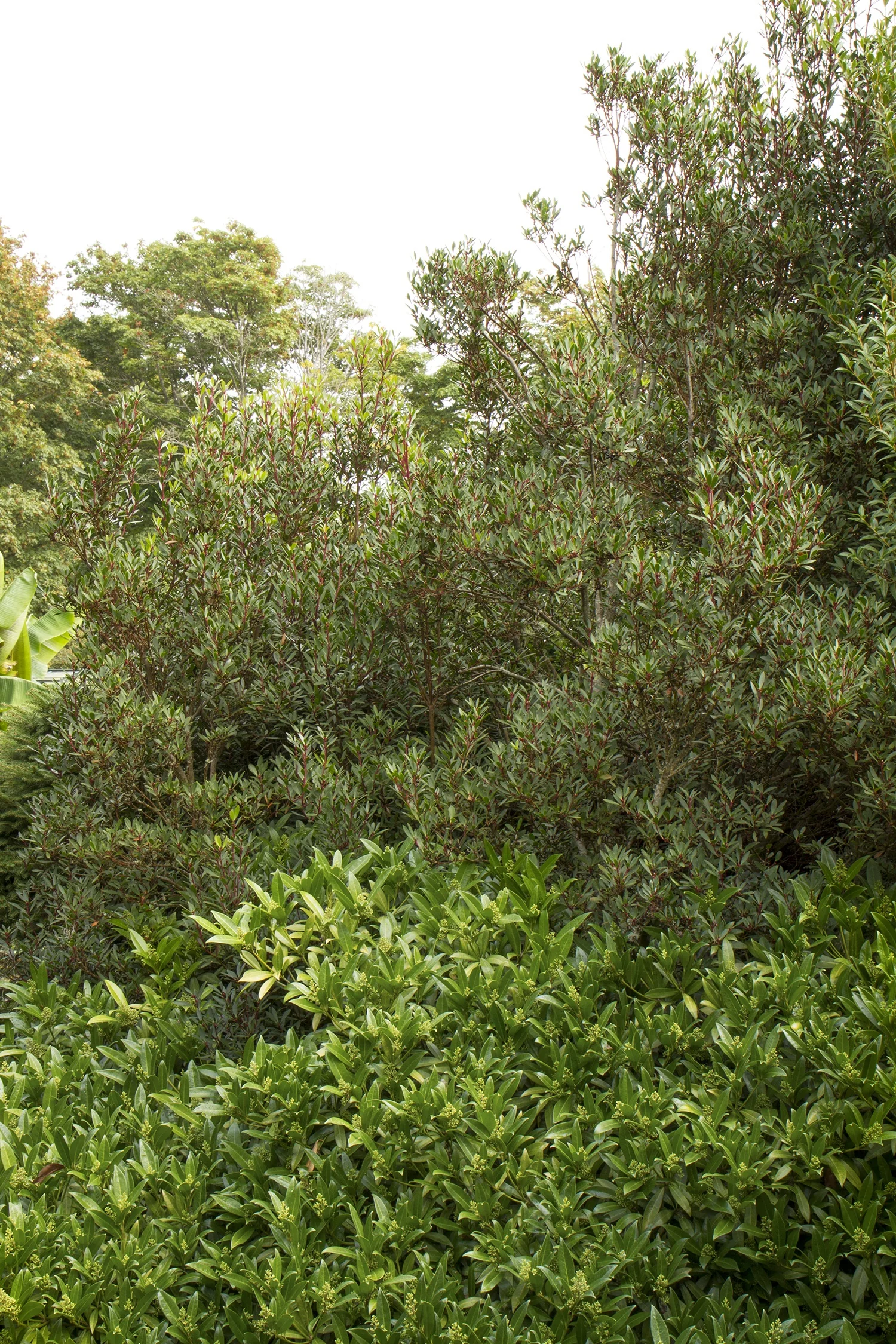
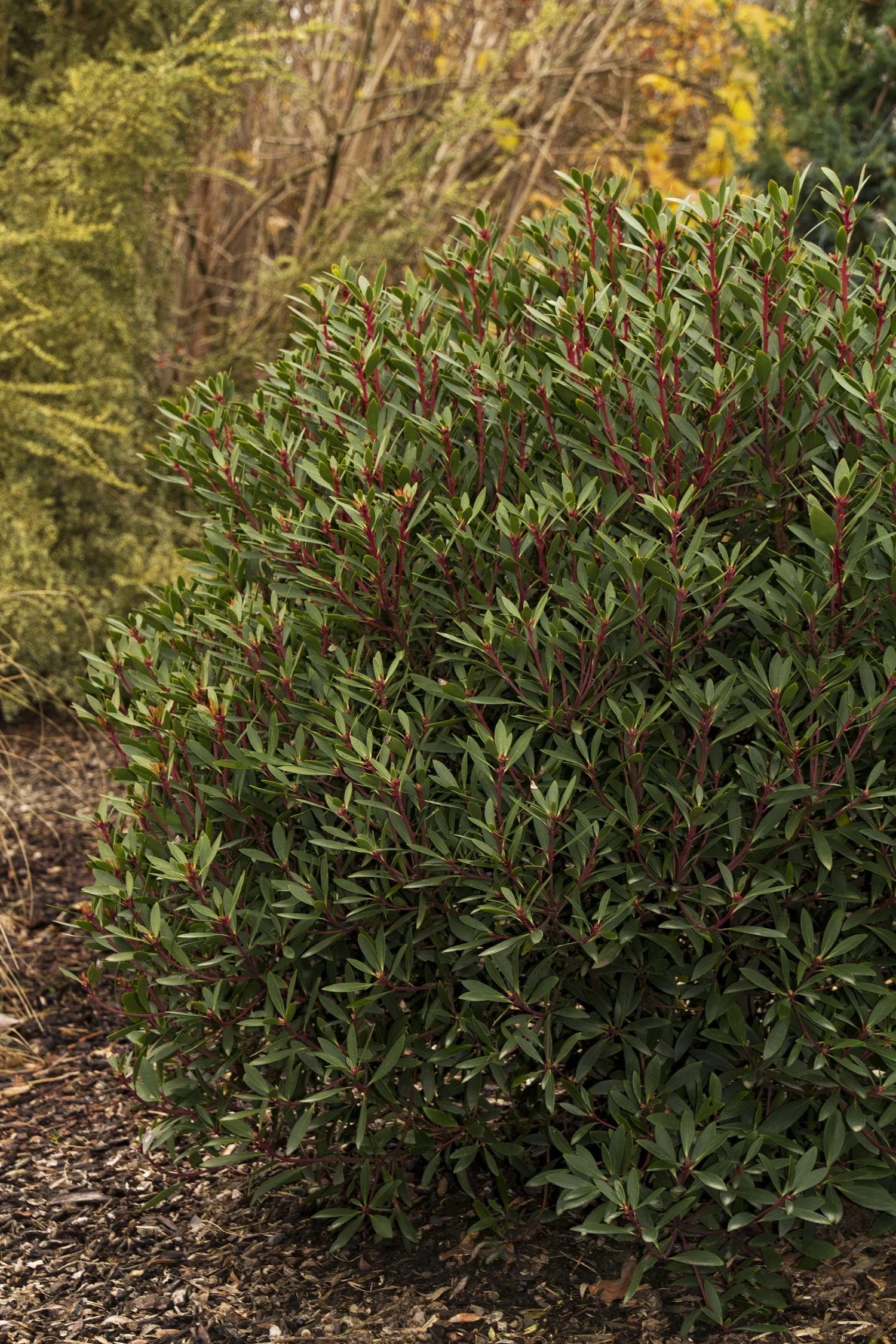
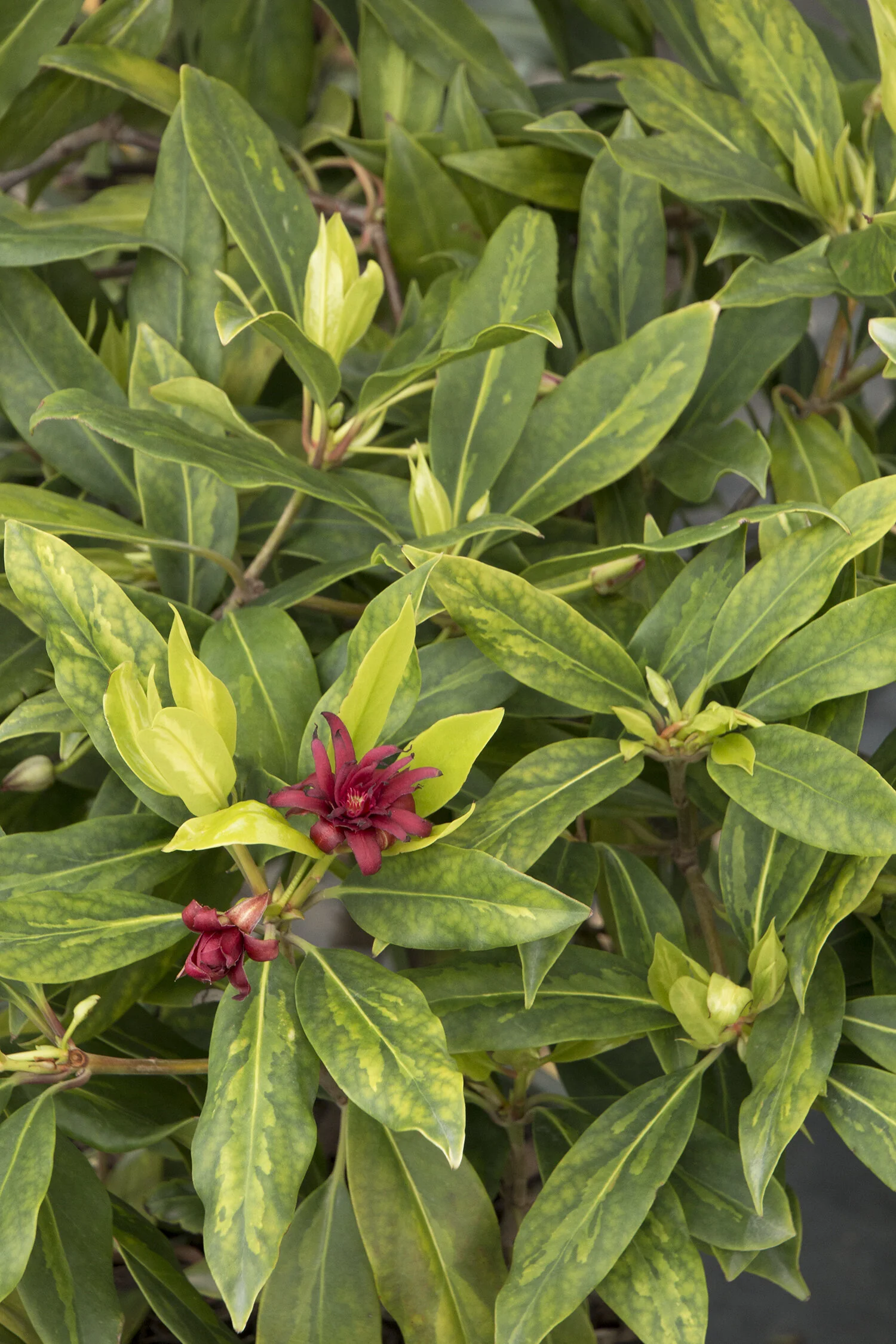
| Description | A true garden aristocrat, this refined evergreen shrub is a great specimen or formal hedge plant for mild climate gardens. The oval-shaped, deep green leaves are held along beautiful red young stems. Creamy yellow-green perfumed blossoms enhance the distinctive foliage. Leaves may be used to add a spicy, peppery flavor to foods. This male selection will not fruit. |
|---|---|
| Bloom Time | Late winter to early spring |
| Deciduous/Evergreen | Evergreen |
| Special Features | Easy Care, Compact Form |
| Problems/Solutions | Coastal Exposure, Deer Resistant |
| Growth Rate | Moderate |
| Flower Attributes | Fragrant |
| Landscape Use | Hedge, Privacy Screen |
| Design Ideas | This distinctive evergreen shrub lends a refined elegance to the garden. Planted in mass as a foundation plant, the glossy foliage will provide a wonderful background to shorter flowering shrubs. Striking dark red stems and leaf petioles stand out especially when grouped with red or burgundy-leaved companions. Attractive as a single specimen shrub, it also takes well to pruning into a formal hedge. |
| Flower Color | Yellow |
| Foliage Color | Dark Green |
| Companion Plants | Weigela (Weigela); Barberry (Berberis); Smoke Tree (Cotinus); Japanese Maple (Acer); Heavenly Bamboo (Nandina) |
| Care Instructions | Prefers moist, well-drained soil. Water deeply, regularly during the first few growing seasons to develop an extensive root system. Tolerates brief drought, once established. In zone 7 and 8, a sheltered location is recommended, to protect from cold, harsh winter winds. Prune as needed to shape, ideally just after flowering. |
| History | This cousin of the Chilean native Drimys winteri, this species originates from Tasmania, an island southeast of mainland Australia. Monrovia-grown Drimy’s lanceolata are thought to be male and are cutting-grown, from stock selected from original seedlings from Dan Hinkley. |
| Lore | Drimys lancolata is dioecious, meaning male and female flowers are produced on separate plants. Female plants require a nearby male plant for pollination in order to produce berries. The aboriginals of its native habitat as well as colonists found the dried fruit of Drimys lancolata to be a perfect substitute for pepper, and it is still used widely for that purpose today. Though colloquially referred to as Tasmanian Pepper, Monrovia’s selection is male and will not produce berries. |
| Size | #1 – .75 Gallon, #2 – 1.6 Gallon |
|---|