
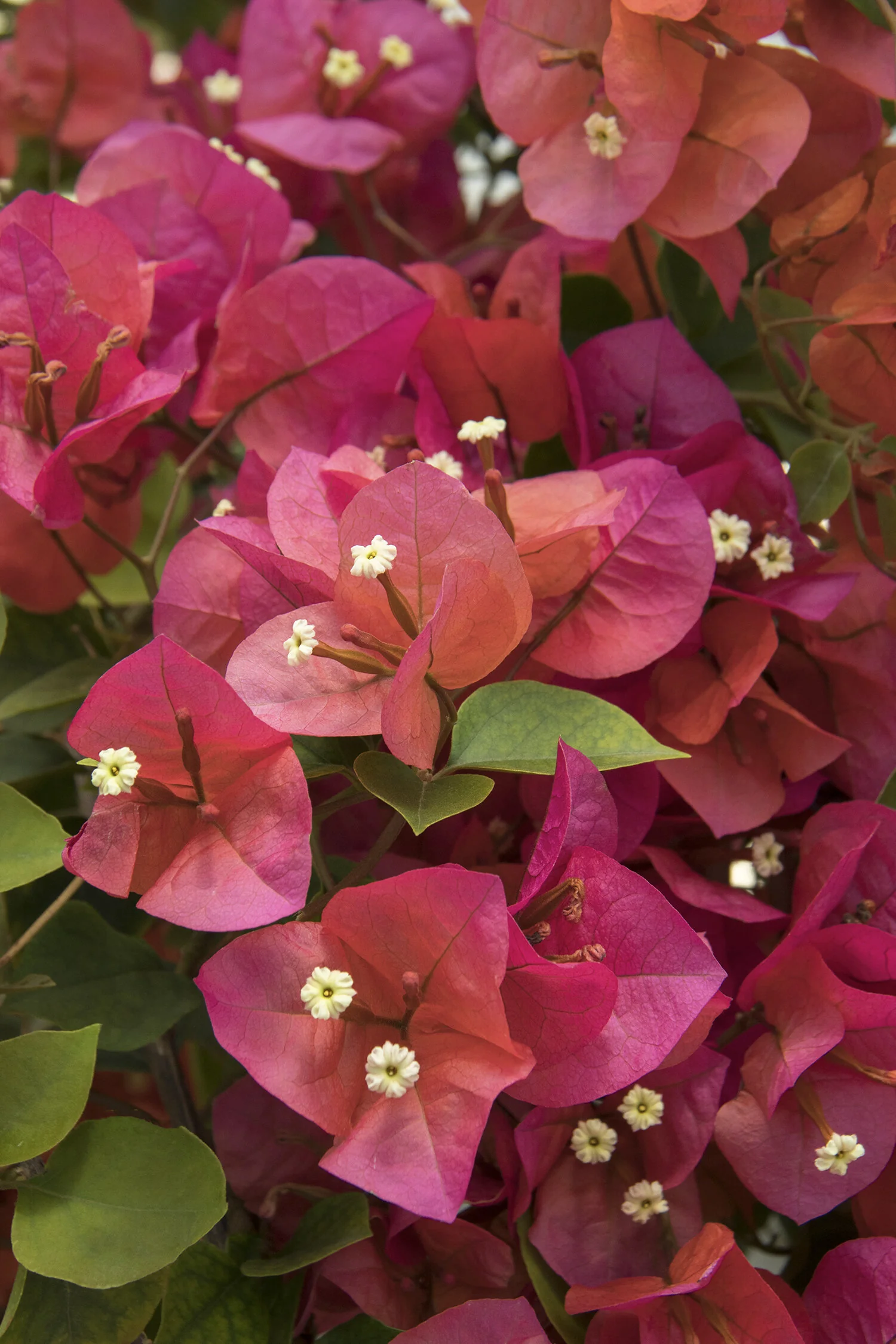
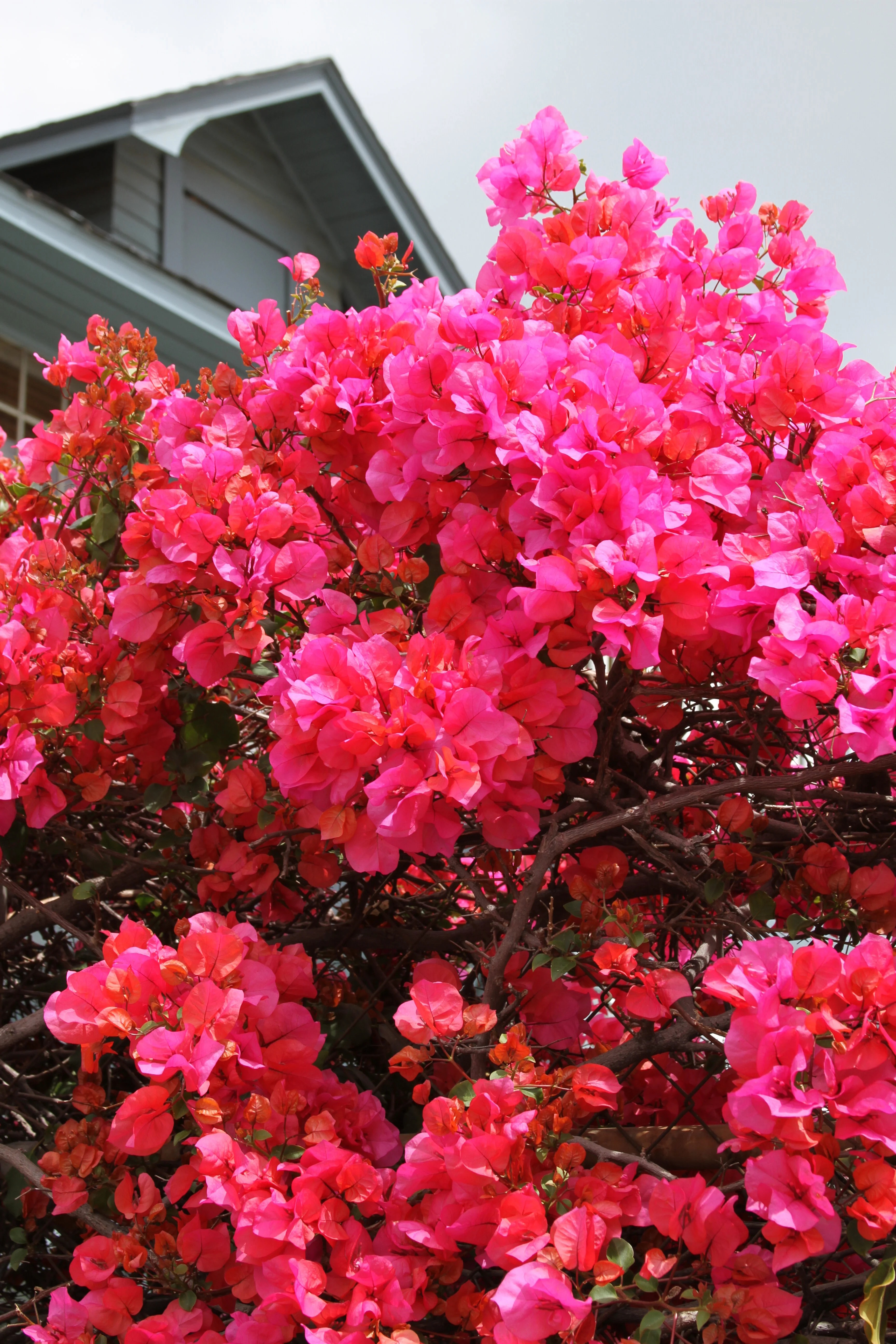
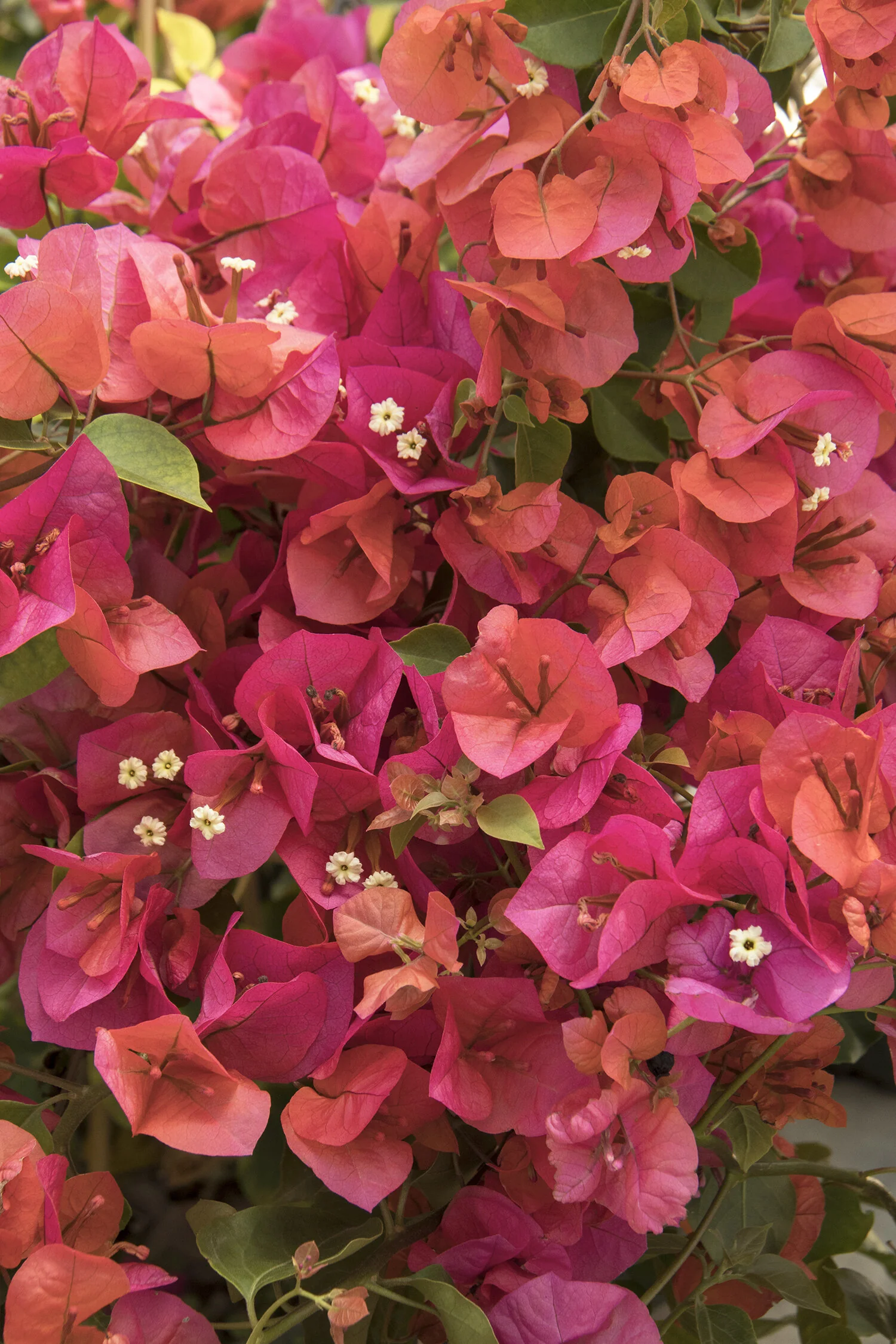
Camarillo Fiesta® Bougainvillea
$46.00 Original price was: $46.00.$13.80Current price is: $13.80.
1000 in stock
SKU: V8g4bnVZIf
Category: Vine - Requires Support
LIGHT: Full sun
WATER: Water deeply when soil is dry.
SIZE: Vigorous stems quickly climb 20 to 30 ft. with support.
| Description | A quick, splendid cover with an interesting mix of showy, flower-like bracts that range from hot pink to gold. Creates a beautiful display on an arbor or trellis, or spilling over a fence. Evergreen in frost-free regions; can be used in colder climates as a summer annual for patio containers and hanging baskets. |
|---|---|
| Bloom Time | Summer; longer in frost-free areas. |
| Deciduous/Evergreen | Evergreen |
| Special Features | Easy Care, Waterwise, Attracts Pollinators, Heat Loving, Fast Growing |
| Problems/Solutions | Coastal Exposure, Erosion Control, Tolerates Urban Pollution |
| Growth Rate | Fast |
| Growth Habit | Climbing |
| Flower Attributes | Long Bloom Season, Showy Flowers |
| Landscape Use | Barrier, Espalier, Privacy Screen, Ground Cover |
| Design Ideas | Striking and floriferous in a hanging basket or container placed on a patio or deck. A vigorous-growing vine that quickly covers a wall or sheltered fence. Grow down a steep bank beside steps. |
| Flower Color | Pink |
| Foliage Color | Green |
| Companion Plants | Lantana (Lantana); Cordyline (Cordyline); Clematis (Clematis); Salvia (Salvia); Upright Juniper (Juniperus) |
| Care Instructions | Provide average to lean, fast draining soil. USE CAUTION not to damage roots when planting. Water deeply, regularly in first growing season to establish root system. Reduce frequency, once established; water container plants regularly, when top 3 in. of soil are dry. Provide support such as a trellis or arbor. Apply fertilizer in spring. |
| History | This plant was named for French explorer Louis-Antoine de Bougainville who circumnavigated the globe in the mid 18th century. A stop at the Solomon Islands caused his staff to find the woody lianas which they named for their captain. Twelve other species are scattered throughout the frost free regions of South America. This hybrid’s ancestry is unknown, but virtually all contemporary forms were derived from crosses of three species, B. spectabilis, B. glabraand B. peruviana. |
| Lore | The intense color of these plants, often mistaken for the flowers is actually the bracts which draw pollinators to smaller more insignificant white tubular flowers nestled within. |