
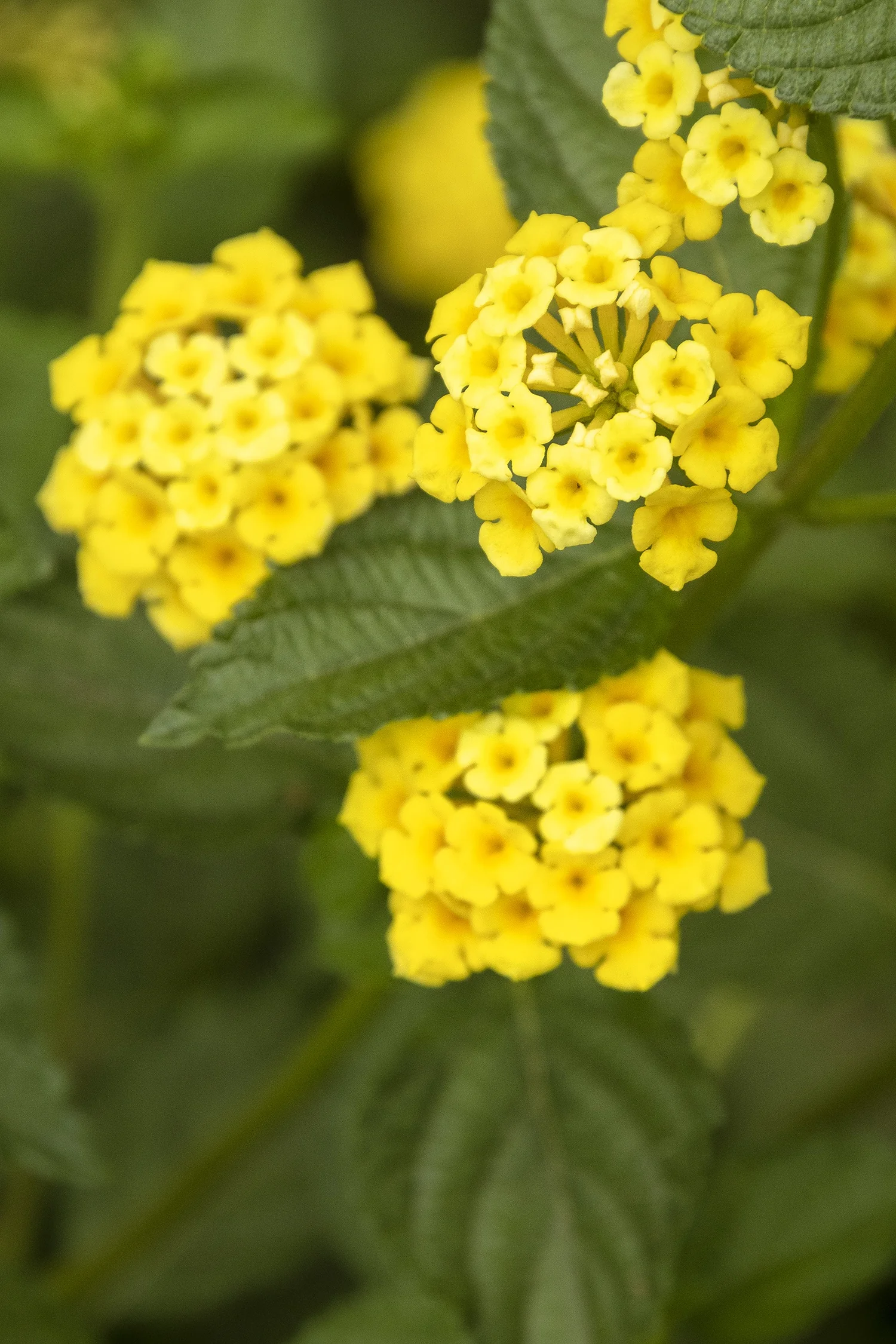
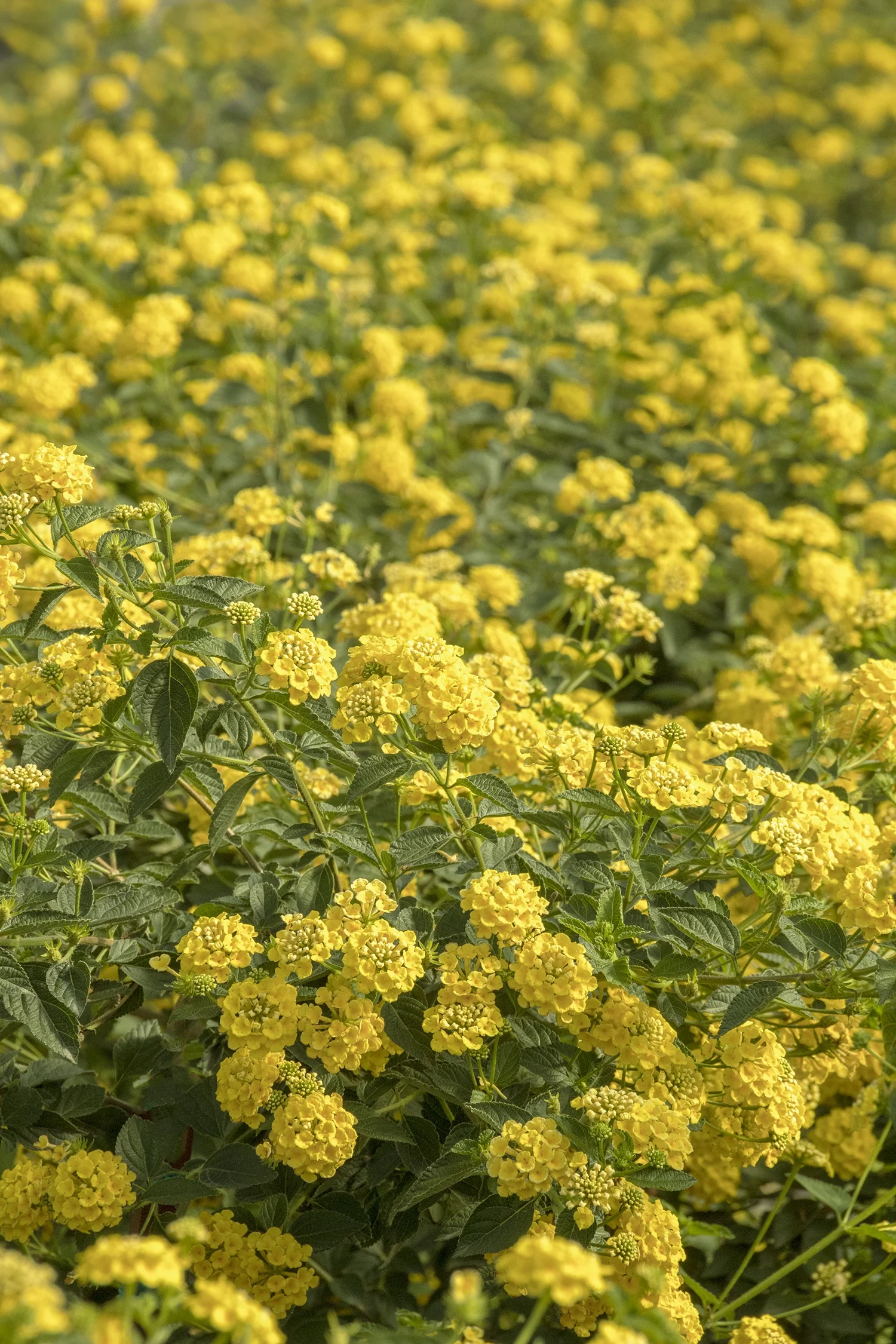
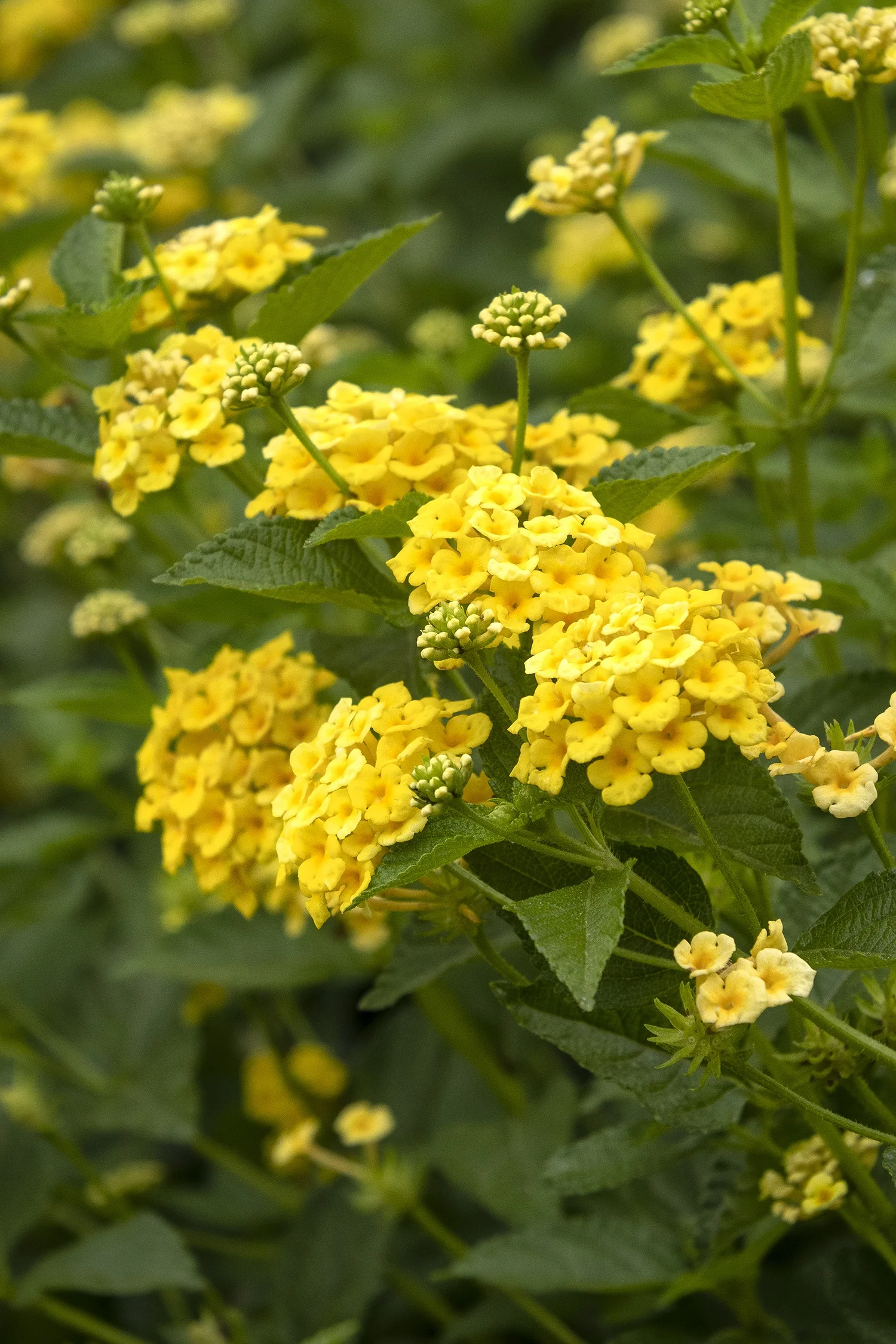
Chapel Hill Yellow Lantana
$103.00 Original price was: $103.00.$30.90Current price is: $30.90.
1000 in stock
SKU: 7wUKUVJRGz
Category: HEDGE PLANTS
LIGHT: Full sun
WATER: Water deeply when soil is dry.
SIZE: Quickly reaches 16 to 18 in. tall, 24 to 36 in. wide, in natural form.
| Description | An exceptionally cold hardy selection with a natural spreading habit to brighten flower beds or mass as a ground cover. Trained topiary forms are perfect for accenting a border or displaying in containers. Bright yellow flowers cycle during warm season. Evergreen in frost-free climates; established clumps may be root hardy to 0 F°. |
|---|---|
| Bloom Time | Spring and summer; longer in frost-free areas |
| Deciduous/Evergreen | Evergreen |
| Special Features | Attracts Hummingbirds, Easy Care, Waterwise, Attracts Pollinators, Heat Loving, Fast Growing, Benefits Birds |
| Problems/Solutions | Coastal Exposure, Deer Resistant, Erosion Control |
| Growth Rate | Fast |
| Growth Habit | Spreading |
| Flower Attributes | Fragrant, Long Bloom Season, Showy Flowers |
| Patent Act | Asexual reproduction of plants protected by the Plant Patent Act is prohibited during the life of the patent. |
| Landscape Use | Border, Container, Ground Cover, Suitable for Topiary, Hillside |
| Design Ideas | Chapel Hill Lantana will brighten up any sunny area of your garden. Plant atop walls or in containers and allow it to cascade over the edge. Great for a mixed tropical border of vivid colored plants. Can be used as a groundcover or as an accent plant in hanging baskets. |
| Flower Color | Yellow |
| Foliage Color | Dark Green |
| Companion Plants | Canna (Canna); Mandevilla (Mandevilla); Plumbago (Plumbago); Hibiscus (Hibiscus); Jatropha (Jatropha) |
| Care Instructions | Thrives in average, well-drained soils. Water deeply, regularly in first growing season to establish root system. Once established in the landscape, reduce frequency; continue to water container plants regularly. Space 2 to 3 ft. apart as groundcover. Fertilize in spring. Remove spent flowers for a tidy appearance. Prune topiary form regularly to maintain size and shape. |
| History | Lantana is native to tropical regions of North and South American and Africa. Its berries are edible when ripe, but toxic while still green. The leaves are also toxic to animals and humans if ingested. A beautiful butterfly and hummingbird attracting plant. Chapel Hill Lantana is derived from a cross between Miss Huff and New Gold. |