
Darkstar® Purple Leaf Sand Cherry
$194.00 Original price was: $194.00.$58.20Current price is: $58.20.
1000 in stock
SKU: lG4DtlpuOD
Category: GIFT IDEAS
LIGHT: Full sun, Partial sun
WATER: Water when top 2 inches of soil is dry.
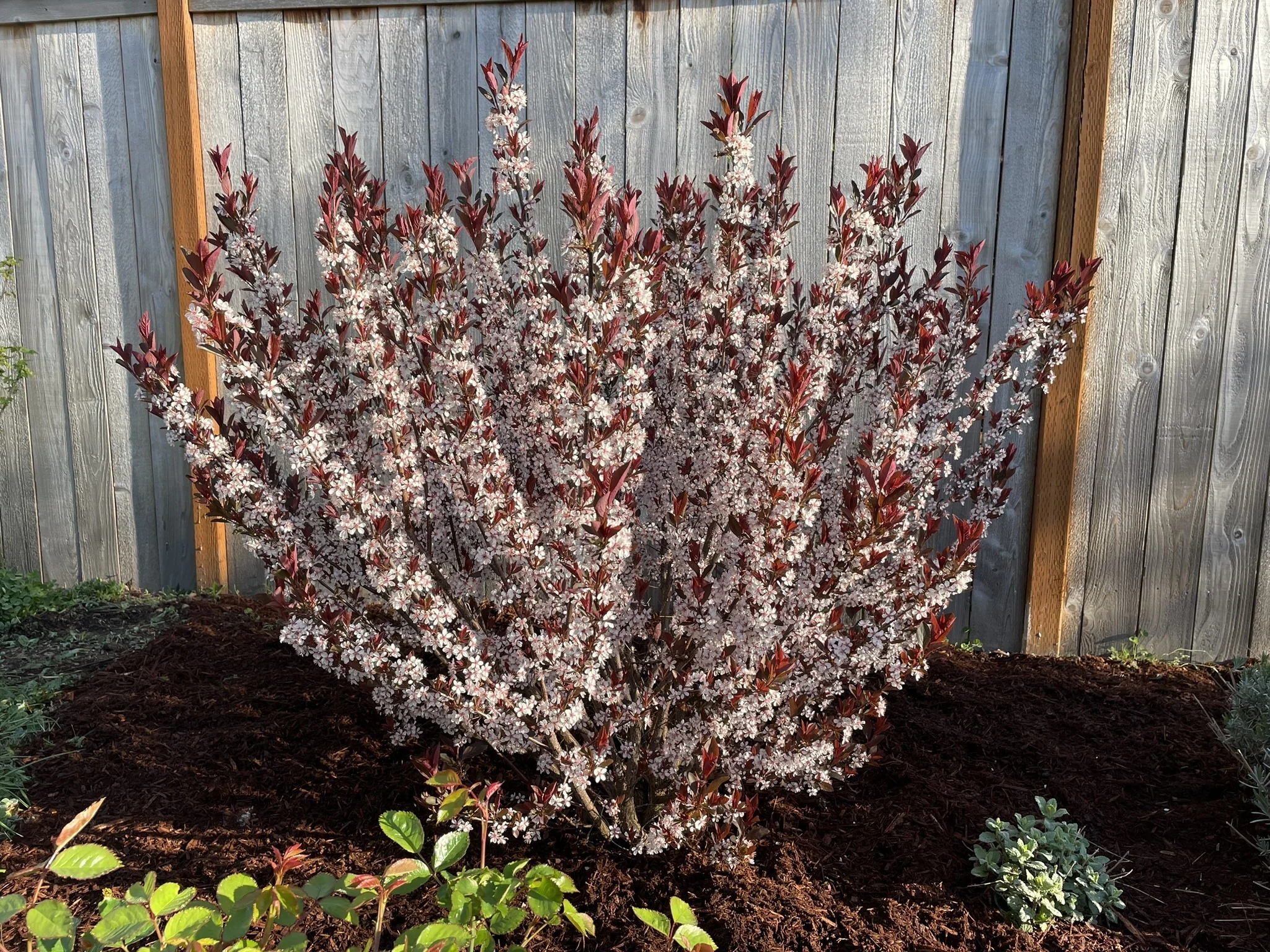
SIZE: Moderate growing; reaches 5 ft. tall, 4 ft. wide.
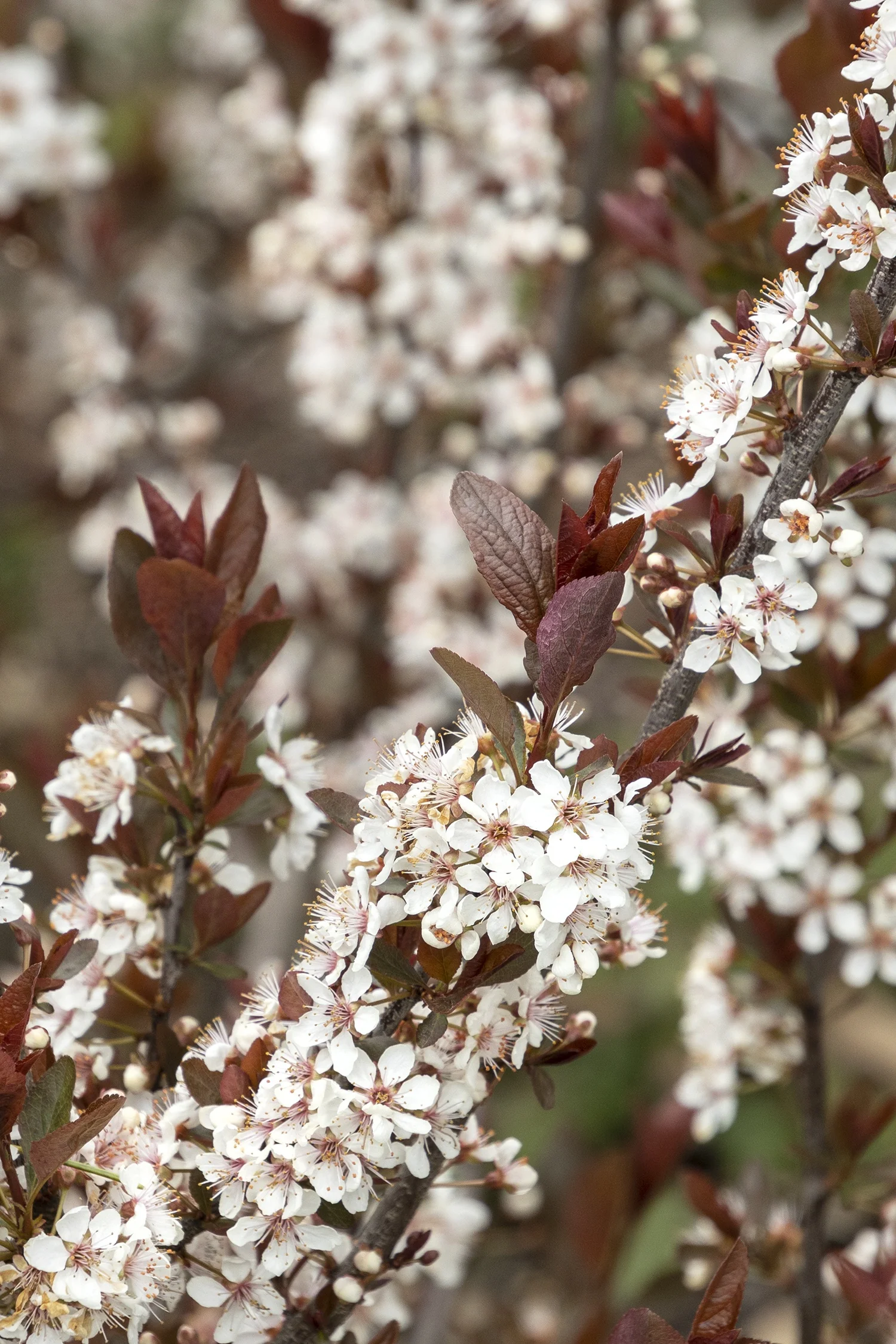
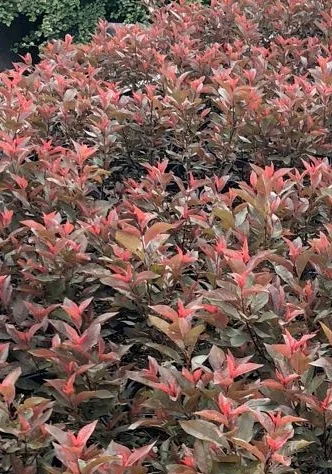
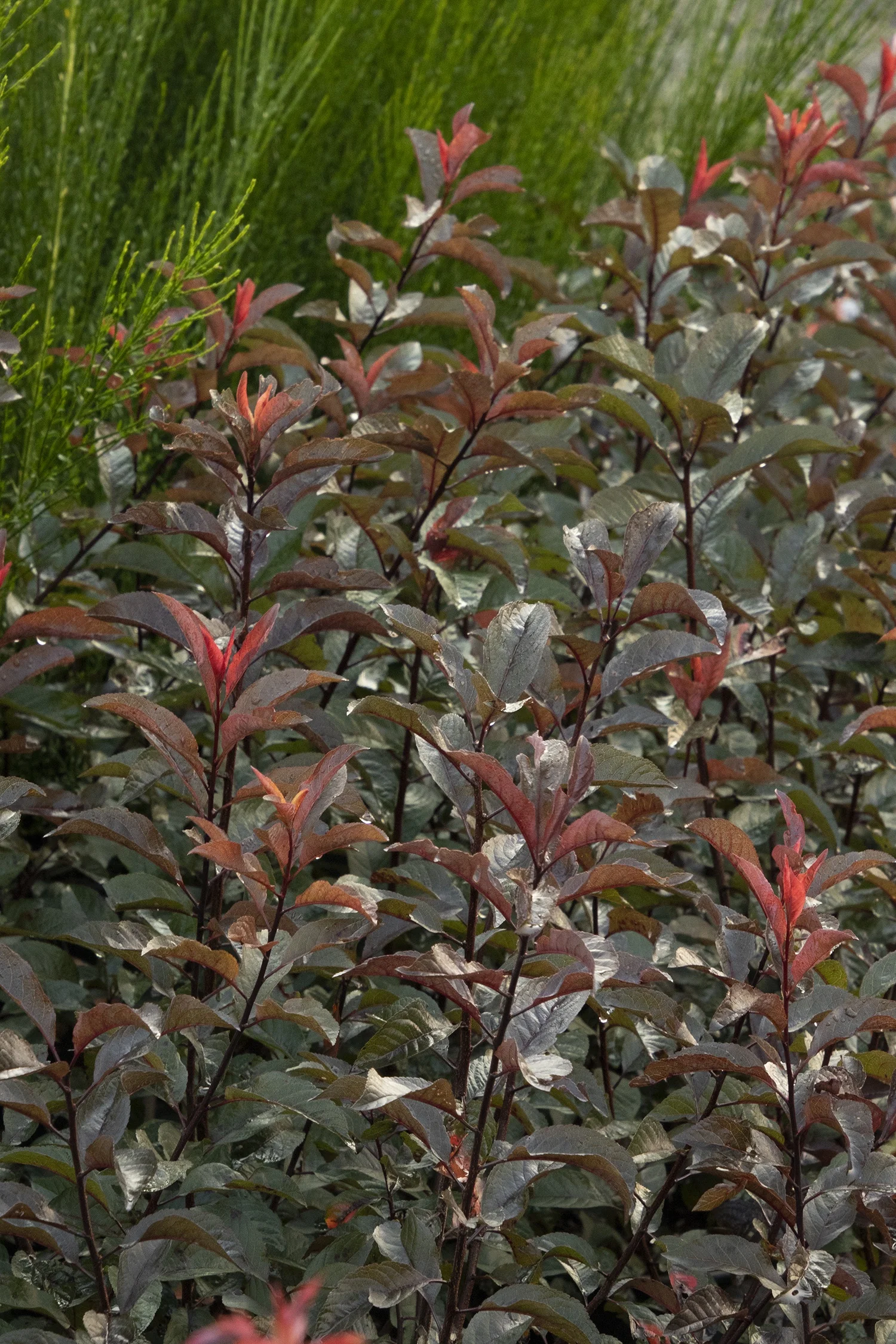
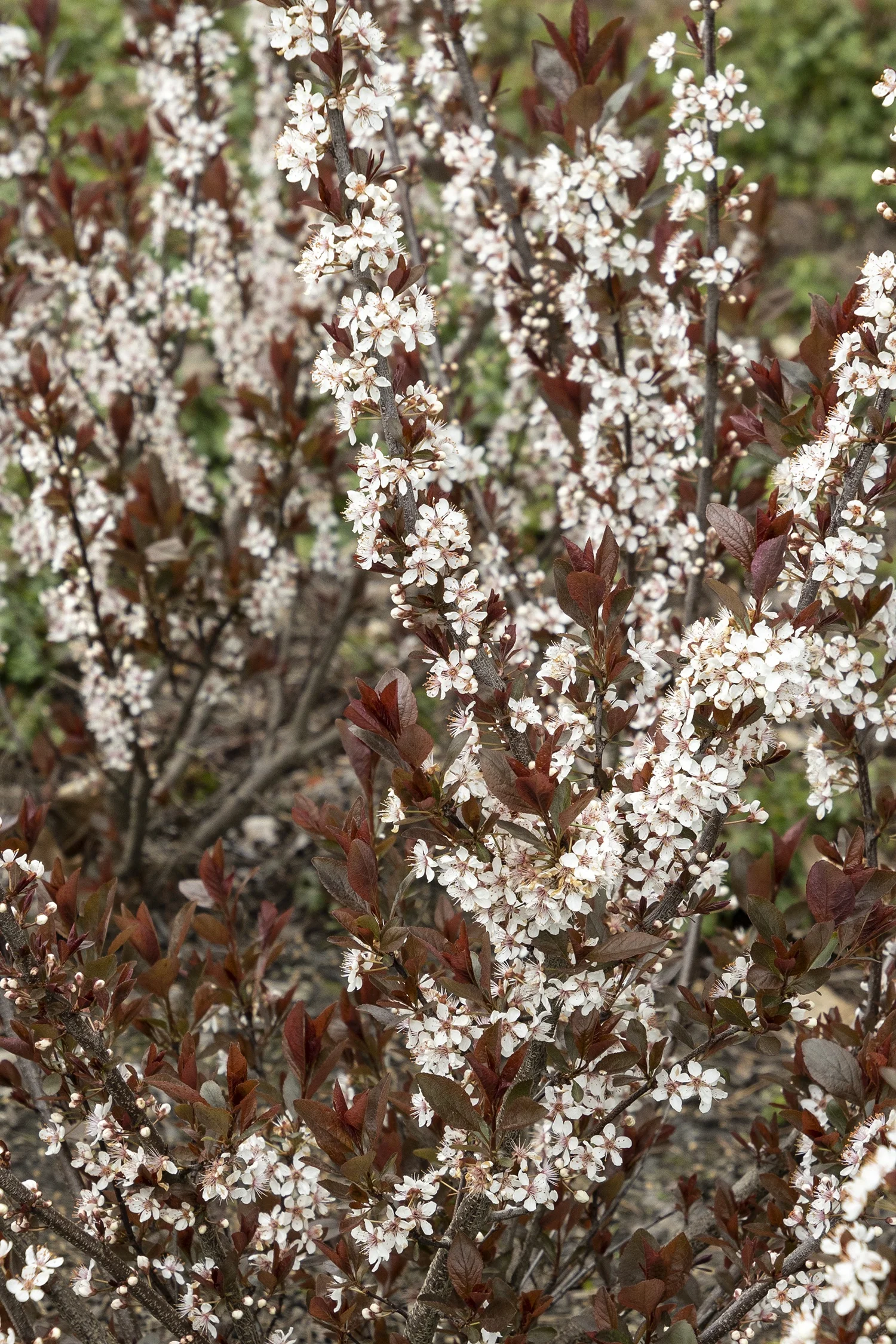
| Description | This truly compact, improved sand cherry has a great upright and spreading habit, with dense branching from the ground up, and very clean, red-purple to maroon-colored foliage that does not fade during the summer. White-pink single flowers appear in spring before the foliage emerges. Great for spring color in a shrub border. A Monrovia Exclusive. Deciduous. |
|---|---|
| Bloom Time | Spring |
| Deciduous/Evergreen | Deciduous |
| Special Features | Dramatic Foliage Color, Easy Care, Showy Fruit, Multi-Season Interest, Attracts Pollinators, Compact Form, Benefits Birds |
| Problems/Solutions | Coastal Exposure, Tolerates Urban Pollution |
| Growth Rate | Moderate |
| Flower Attributes | Showy Flowers |
| Patent Act | Asexual reproduction of plants protected by the Plant Patent Act is prohibited during the life of the patent. |
| Landscape Use | Hedge, Small Spaces |
| Flower Color | Pink |
| Foliage Color | Purple |
| Companion Plants | Blue Spruce (Picea pungens); Weigela (Weigela); Coneflower (Echinacea); Blue Fescue (Festuca); Spirea (Spiraea); Shasta Daisy (Chrysanthemum) |
| Care Instructions | Easy to grow in a wide range of soil types. Water deeply, regularly during the first growing season to establish an extensive root system; once established, reduce frequency. Feed with a general purpose fertilizer before new growth begins in spring. For a tidy appearance, prune annually to shape. |
| History | Bred by horticulture and plant breeding professor, Dr. Mark Brand of the University of Connecticut’s College of Agrriculture, Health and Natural Resaurces. Patented by UConn, and registered with USPTO as tradename Darkstar® by Monrovia. Darkstar is the result of a cross-pollination of P. pumilla var. depressa x P. pumila var. susquehanae (female seed parent) and P. cerasifera var. atropurpurea (male pollen parent). The selected cultivar demonstrated a more compact stature with dense branching that better fits into many of today’s landscapes. |