
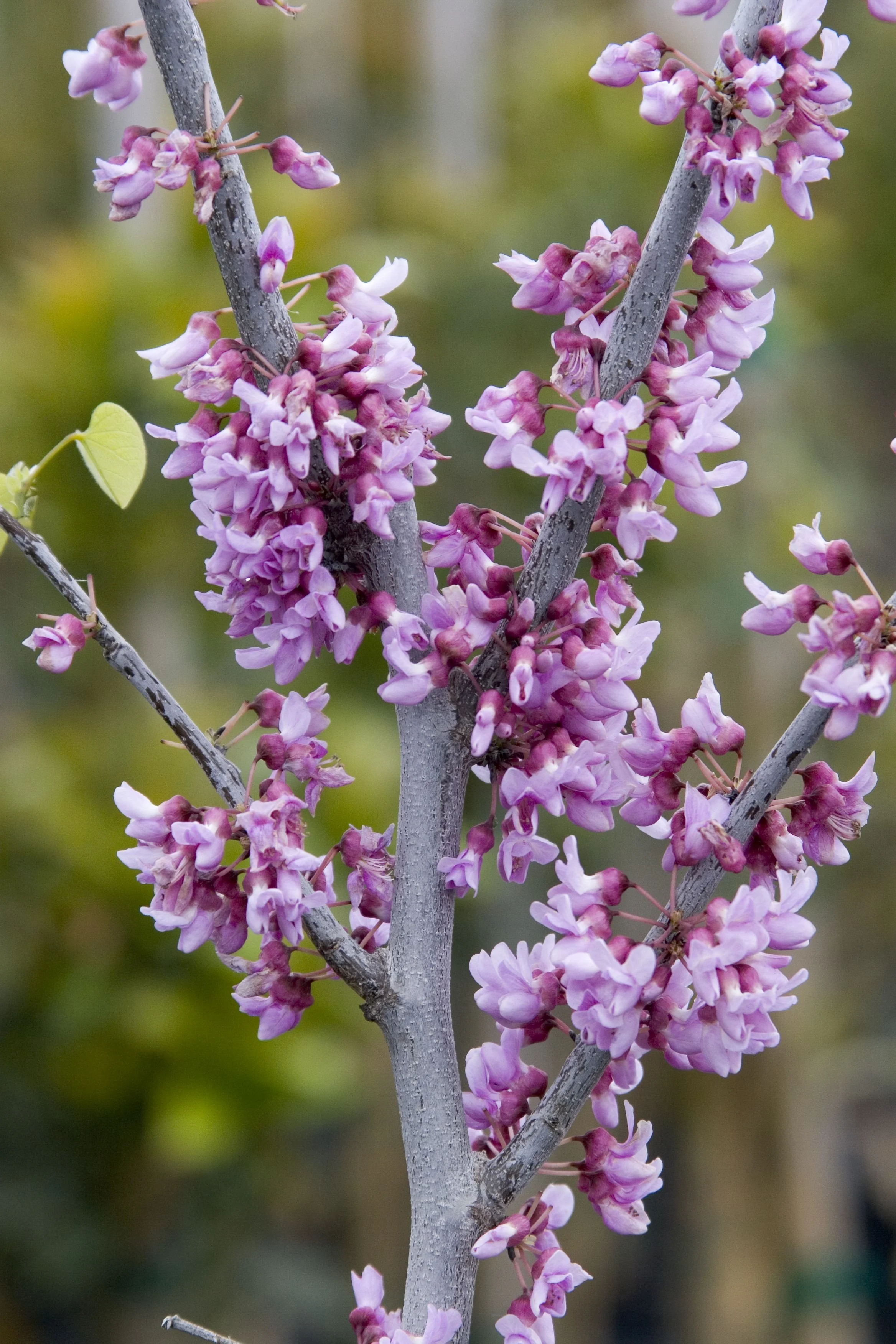
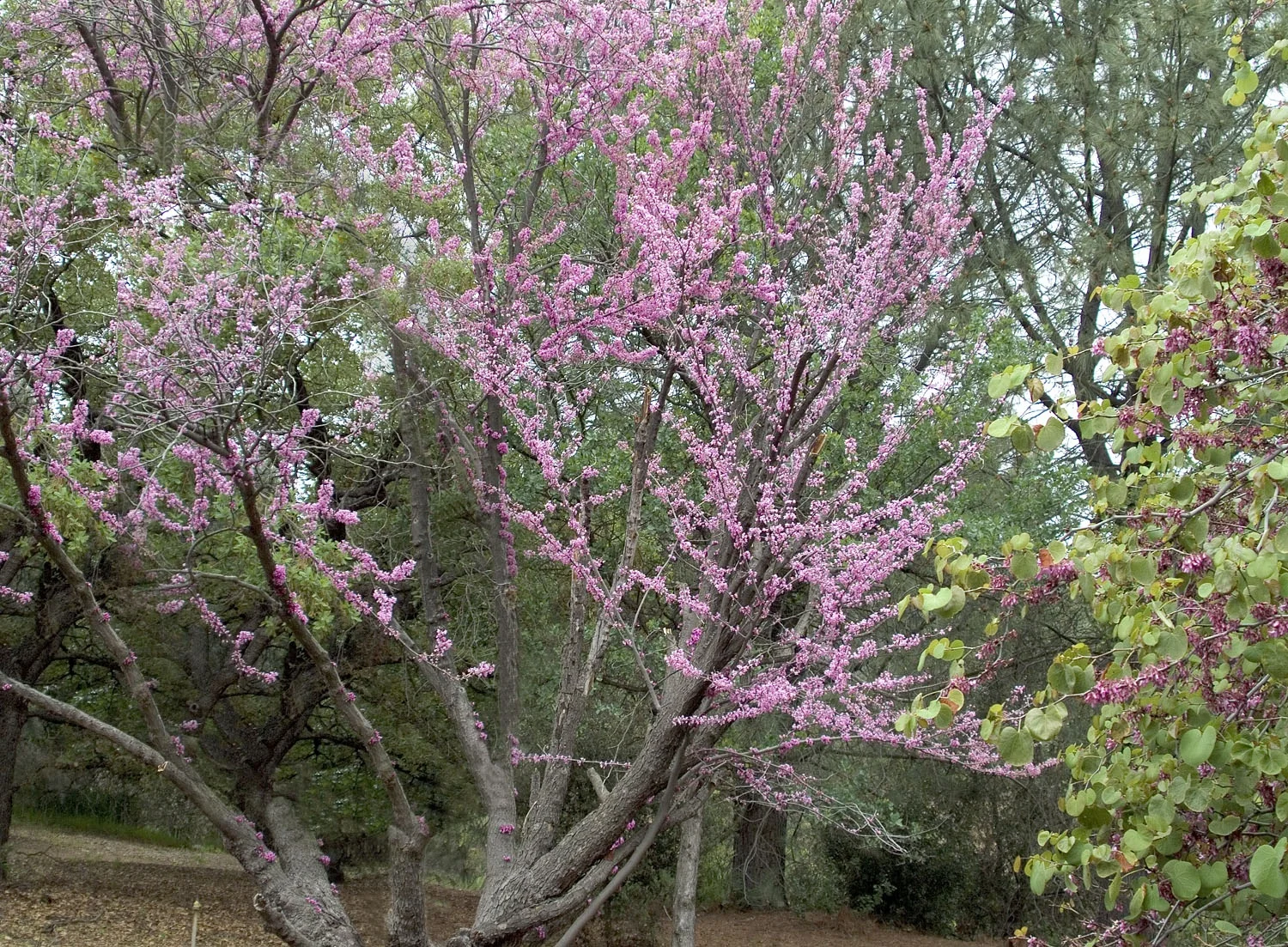
Eastern Redbud
$38.00 Original price was: $38.00.$11.40Current price is: $11.40.
1000 in stock
SKU: tVf2301K4h
Category: BESTSELLERS
LIGHT: Full sun
WATER: Water when top 3 inches of soil is dry.
SIZE: Moderate growing; reaches 30 ft. tall, 25 to 35 ft. wide.
| Description | A beautiful garden tree valued for its profusion of rosy pink flowers that cloak the bare branches to bridge the gap between winter and spring! Heart-shaped foliage emerges as the blooms fade and turns yellow in autumn before dropping. A wonderful landscape specimen with a nicely rounded crown. Deciduous. |
|---|---|
| Bloom Time | Early spring |
| Deciduous/Evergreen | Deciduous |
| Special Features | Fall Color, North American Native, Attracts Pollinators, Benefits Birds |
| Growth Rate | Moderate |
| Growth Habit | Rounded |
| Flower Attributes | Showy Flowers |
| Design Ideas | Redbuds offer four seasons of change in the front yard foundation planting for an eye catching display. A native of the eastern U.S. makes it a perfect candidate for wild gardens, wildlife gardens and all native landscapes. Add to beds and borders or to create long range focal point. |
| Flower Color | Pink |
| Foliage Color | Green |
| Foliage Fall Color | Yellow |
| Companion Plants | Witch Hazel (Hamamelis); Snowberry (Symphoricarpos); Dogwood (Cornus); Oak Leaf Hydrangea (Hydrangea); Oregon Grape Holly (Mahonia) |
| Care Instructions | Prefers deep, slightly alkaline, moist, well-drained sandy loams. Benefits from light shade in hotter regions. Water deeply and regularly during the first growing season to establish an extensive root system. Apply a general purpose fertilizer before new growth emerges in late winter to early spring. |
| History | This tree is native to the eastern United States and Canada. It is a member of the pea family, bearing the signature flower shape. It was introduced in 1730 and assigned the genus of the Middle Eastern redbud, C. siliquastrum. |
| Lore | Redbud is used by Native Americans in basket making because its inner bark bears a naturally red color preferred for creating contrasting patterns in the weave or coils. |