
Fire Spinner® Ice Plant
$34.00 Original price was: $34.00.$10.20Current price is: $10.20.
1000 in stock
SKU: uleYK0PGUd
Category: HEDGE PLANTS
LIGHT: Full sun, Partial sun
WATER: Once established, water if very dry.
SIZE: Dense foliage mat, 2 in. tall, 12 to 18 in. wide; 4 in. tall, in bloom.
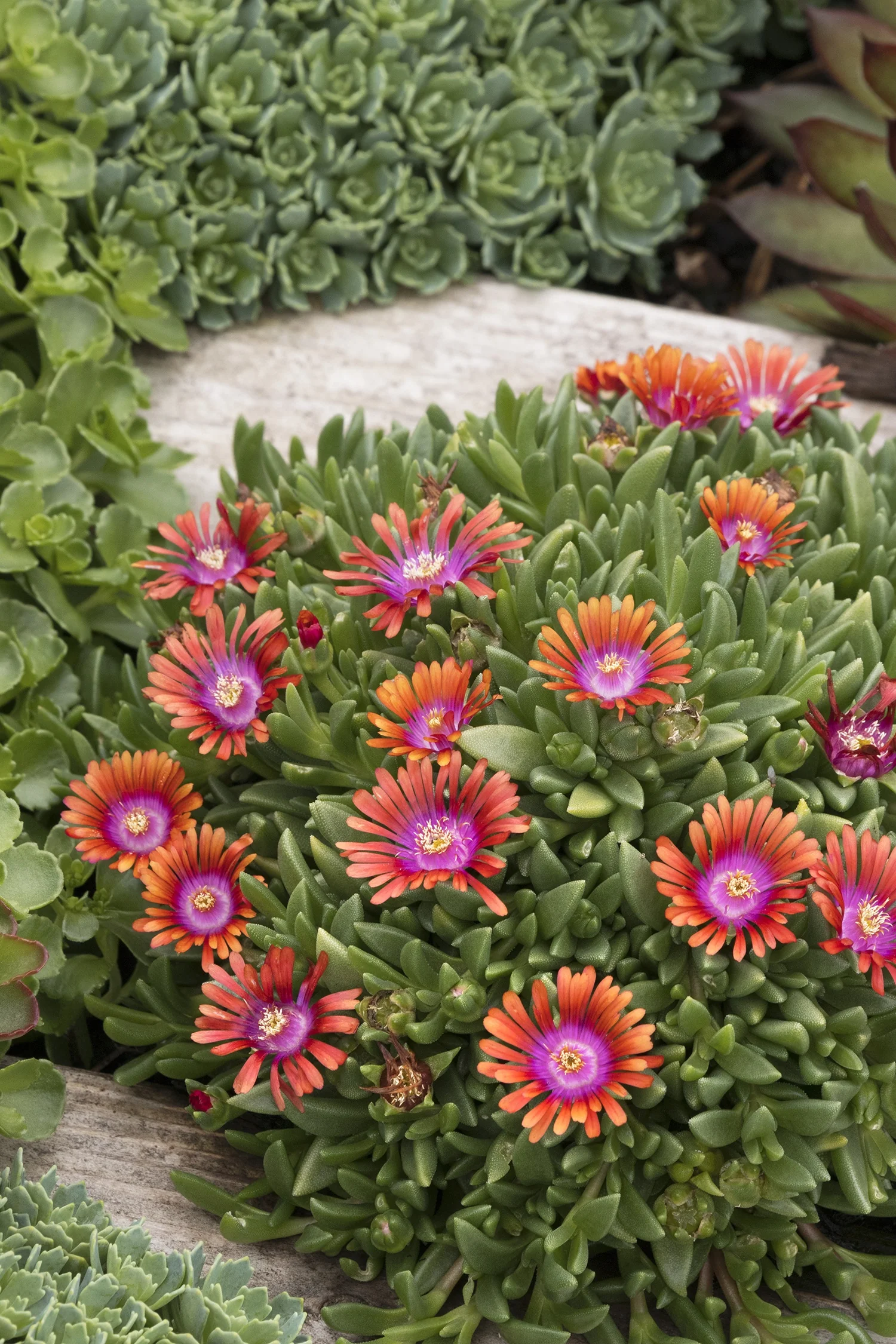
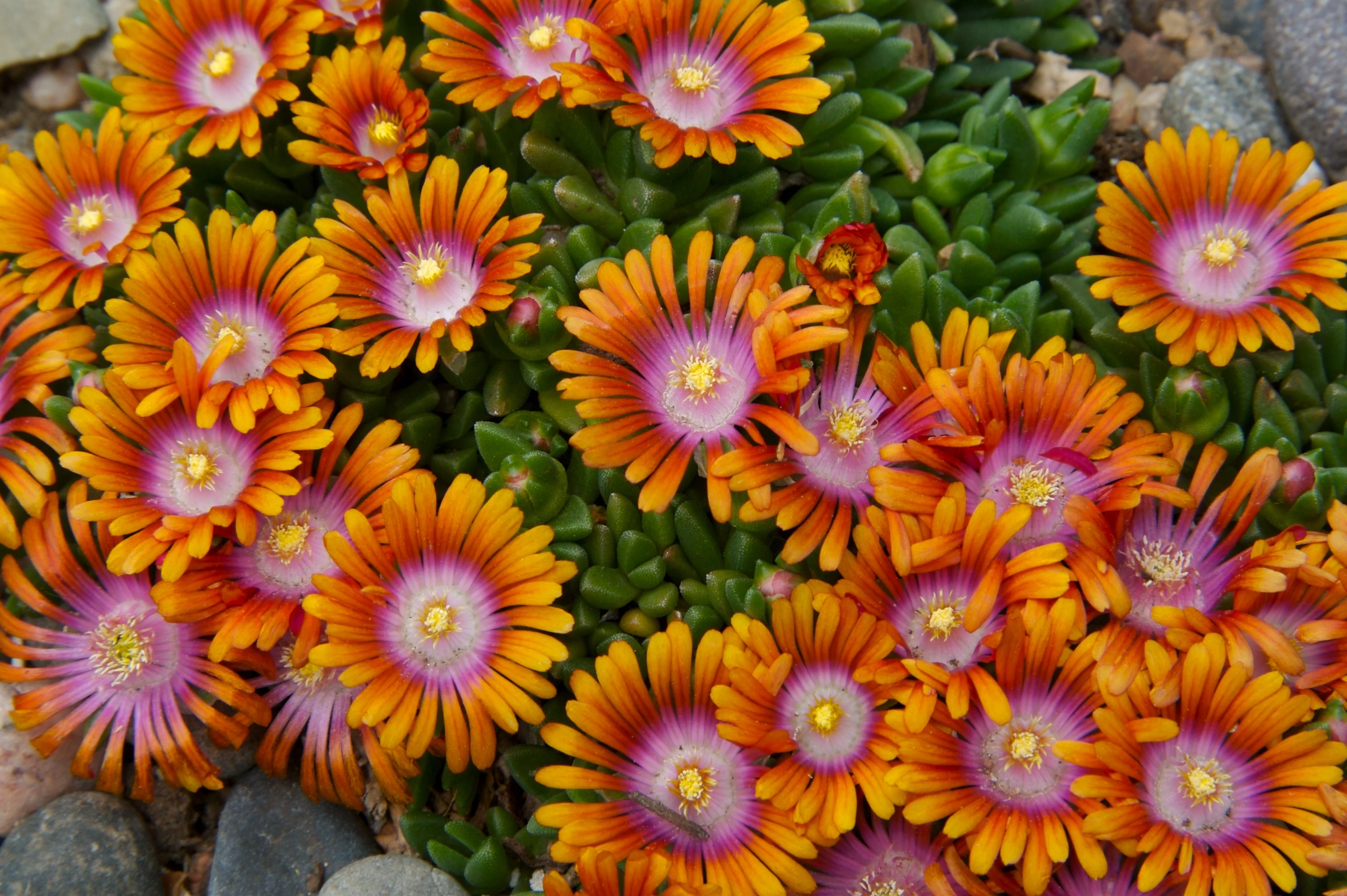
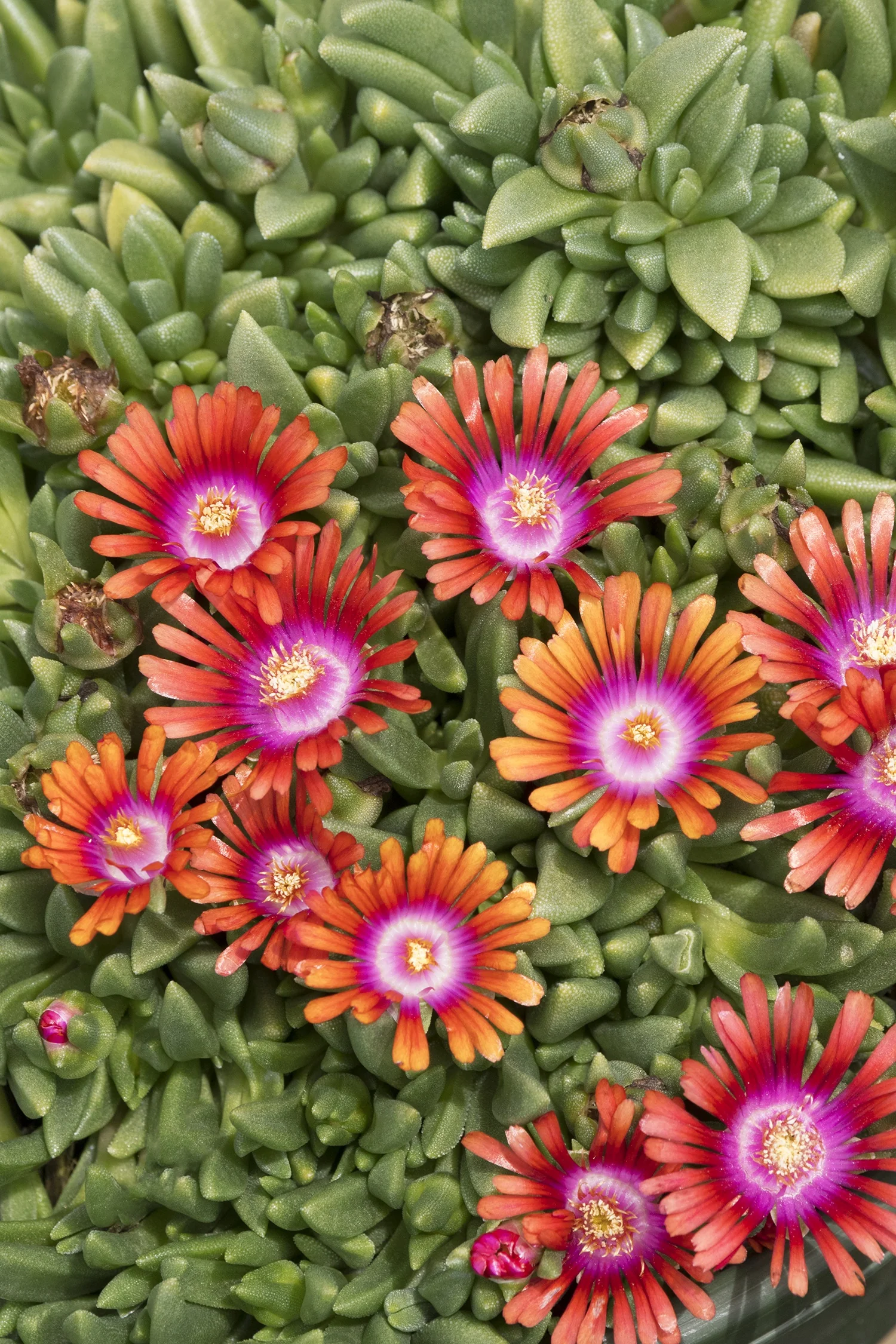
| Description | Stunning tri-colored flowers cover a tight, fast spreading mat of dense, succulent, apple green foliage that maintains its sheen through winter. Prolific blooms in spring, reblooming throughout summer. A hardy, heat-loving, non-invasive groundcover perfect for waterwise landscapes. A Plant Select® winner. |
|---|---|
| Bloom Time | Mid-spring through summer |
| Deciduous/Evergreen | Evergreen |
| Special Features | Attracts Butterflies, Attracts Hummingbirds, Easy Care, Waterwise, Attracts Pollinators, Heat Loving, Fast Growing |
| Problems/Solutions | Rabbit Resistant |
| Growth Rate | Moderate |
| Flower Attributes | Showy Flowers |
| Landscape Use | Border, Container, Ground Cover, Edging |
| Flower Color | Multicolored |
| Foliage Color | Green |
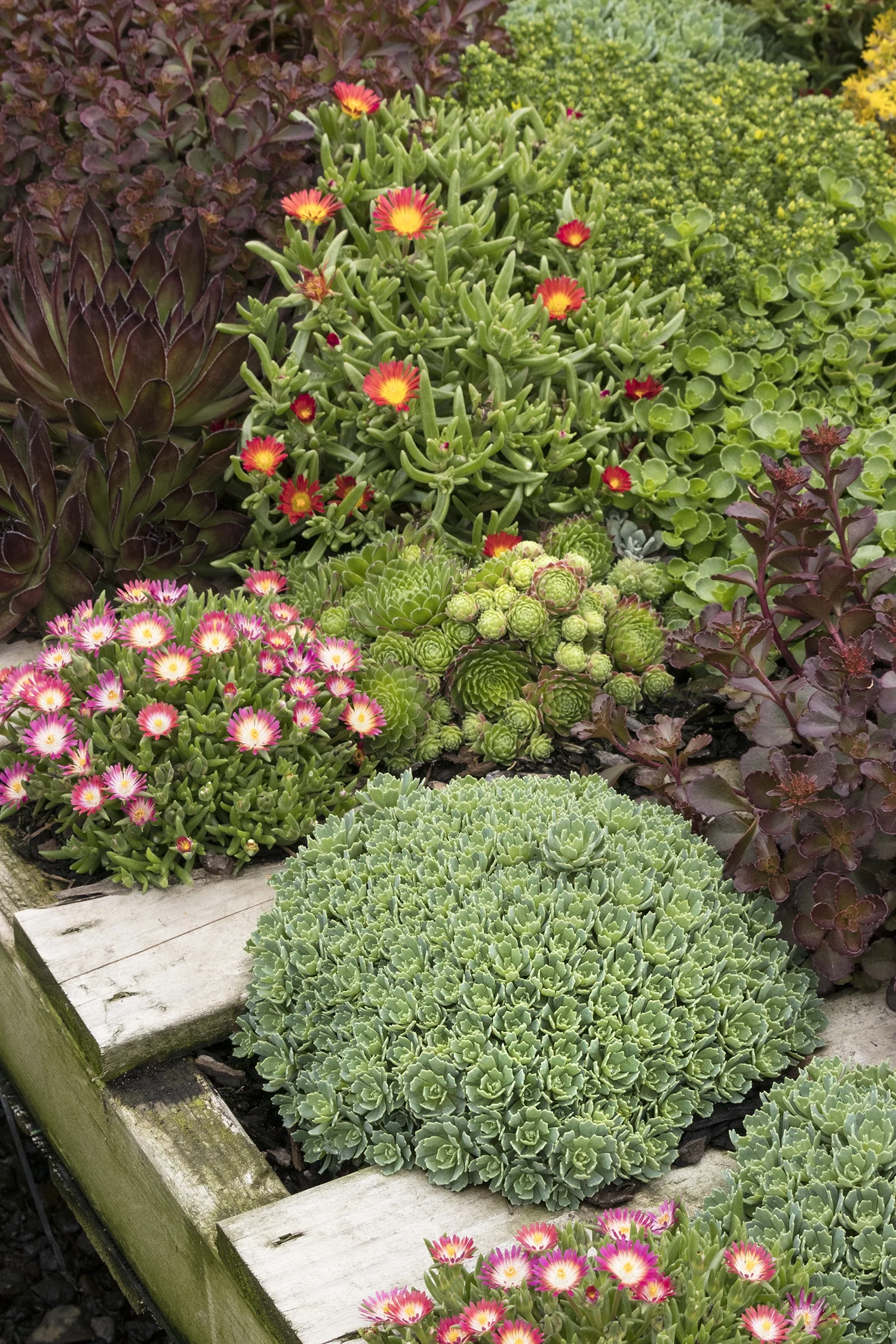
| Companion Plants | Phlox (Phlox); Hummingbird Mint (Agastache); Blue Fescue (Festuca); Sedum (Sedum); Basket of Gold (Aurinia); Hens and Chicks (Sempervivum) |
| Care Instructions | Thrives in average to very lean, well-drained soils. Best in full sun. Space 18 to 24 in. apart as groundcover; closer for faster fill. Water regularly during the first growing season to establish an extensive root system; take care not to overwater. Reduce frequency, once established. Fertilize sparingly. |
| History | Exhibiting a dramatic color breakthrough for the hardy ice plants, this unique cultivar traces its ancestry to the Eastern Cape of South Africa. This plant Select® winner was selected for outstanding garden performance throughout the high plains and inter-mountain areas of the Rocky Mountain region. |
| Lore | Plant Select® is a collaboration of Colorado State University, Denver Botanic Gardens, and the green industry, helping gardeners and horticultural professionals transform the American landscape to a vibrancy inspired by our western regional landscape. Unlike species of iceplants (such as Carpobrutus edulis) which have been identified as invasive in some states, Delosperma cooperi is a beautiful, non-invasive alternative. |