Hardy Fiber Banana
$39.00 Original price was: $39.00.$11.70Current price is: $11.70.
1000 in stock
SKU: FDqKgpf6kn
Category: Perennials
LIGHT: Full sun
WATER: Keep soil moist, but not soggy.
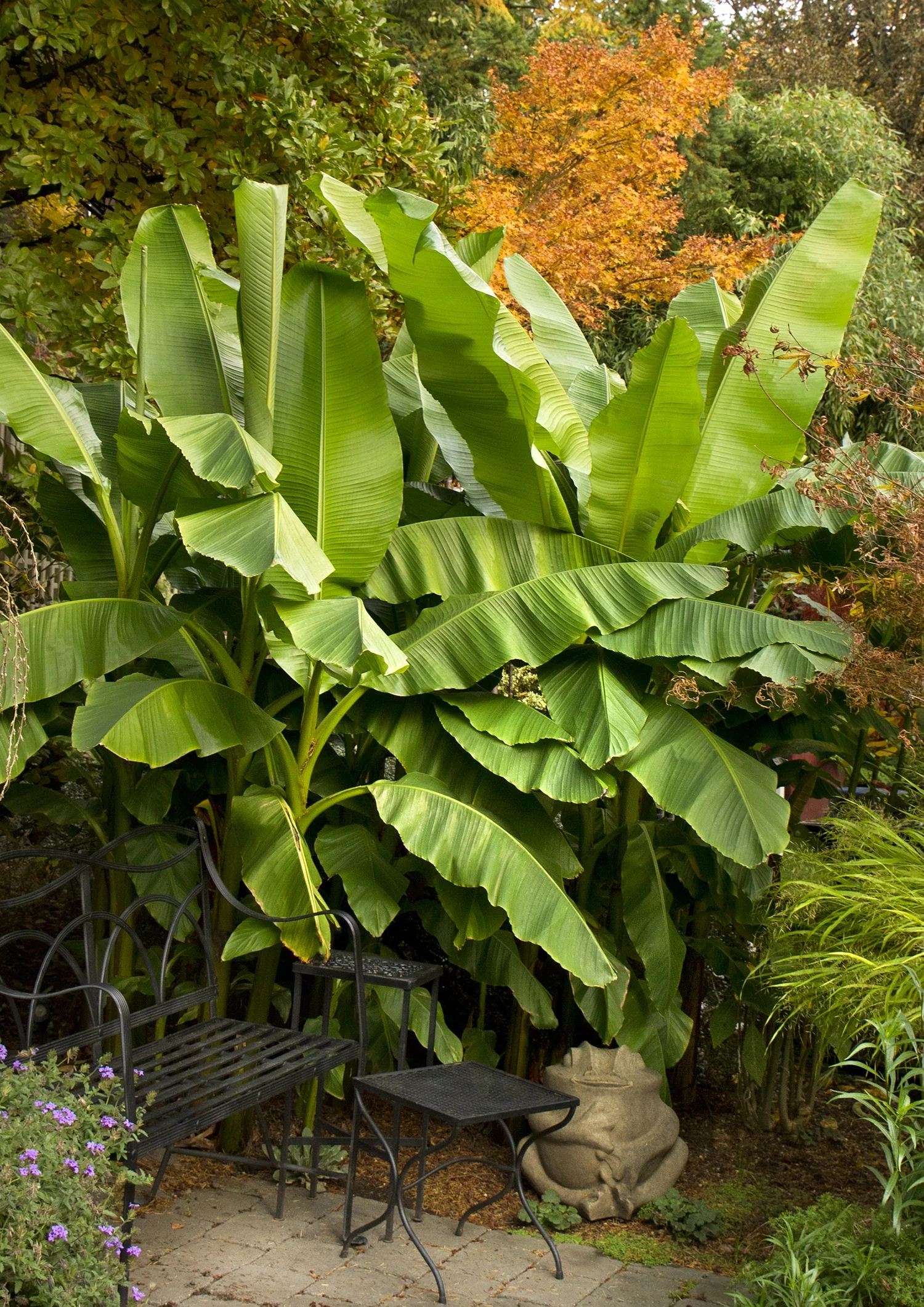
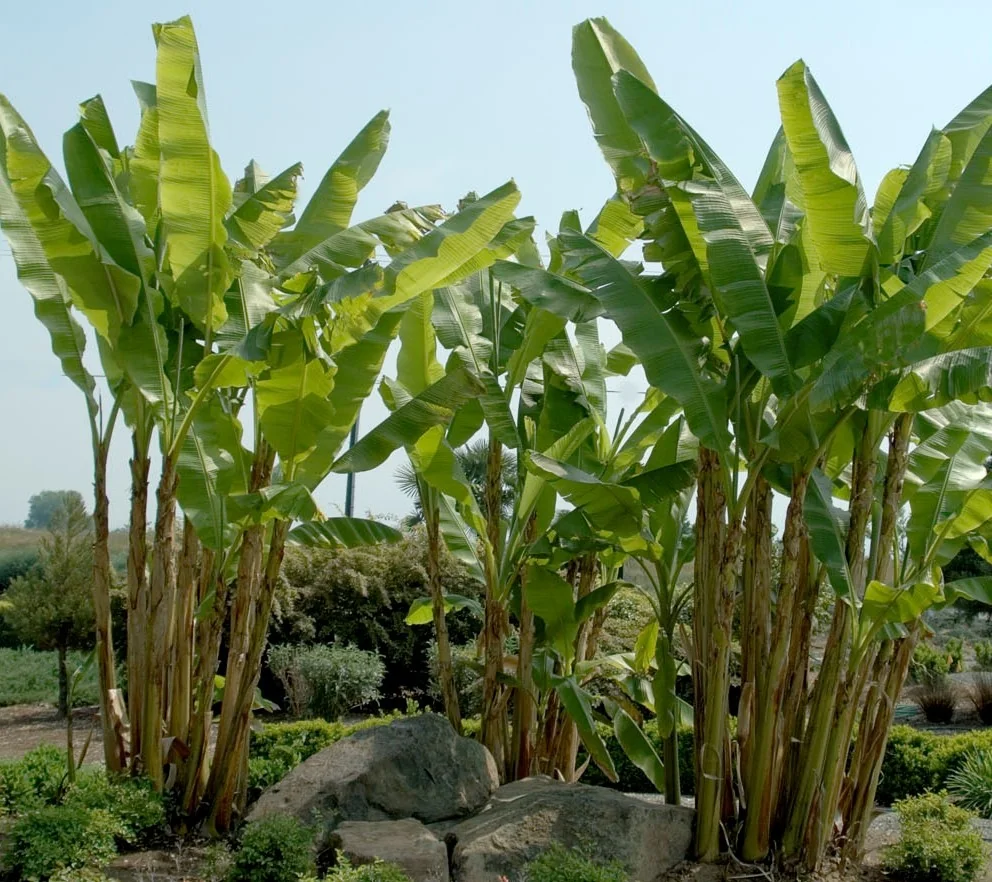
SIZE: Quickly forms foliage clumps 15 ft. tall, 8 to 10 ft. wide.
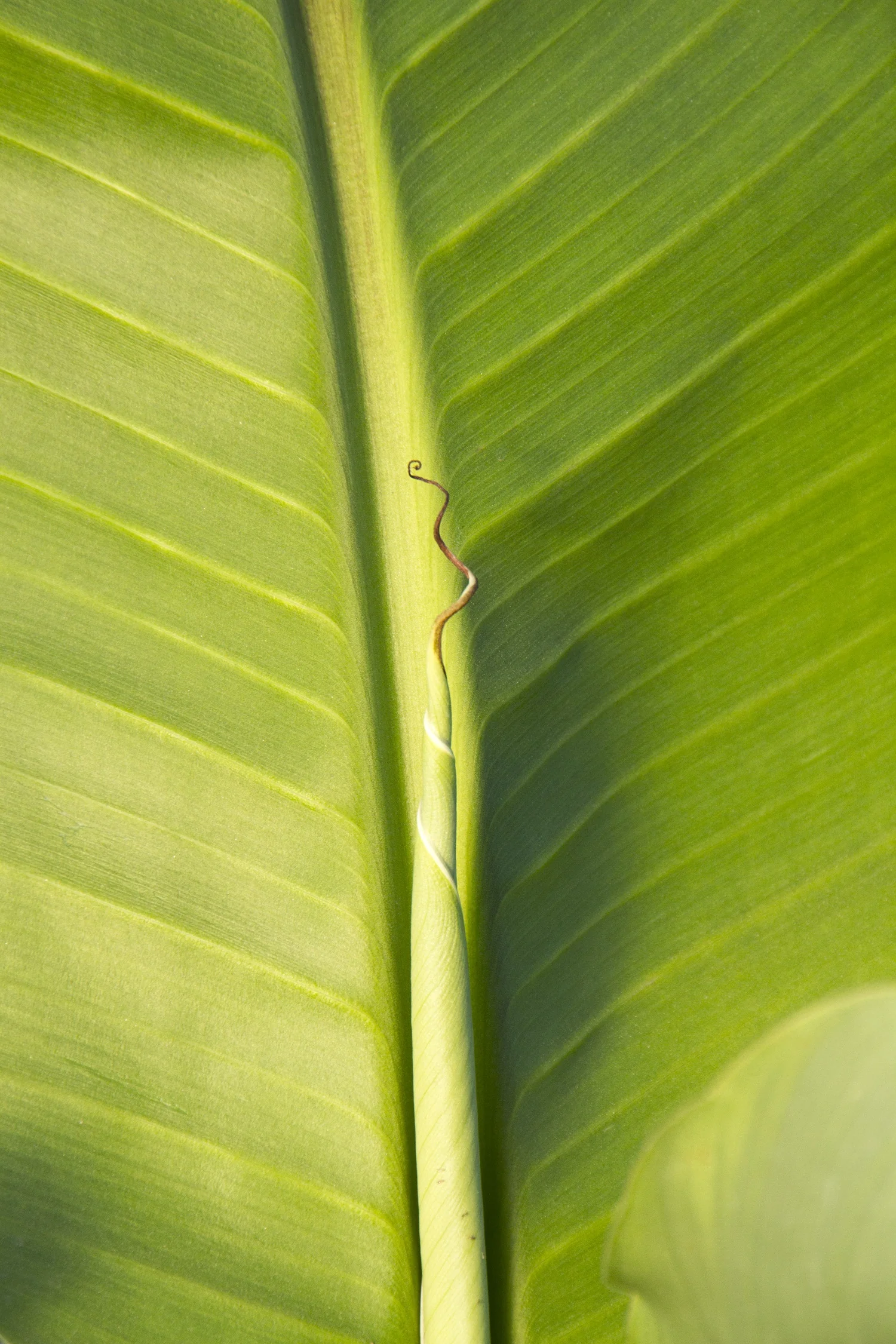
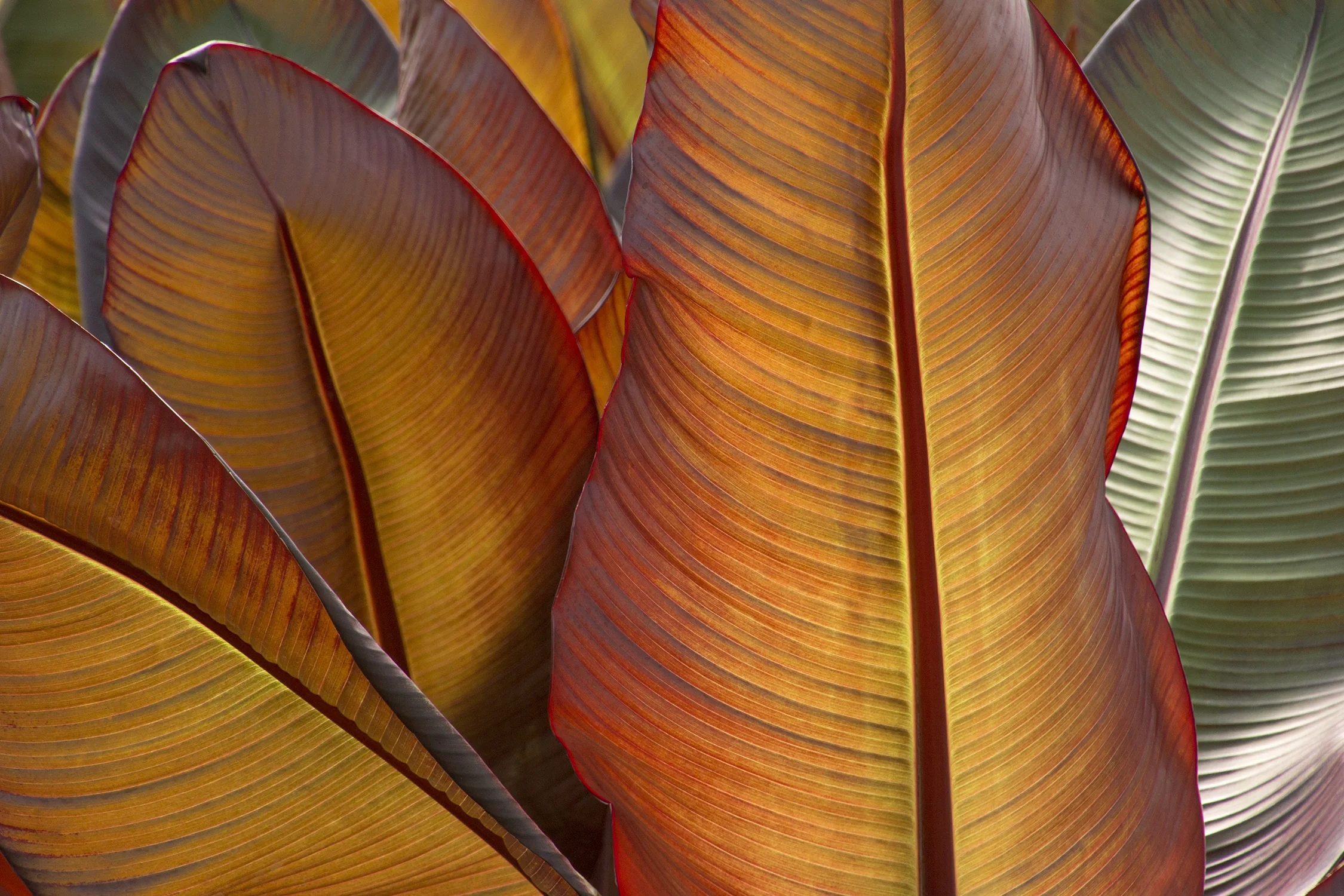
| Description | Considered the most cold hardy banana! Its lush green foliage provides an outstanding tropical effect yet its roots survive much colder temperatures than other bananas. A fast grower, with huge leaves that may reach 2 feet wide and 6 feet long. Produces attractive golden cream flowers and small, somewhat seedy fruit. |
|---|---|
| Bloom Time | Summer |
| Deciduous/Evergreen | Evergreen |
| Special Features | Fast Growing |
| Growth Rate | Fast |
| Growth Habit | Clumping |
| Flower Attributes | Showy Flowers |
| Landscape Use | Border, Container, Poolside |
| Design Ideas | A perfect leafy banana for creating the tropical look in marginal climates. Use as foundation planting or to fill in sideyards to create a more lush appearance. An ideal plant near swimming pools. Plant in courtyard or patio for shade and screening. Suited to large pots for portable interest, with a series of identical pots for exotic effects in city gardens and rooftops with no planting space. |
| Flower Color | Yellow |
| Foliage Color | Green |
| Companion Plants | Japanese Forest Grass (Hakonechola); Trumpet Creeper (Campsis); Hibiscus (Hibiscus); Crape Myrtle (Lagerstroemia); Fringe Flower (Loropetalum) |
| Care Instructions | Prefers humus-rich, evenly moist, well-drained soils. Shelter from strong winds, and from harsh afternoon sun in hot southern regions. Water deeply, regularly in first growing season to establish an extensive root system. Prune to 2 ft. above ground at first frost and apply mulch for winter protection. Remove mulch and fertilize in early spring. |
| History | This hardiest banana plant on earth hails from the Ryukyu Islands of Japan. However, evidence suggests that it may have originated in China and moved to Japan early on. |
| Lore | This is considered the be the most cold hardy banana in the world. |