
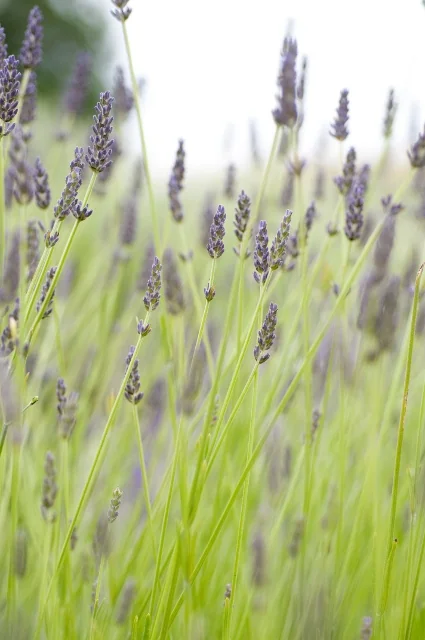
Hidcote Giant Lavender
$75.00 Original price was: $75.00.$22.50Current price is: $22.50.
1000 in stock
SKU: wTWxAz7PI5
Category: PLANTS
LIGHT: Full sun
WATER: Let soil go almost dry between waterings.
SIZE: Moderate growing; reaches 18 to 36 in. tall, 36 to 48 in. wide.
| Description | A highly aromatic shrub with a bushy mound of narrow, gray-green foliage, and long stems of violet-blue flower spikes. A wonderful addition to dry, sunny borders and gardens. Works well as a hedge plant and highly effective in mass plantings. A more heat tolerant hybrid of the popular English lavender. Evergreen. |
|---|---|
| Bloom Time | Summer |
| Deciduous/Evergreen | Evergreen |
| Special Features | Attracts Butterflies, Dramatic Foliage Color, Waterwise, Attracts Pollinators, Heat Loving |
| Problems/Solutions | Deer Resistant, Rabbit Resistant, Drought Tolerant |
| Growth Rate | Moderate |
| Flower Attributes | Flowers for Cutting, Fragrant, Showy Flowers |
| Landscape Use | Border, Container, Hedge, Accent |
| Flower Color | Violet-blue |
| Foliage Color | Gray-green |
| Companion Plants | Black-Eyed Susan (Rudbeckia); Rosemary (Rosmarinus); Rose (Rosa); Coneflower (Echinacea); Shasta Daisy (Chrysanthemum) |
| Care Instructions | Thrives in lean, loose, fast-draining, slightly alkaline soil; avoid heavy, soggy soils. Plant with crowns slightly above soil level. Water regularly in first growing season to establish root system. Once established, reduce frequency; tolerates periodic drought. Remove spent flowers to promote continued bloom. |
| History | Winner of the 2002 RHS Garden Merit Award. |
| Lore | This lavender hybrid has the lovely tall spikes of its English lavender parentage (L. latifolia), with the added advantage of better heat tolerance from its Portuguese lavender parentage (L. latifolia). It is more adaptable to a wider range of soils, and although it thrives in nutrient poor, loose soils of an alkaline nature, it will tolerate acidic soils much better than many other lavenders. |