
Lavender Cotton
$74.00 Original price was: $74.00.$22.20Current price is: $22.20.
1000 in stock
SKU: 0q2zyTVprd
Category: HEDGE PLANTS
LIGHT: Full sun
WATER: Allow soil to dry between waterings.
SIZE: Moderate growing; reaches 1½ ft. tall, 3 ft. wide.
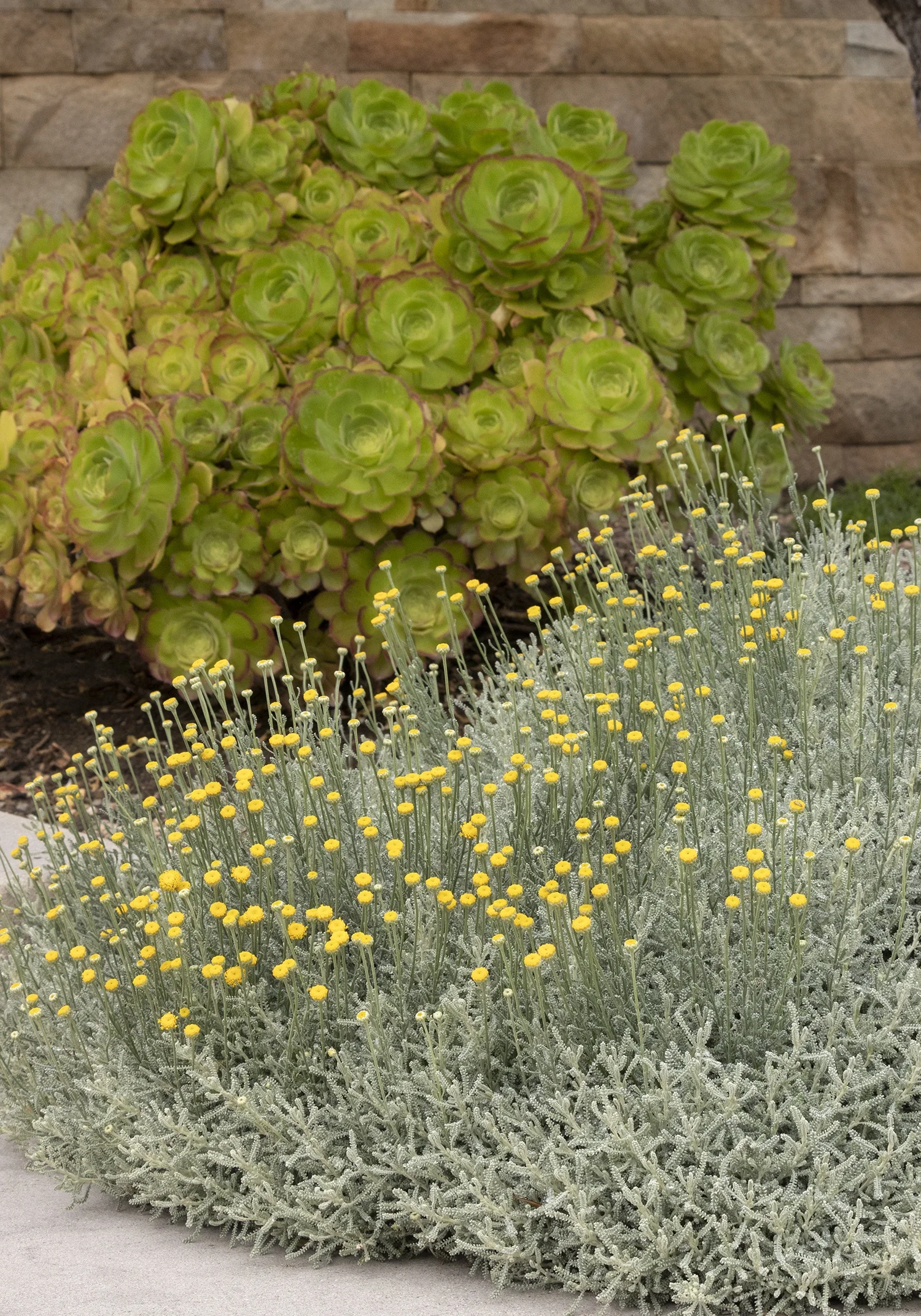
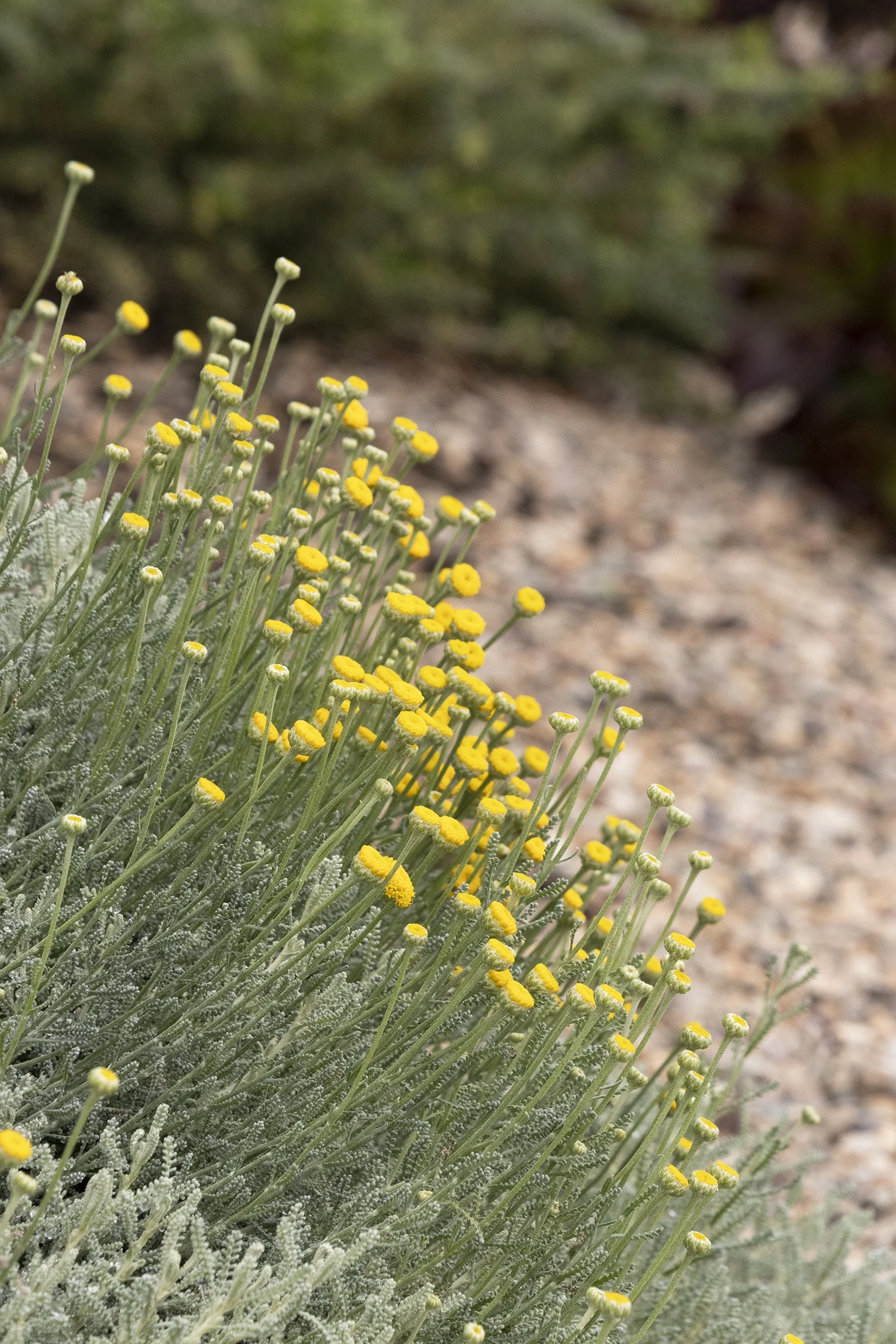
| Description | A dense, mounding, woody shrub with attractive, aromatic, finely textured, silver-gray foliage. Produces small, bright yellow flowers in the summer. Creates a very attractive groundcover or edging for walks and borders. Works well in the foreground of an herb garden. Drought tolerant when established. Evergreen. |
|---|---|
| Bloom Time | Summer |
| Deciduous/Evergreen | Evergreen |
| Special Features | Dramatic Foliage Color, Waterwise |
| Problems/Solutions | Coastal Exposure, Deer Resistant, Rabbit Resistant, Drought Tolerant |
| Growth Rate | Moderate |
| Flower Attributes | Showy Flowers |
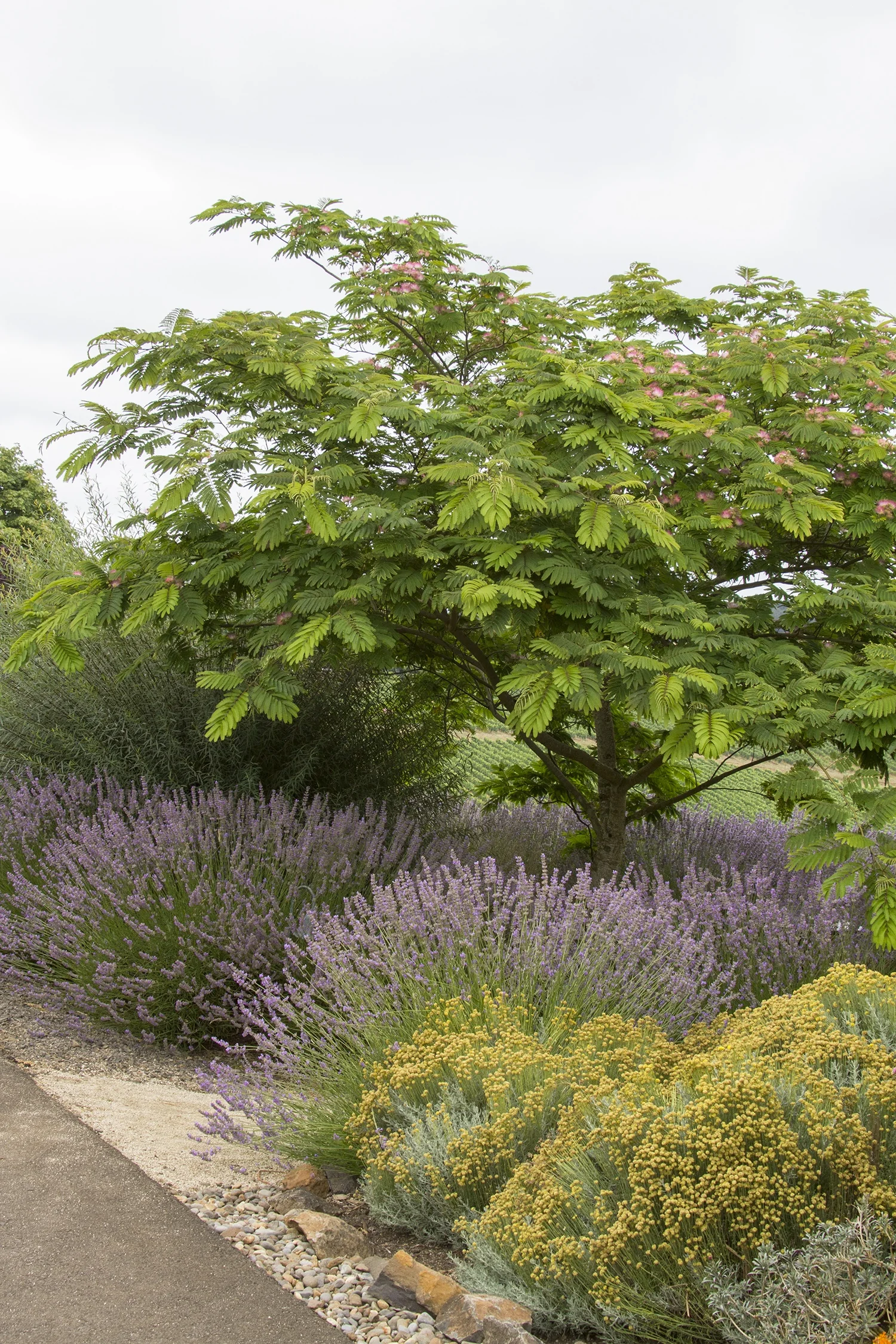
| Landscape Use | Border, Ground Cover, Edging |
| Design Ideas | This makes a lovely edging for the herb garden or English-style border. Combine with the all green species into a checkerboard groundcover. A valuable source of solid gray foliage in Mediterranean style planting. It can be sheared for a more formal look, which will also keep the growth more dense. |
| Flower Color | Yellow |
| Foliage Color | Gray-green |
| Companion Plants | Thrift (Armeria); Dianthus (Dianthus); Catmint (Nepeta); Carpet Bugle (Ajuga); Creeping Phlox (Phlox) |
| Care Instructions | Thrives in average, loose, soils with excellent drainage; avoid overly wet and heavily enriched soils. Water deeply, regularly during first growing season to establish an extensive root system. Once established, reduce frequency; tolerates moderate drought. Remove spent flowers for a tidy appearance. Prune to shape in late winter. |
| History | This drought resistant species is a native of the Mediterranean where aromatic foliage protects it from browsing wildlife. It came into cultivation early on as a natural pesticidal herb but later became popular in Tudor knot garden pattern making. Its name translates to holy flax, even though this relates to no aspect of its use. |
| Lore | In France this plant was known as garde robe, because sprigs were used in closets and trunks to repel moths. |