
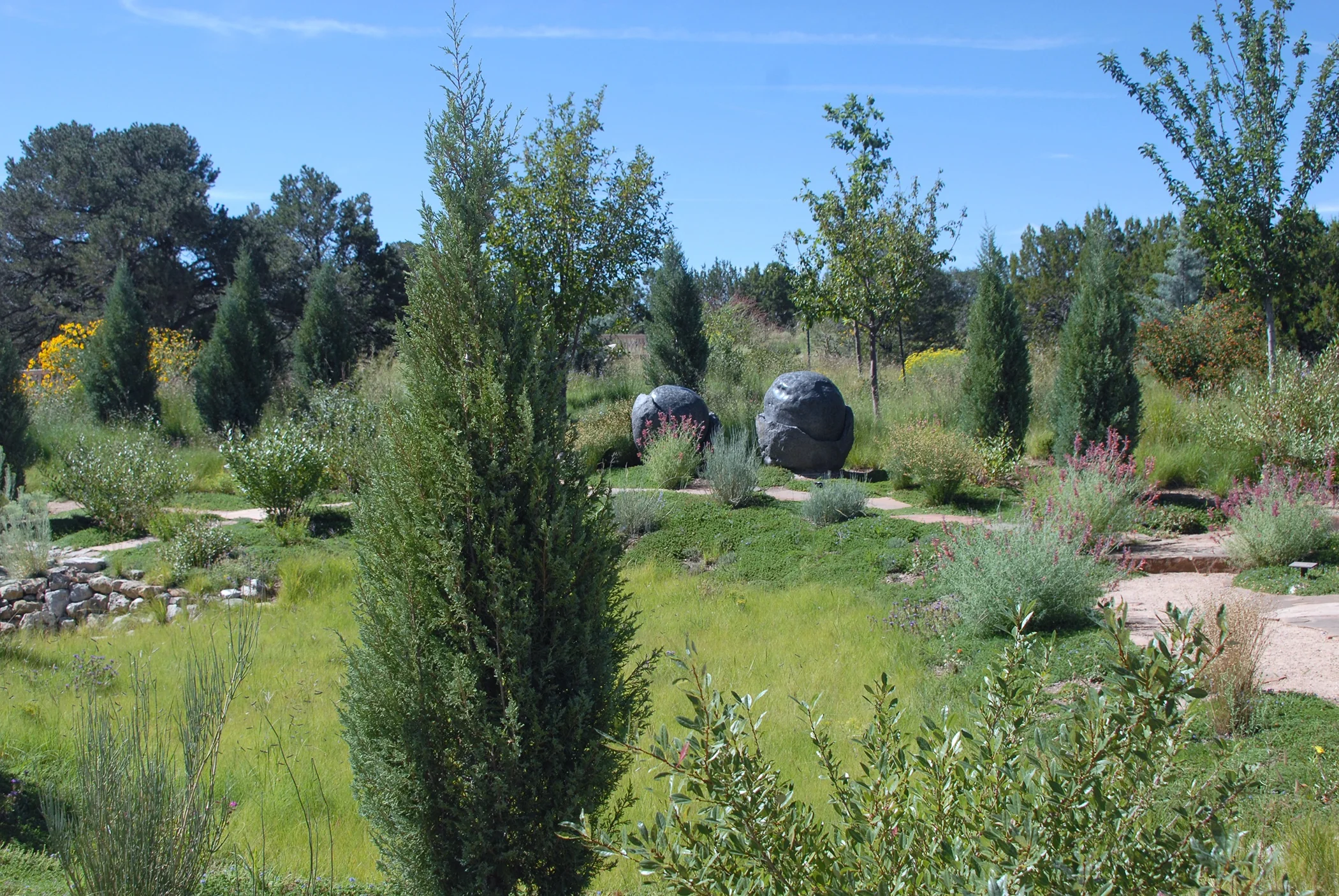
Medora Juniper
$82.00 Original price was: $82.00.$24.60Current price is: $24.60.
1000 in stock
SKU: FkMaV3alEy
Category: Topiary Collection
LIGHT: Full sun
WATER: Water when top 2 inches of soil is dry.
SIZE: Slow growing; reaches 10 ft. tall, 2 to 3 ft. wide.
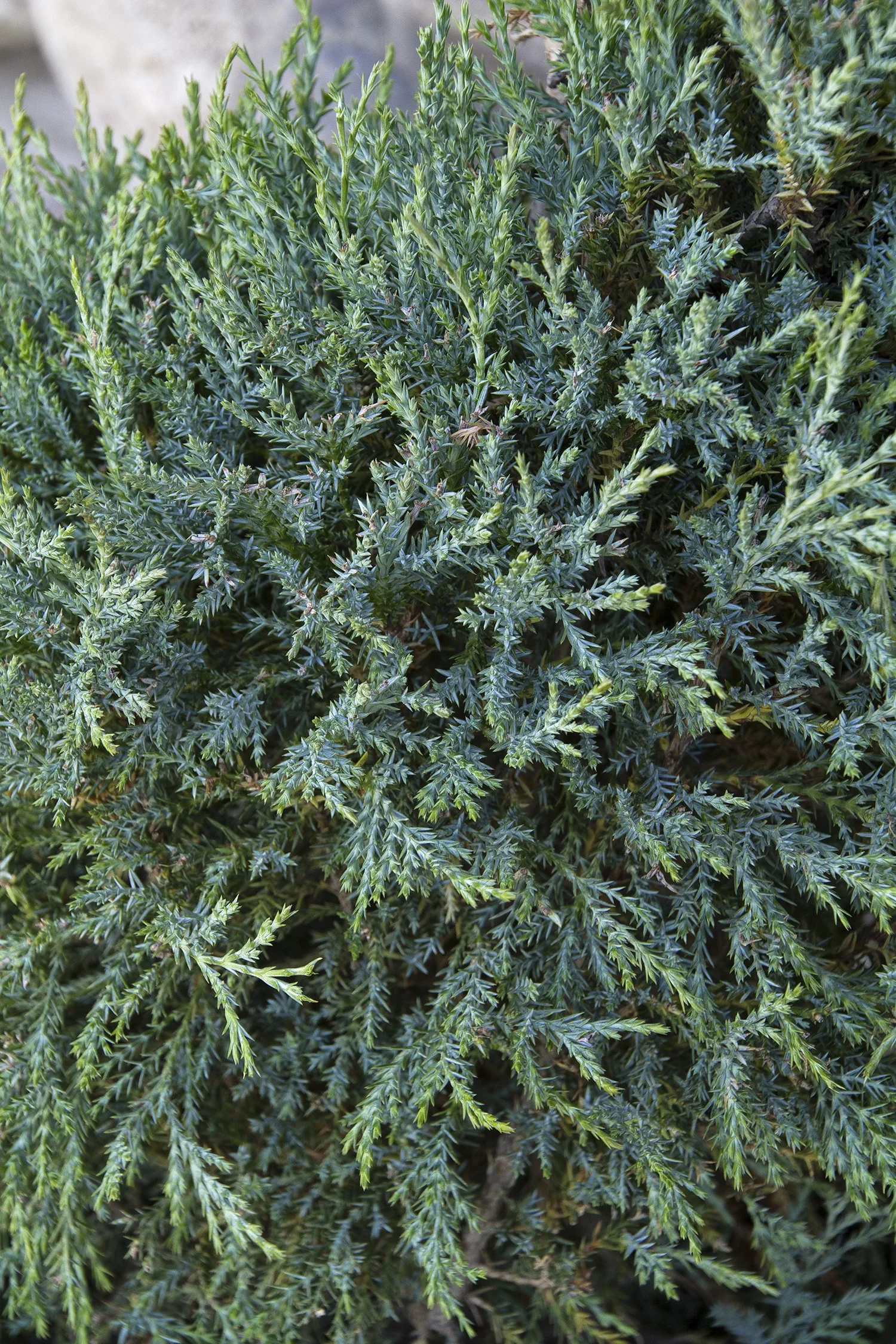
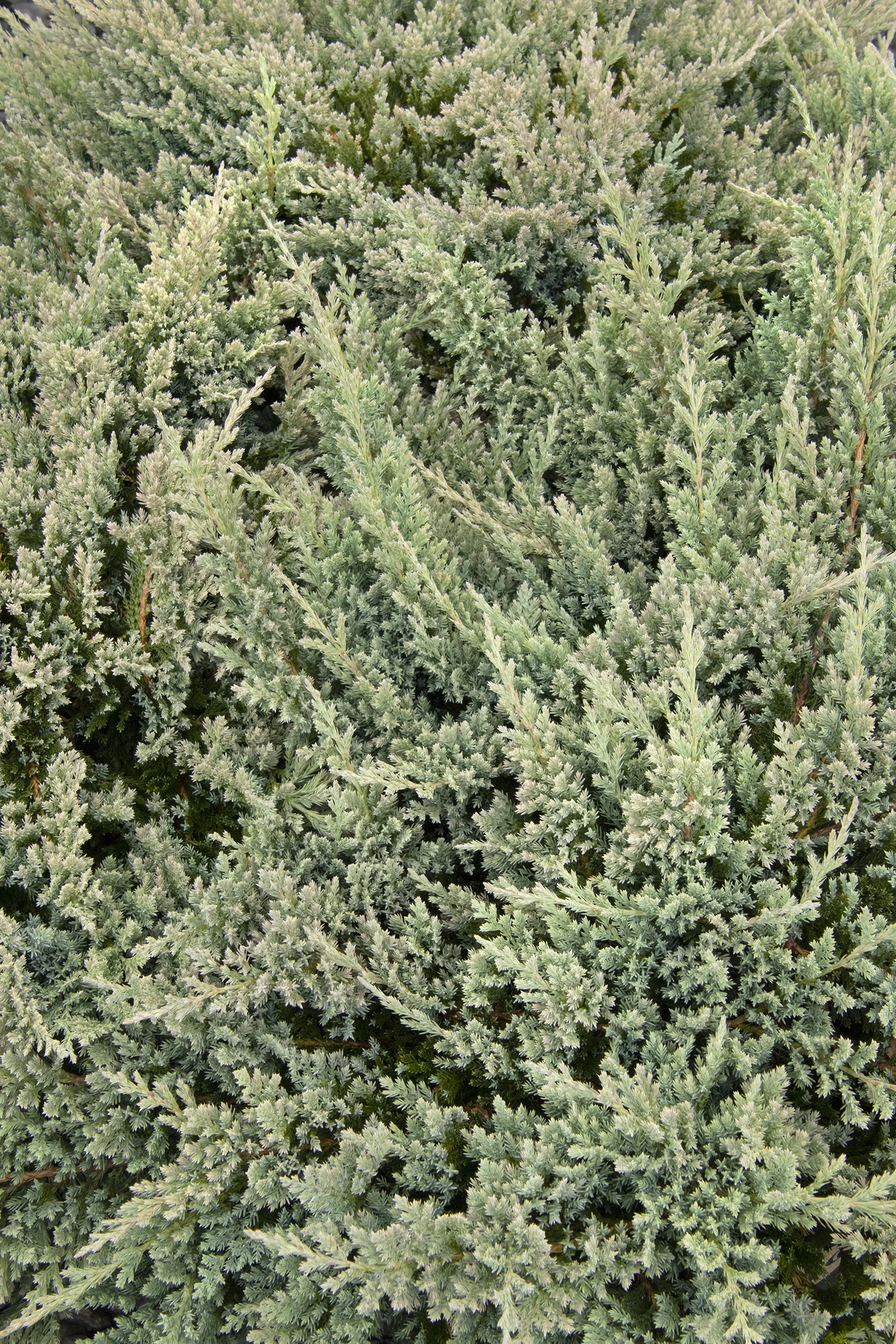
| Description | Attractive blue-green foliage on a naturally narrow column that holds its form well without pruning! An excellent vertical accent, useful for landscape framing. This very durable specimen tolerates heat, cold, drought, and seacoast exposure. This is a male clone and does not produce berries. Evergreen. |
|---|---|
| Bloom Time | Conifer; prized for foliage. |
| Deciduous/Evergreen | Evergreen |
| Special Features | Dramatic Foliage Color, Easy Care, Waterwise, Heat Loving |
| Problems/Solutions | Coastal Exposure, Deer Resistant, Erosion Control, Rabbit Resistant, Tolerates Urban Pollution, Road Salt Tolerant |
| Growth Rate | Slow |
| Growth Habit | Columnar |
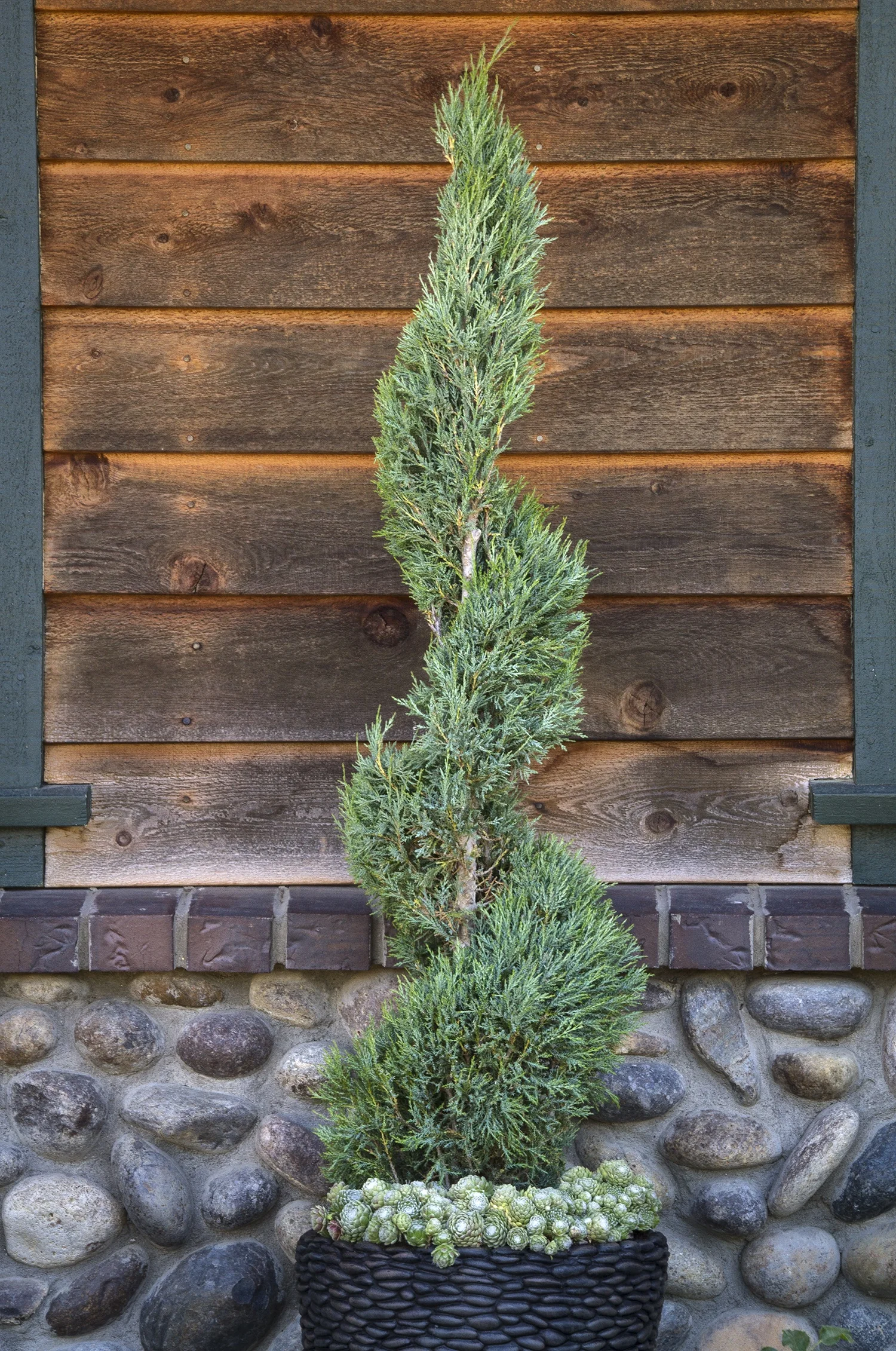
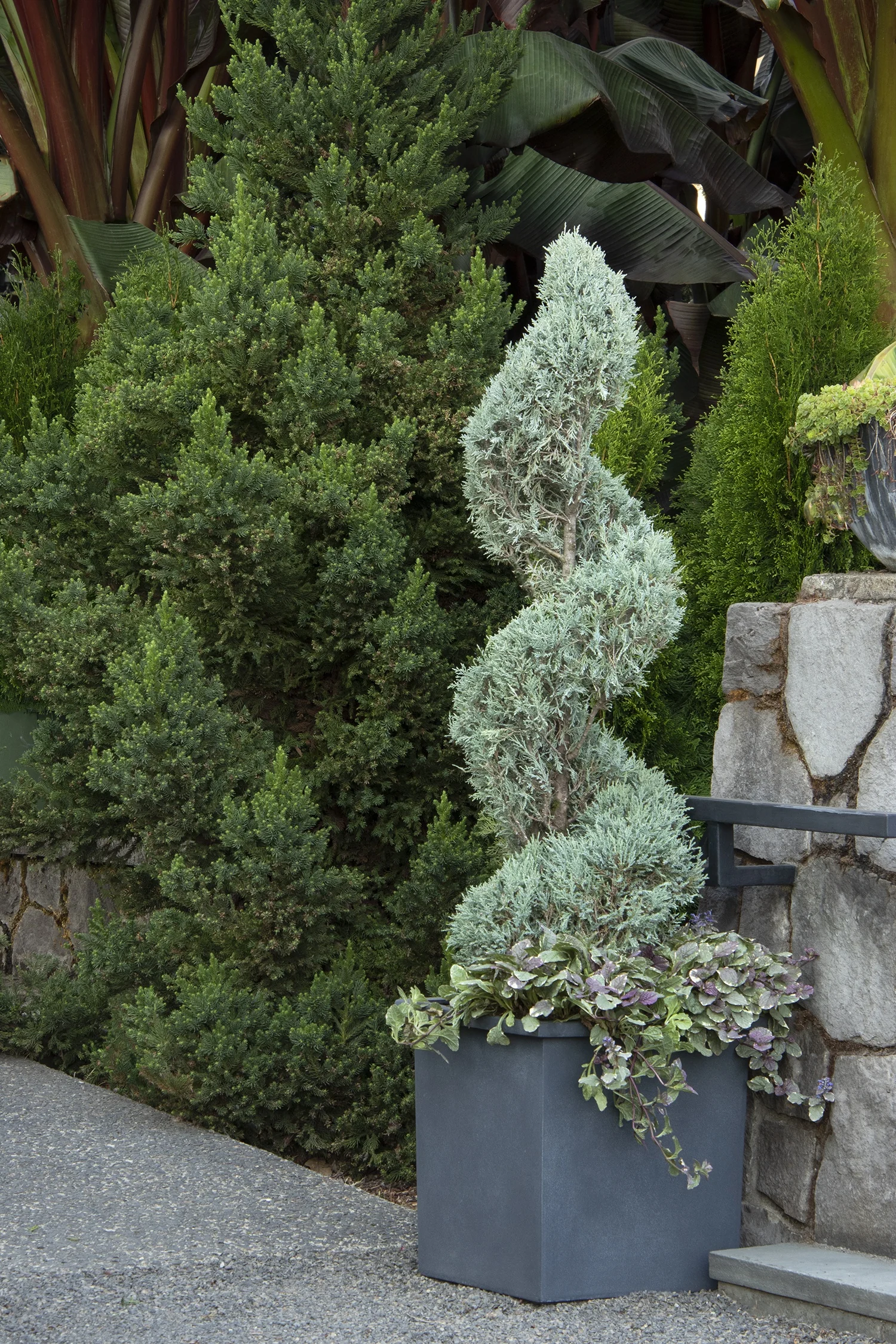
| Landscape Use | Container, Privacy Screen, Windbreak, Suitable for Topiary |
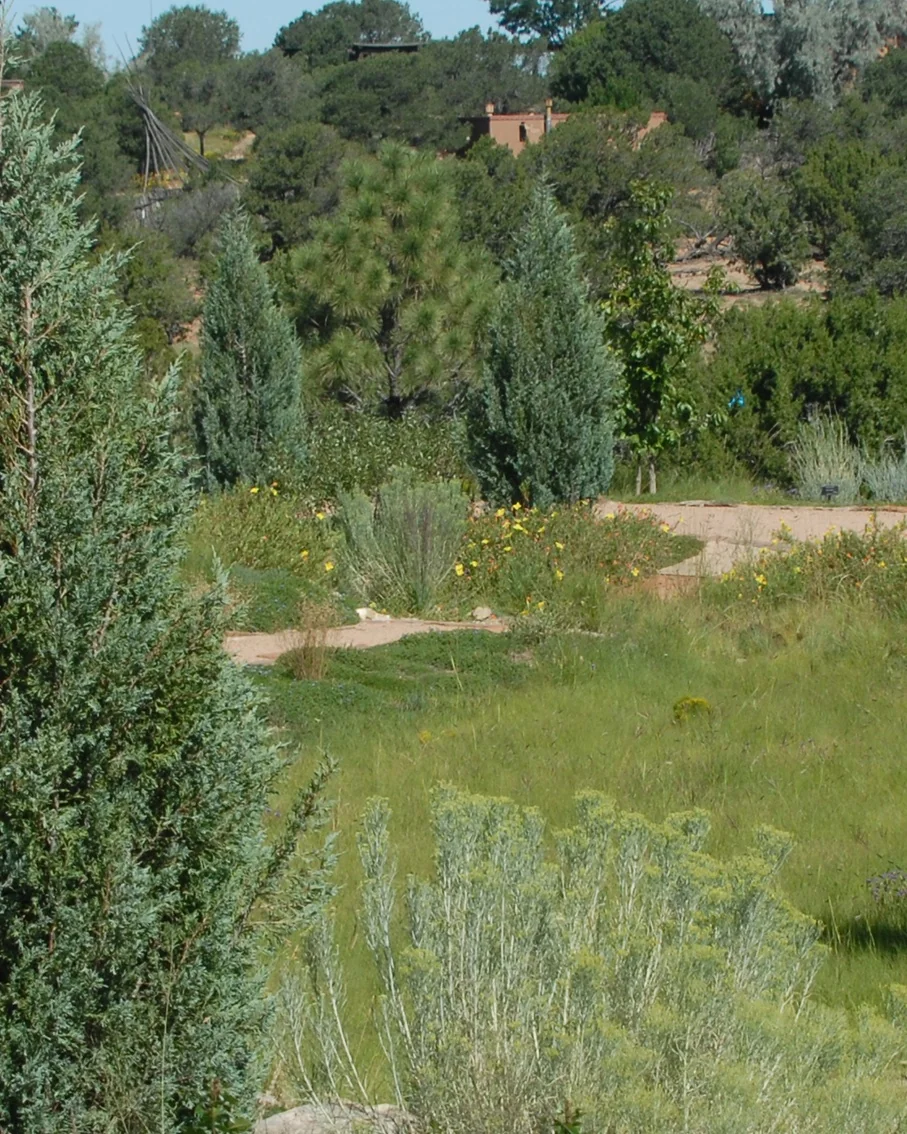
| Design Ideas | This very narrow, columnar Juniper is available in natural or spiral form. A dramatic, almost architectural plant that is much like the classic Italian Cypress but far more cold hardy. Line them up into a dense hedge for a windbreak or privacy screen or use the spirals as a formal accent. Use as a vertical accent for naturalistic landscapes of mixed conifers. |
| Foliage Color | Blue-green |
| Companion Plants | Clematis (Clematis); Maiden Grass (Miscanthus); Catmint (Nepeta); Barberry (Berberis); Rose (Rosa); Russian Sage (Perovskia) |
| Care Instructions | Easily grown in a wide range of soils, including clay, alkaline and compacted soils; avoid wet, soggy soils. Water deeply, regularly during the first growing season to establish an extensive root system; once established, reduce frequency. Feed with a general purpose fertilizer before new growth begins in spring. |
| History | J. scopulorum, also known as the Rocky Mountain Juniper, is native to western North America and Canada. Some specimens found throughout the U.S. are believed to be 1500 to 2000 years old. A clone from the Rocky Mountain juniper, ‘Medora’ originated in the Badlands of western North Dakota. and was introduced by NDSU in Fargo, ND om 1954. |