
Merrill Magnolia
$31.00 Original price was: $31.00.$9.30Current price is: $9.30.
1000 in stock
SKU: QoYLwZcKUz
Category: BESTSELLERS
LIGHT: Full sun
WATER: Once established, water deeply when dry.
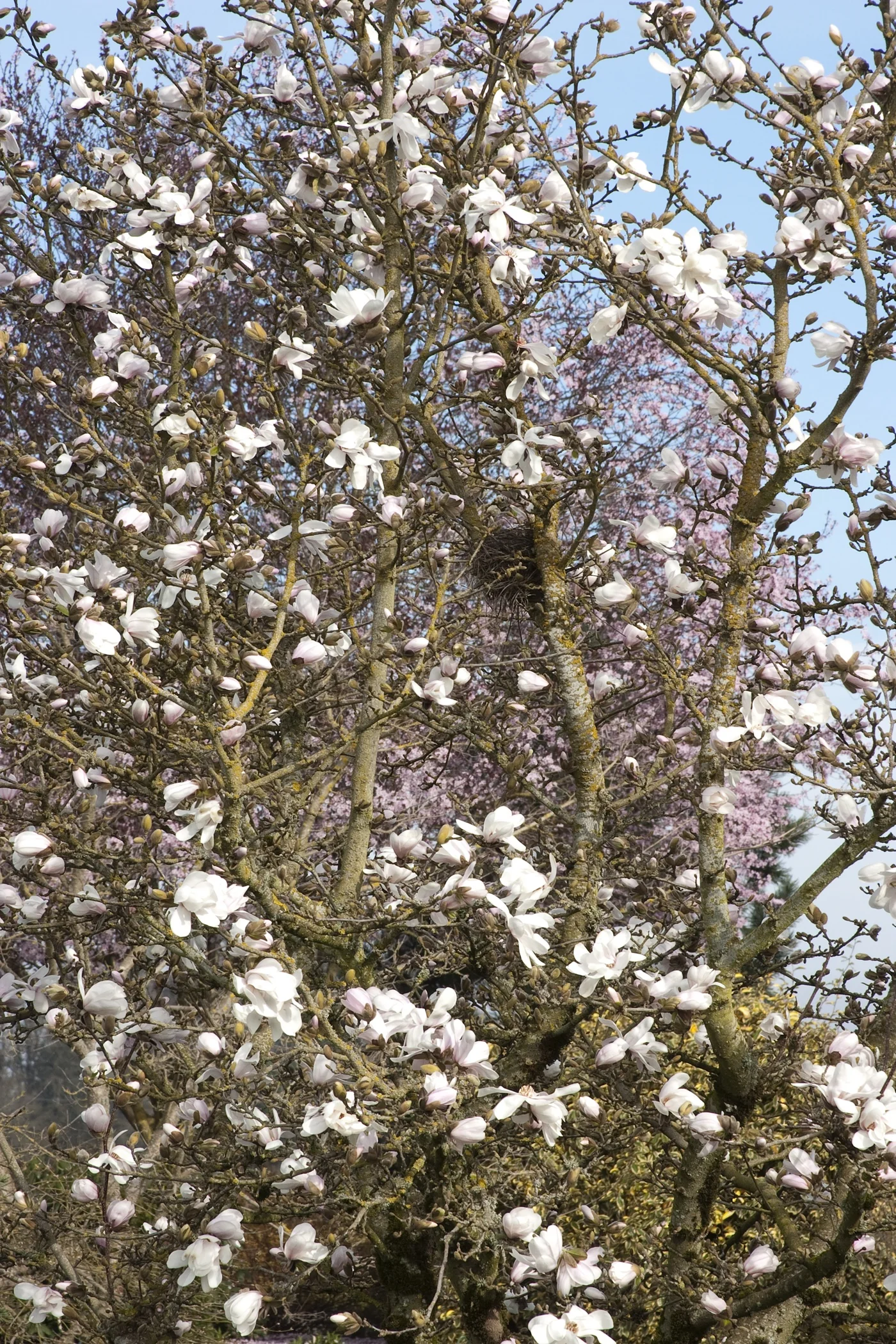
SIZE: Fast growing to 12 ft. tall and 15 ft. wide; reaches 25 ft. tall and wide as a tree.
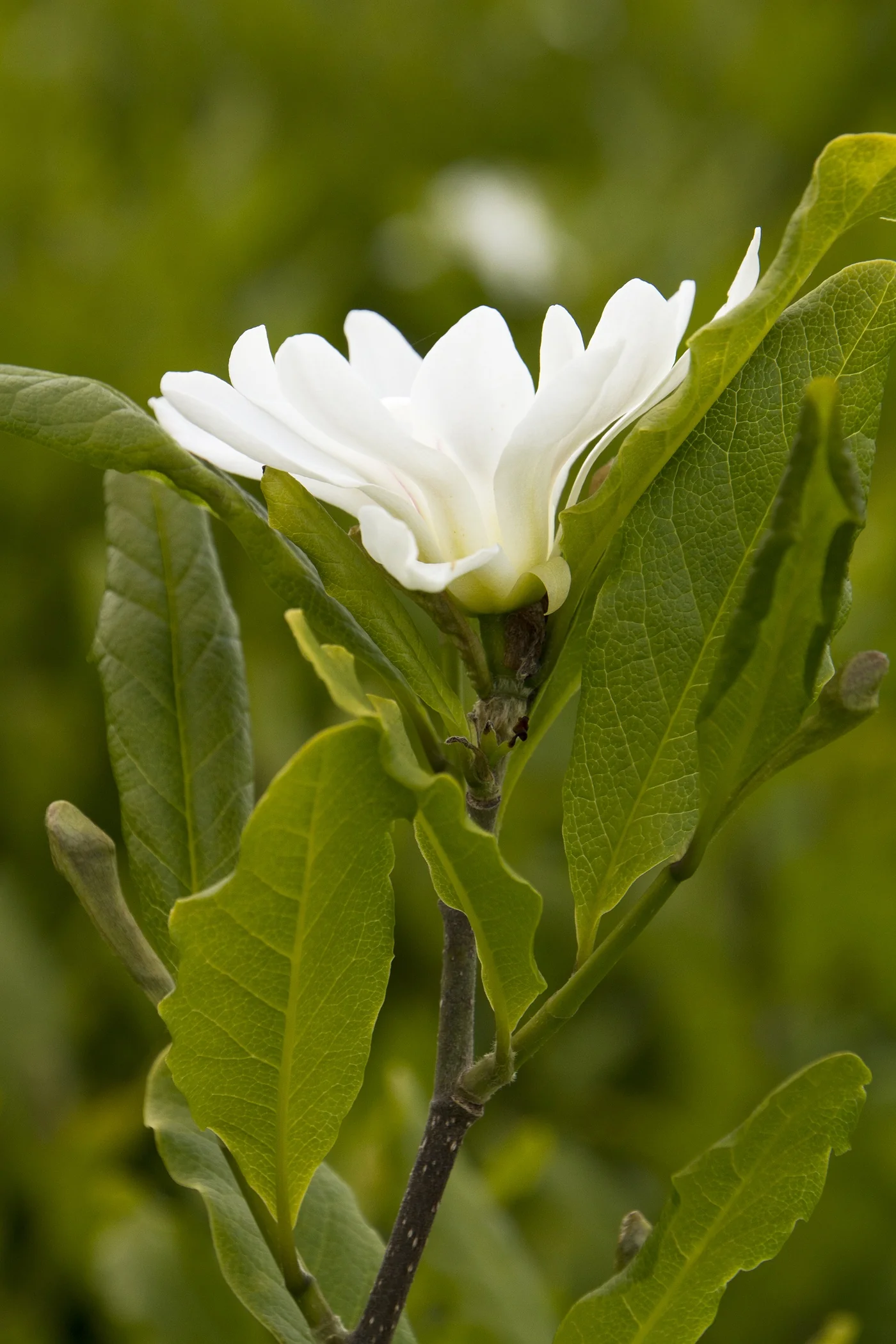
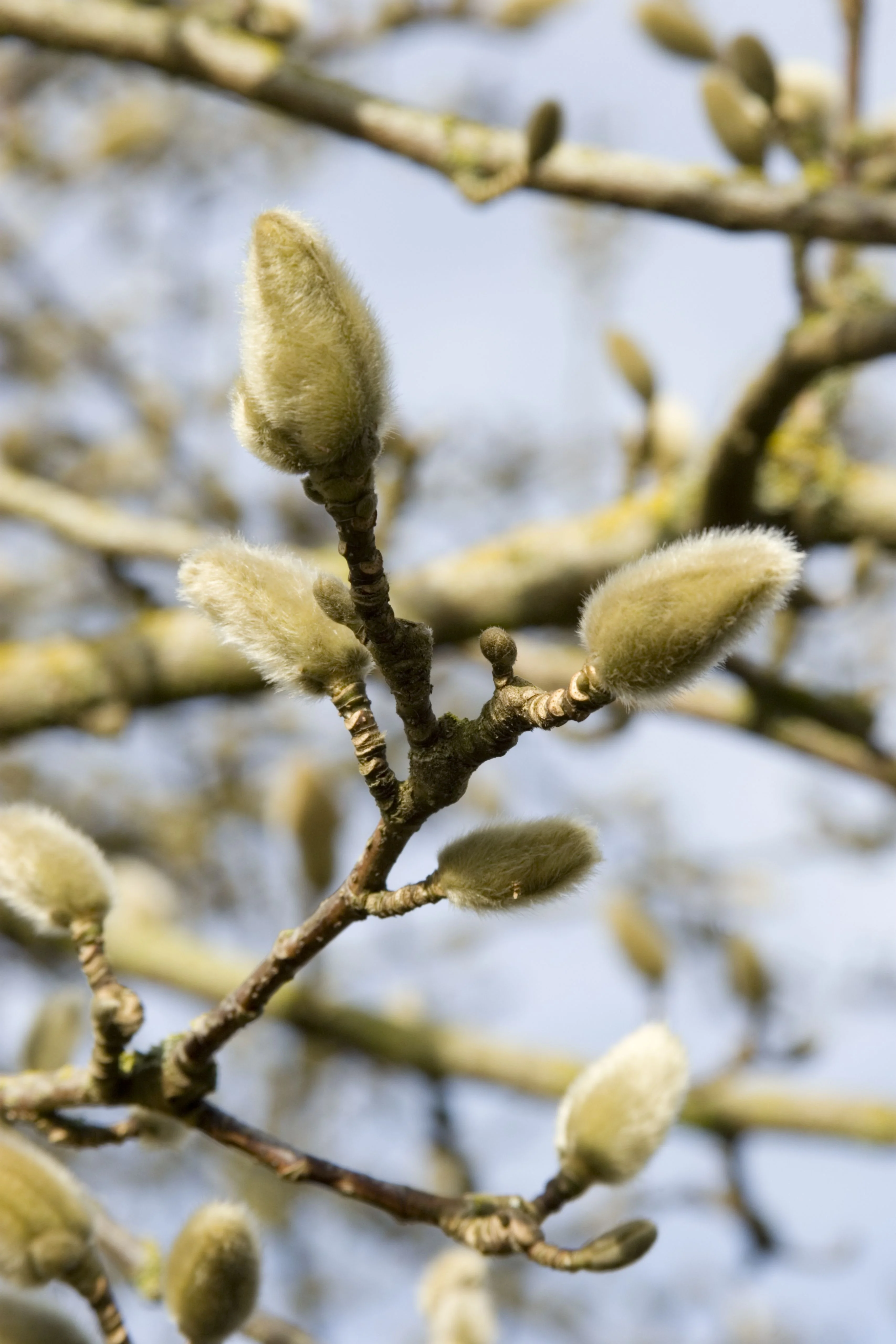
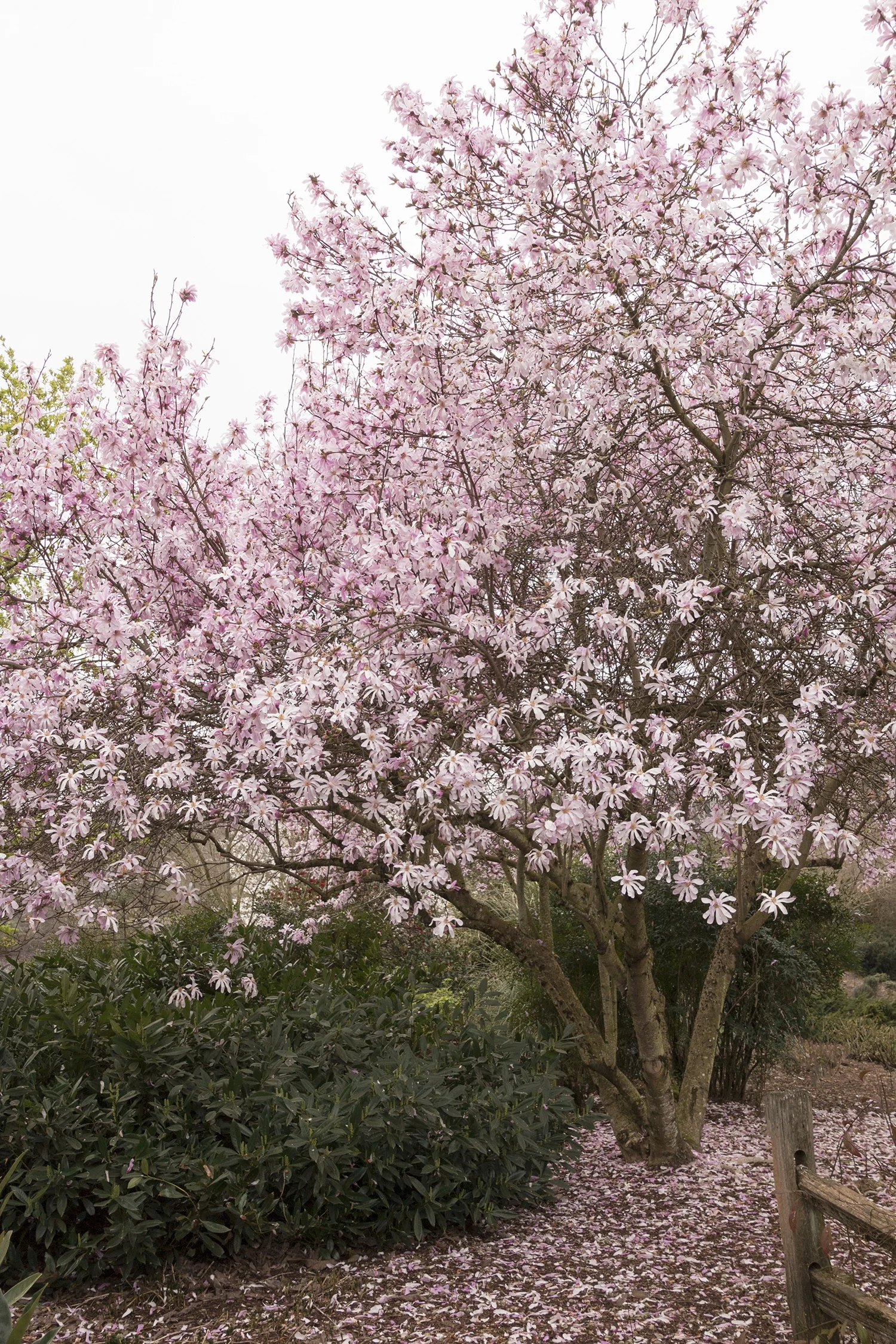
| Description | Vigorous-growing deciduous large shrub or small tree with dense branching habit. Large star-like flowers have a pleasing light fragrance. Blooms at an early age. Very useful in shrub borders. |
|---|---|
| Bloom Time | Early spring |
| Deciduous/Evergreen | Deciduous |
| Problems/Solutions | Deer Resistant, Rabbit Resistant |
| Growth Rate | Fast |
| Flower Attributes | Flowers for Cutting, Fragrant, Showy Flowers |
| Landscape Use | Border |
| Design Ideas | Though technically a tree, grow this big flowering Magnolia as a large shrub. It is a perfect size for foundation planting against dark walls or beside windows where you can enjoy the flowers at close range. Integrate into flowering shrub borders or use as an accent among perennials. Make it the focal point of a smaller city garden, where you can carefully control the shape for night lighting and visibility. Such large softly colored blossoms make a great study up close around patios, porches and other outdoor living spaces. |
| Flower Color | White |
| Foliage Color | Green |
| Companion Plants | Looks beautiful in an early spring border with such flowering shrubs as Spring Glory Forsythia (Forsythia x intermedia ‘Spring Glory’), Double Pink Bridal Wreath (Spiraea x bumalda ‘Anthony Waterer’), Super RedTM Flowering Quince (Chaenomeles japonica ‘Moned’) and the early flowering Mount Baker Canadian Lilac (Syringa x hyacinthiflora ‘Mount Baker’). Top it off with Pink Japanese Wisteria (Wisteria floribunda ‘Rosea’) or the potent magenta Ernest Markham Clematis (Clematis x ‘Ernest Markham’). |
| Care Instructions | Follow a regular watering schedule during the first growing season to establish a deep, extensive root system. Watering can be reduced after establishment. Feed with a general purpose fertilizer before new growth begins in spring. |
| History | The hybrid M. x loebneri was derived from two distinct white flowered species in Germany sometime before 1910. One parent is M. kobus of Japan, introduced in 1865 and the other is M. stellata, the star magnolia also introduced from Japan around the same time. This is an American hybrid developed at the Arnold Arboretum of Boston, MA, and introduced in 1939. |
| Lore | This genus includes over 80 species from north American and Asia, named after Pierre Magnol, (1638-1715), a botanist of Montpelier, France. |