
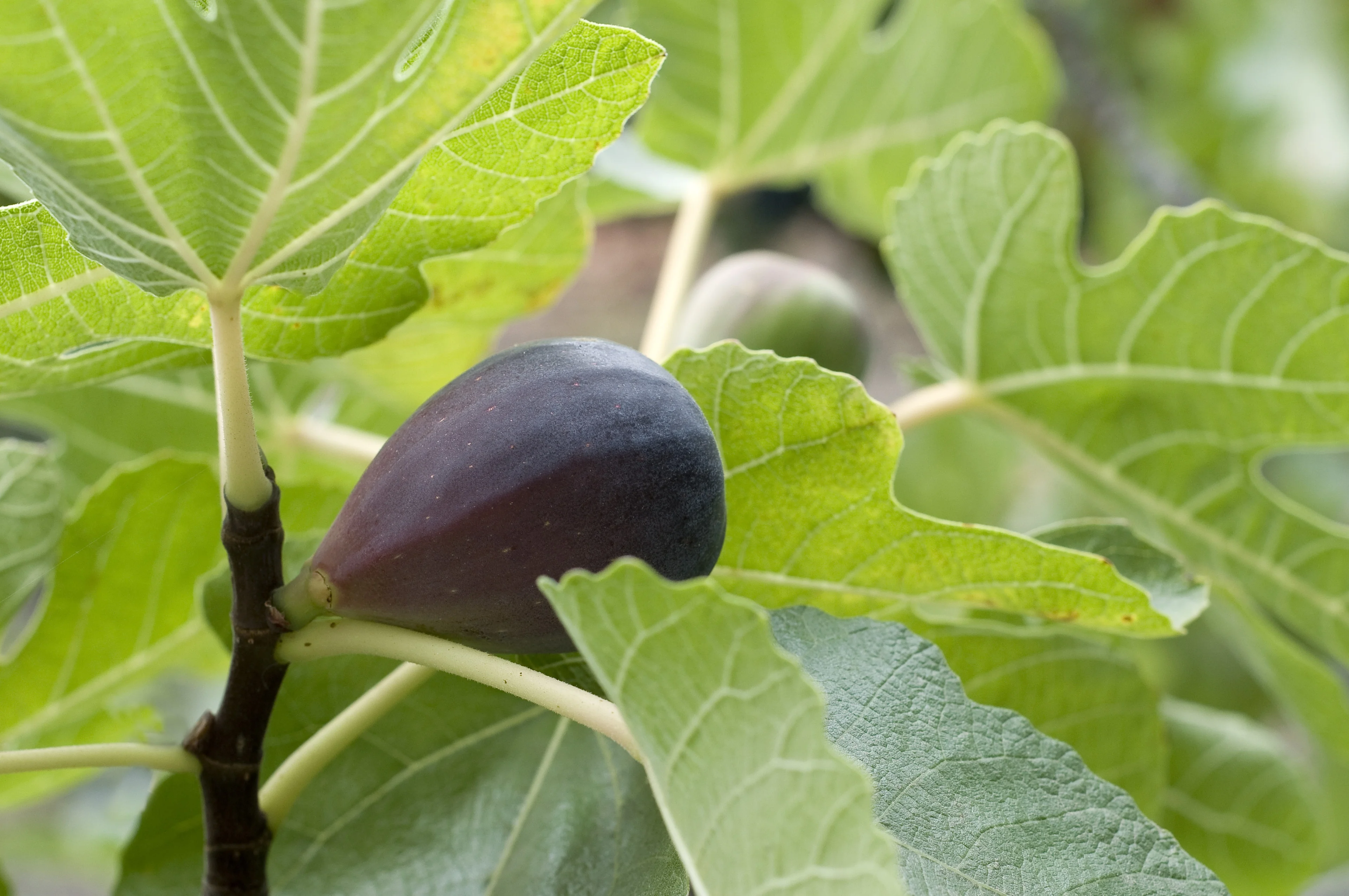
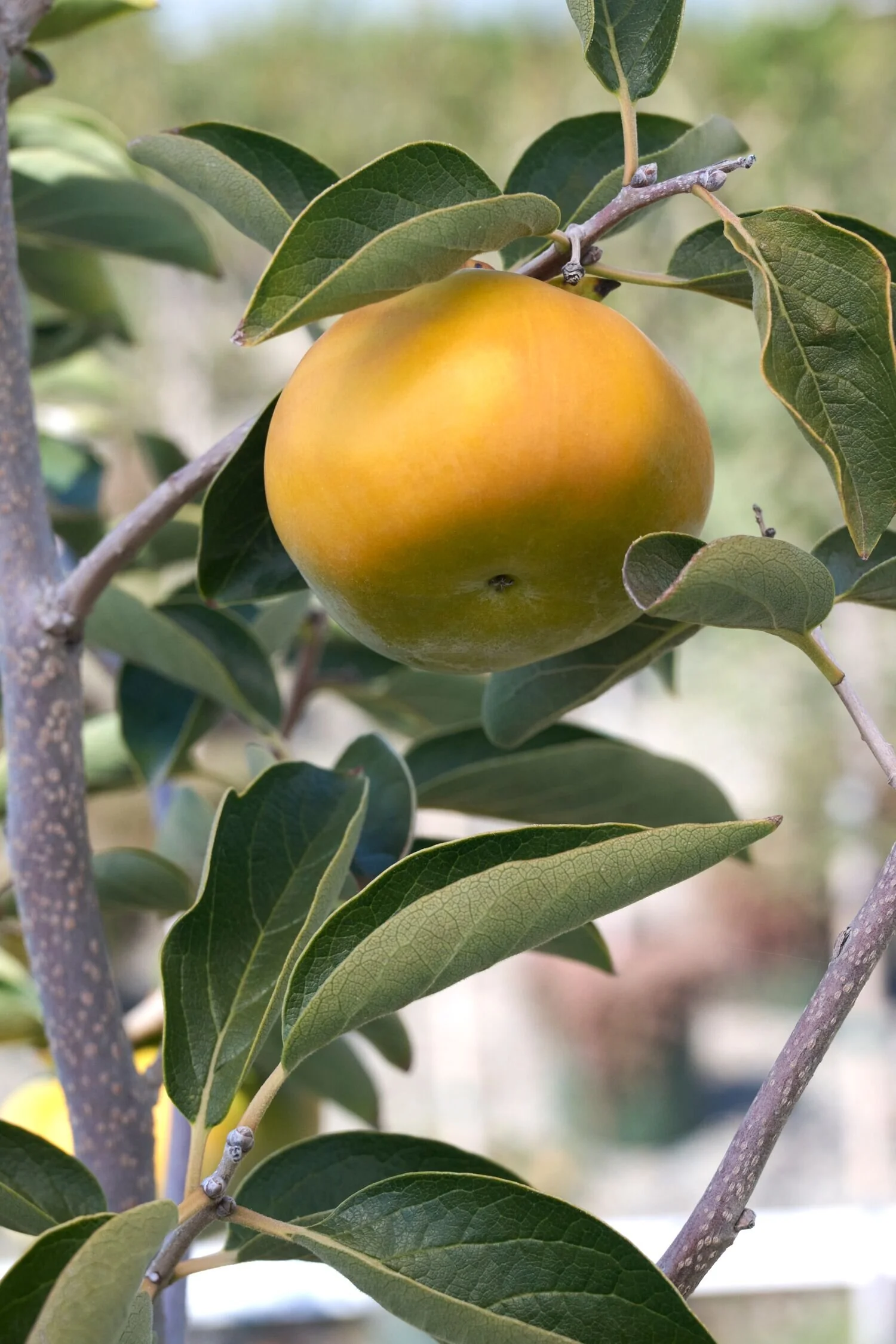
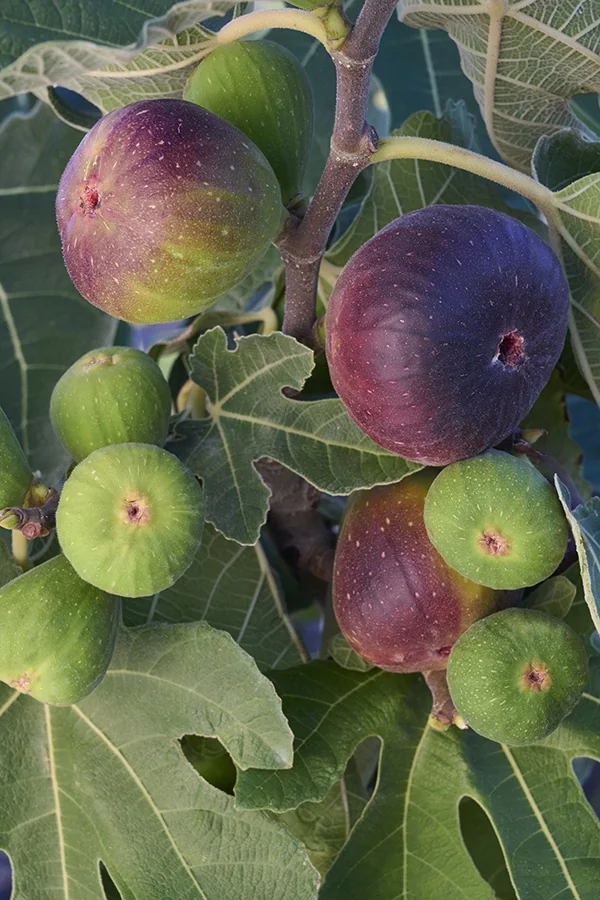
Mission Fig
$26.00 Original price was: $26.00.$7.80Current price is: $7.80.
1000 in stock
SKU: eVIKrYtw71
Category: Fruit Trees
LIGHT: Full sun
WATER: Water deeply when soil is dry.
SIZE: Moderate growing; reaches 20 to 35 ft. tall and wide.
| Description | This attractive deciduous garden tree offers dense shade and develops an interesting winter silhouette. Especially sweet, purplish black fruit ripens in summer. Figs are often root hardy and prolific in zones 5 and 6 if planted in a sheltered location. Highly adaptable, but bears best fruit in hot inland areas. |
|---|---|
| Bloom Time | Inconspicuous; prized for fruit and foliage. |
| Deciduous/Evergreen | Deciduous |
| Special Features | Easy Care, Showy Fruit, Edible, Benefits Birds |
| Problems/Solutions | Coastal Exposure, Deer Resistant |
| Growth Rate | Moderate |
| Growth Habit | Spreading |
| Landscape Use | Container, Espalier |
| Design Ideas | This resilient Fig was widely used in the historic California missions. Its larger size offers dense shade and its black fruit is sweet and ornamental. Plant as a single specimen or among other fruit trees in an orchard. Bears best in hot inland areas. In harsh winter climates, figs can be enjoyed in large tubs indefinitely, if re-potted or root-pruned occasionally. Move the containers into a cellar or unheated garage after the leaves have dropped in fall, and back out when the harsh winter weather has passed. A beautiful specimen or seasonal screening plant for patios, decks and urban rooftop gardens. |
| Foliage Color | Green |
| Companion Plants | Rosemary (Rosmarinus); Lavender (Lavandula); Grape (Vitis); Raspberry (Rubus); Fragaria (Strawberry) |
| Care Instructions | Prefers enriched, well-drained soil. Water deeply, regularly in first growing season to establish root system; reduce frequency, once established. Requires less water in fall and winter, more in growing season. Shelter in colder zones; may die back and re-sprout from roots in spring. Apply fertilizer in spring. Prune lightly in late winter. |