
Moonshine Yarrow
$118.00 Original price was: $118.00.$35.40Current price is: $35.40.
1000 in stock
SKU: 7ySbgwoTnh
Category: BESTSELLERS
LIGHT: Full sun
WATER: Water when top 3 inches of soil is dry.
SIZE: Clumping foliage 1 to 2 ft. tall, 2 ft. wide.
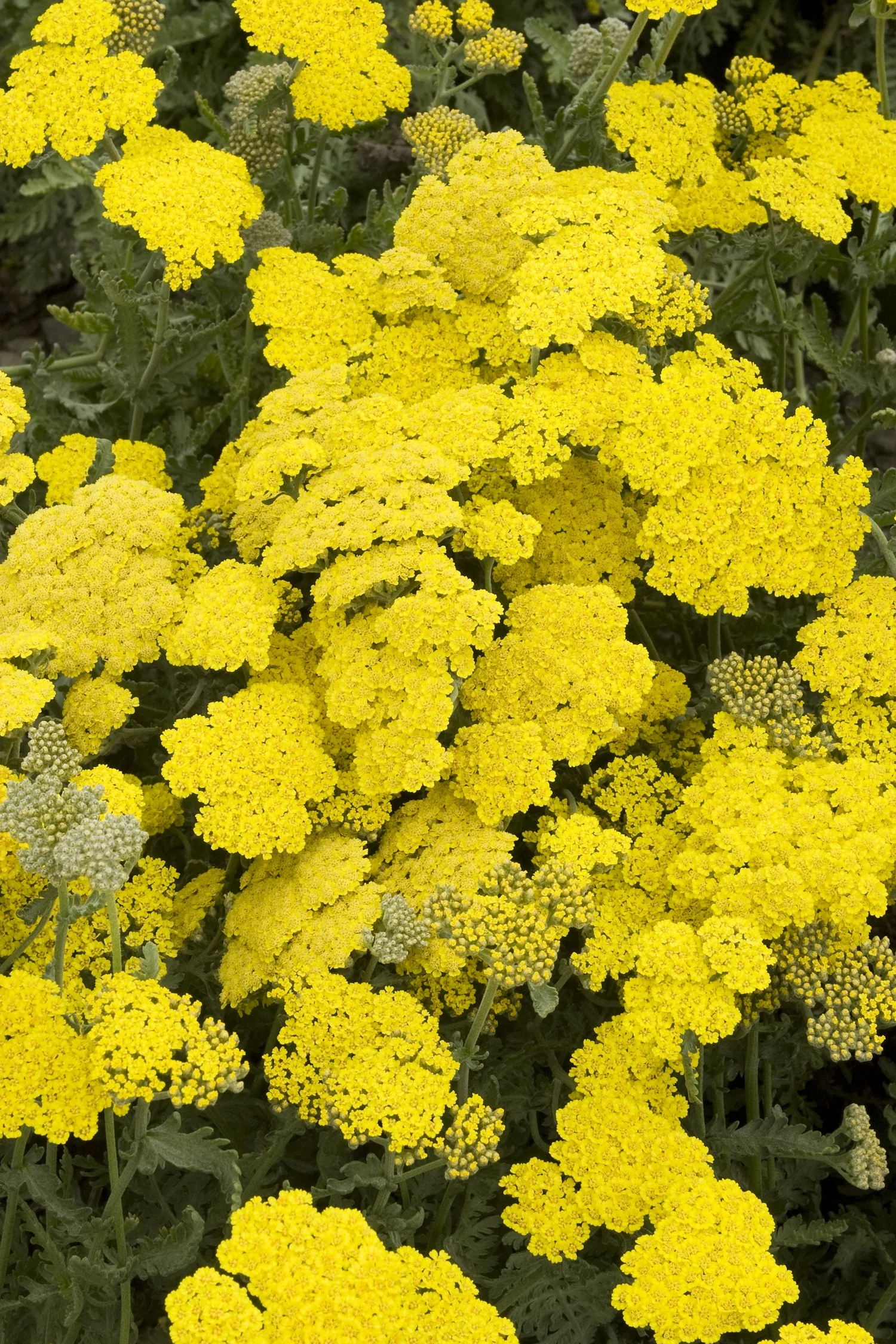
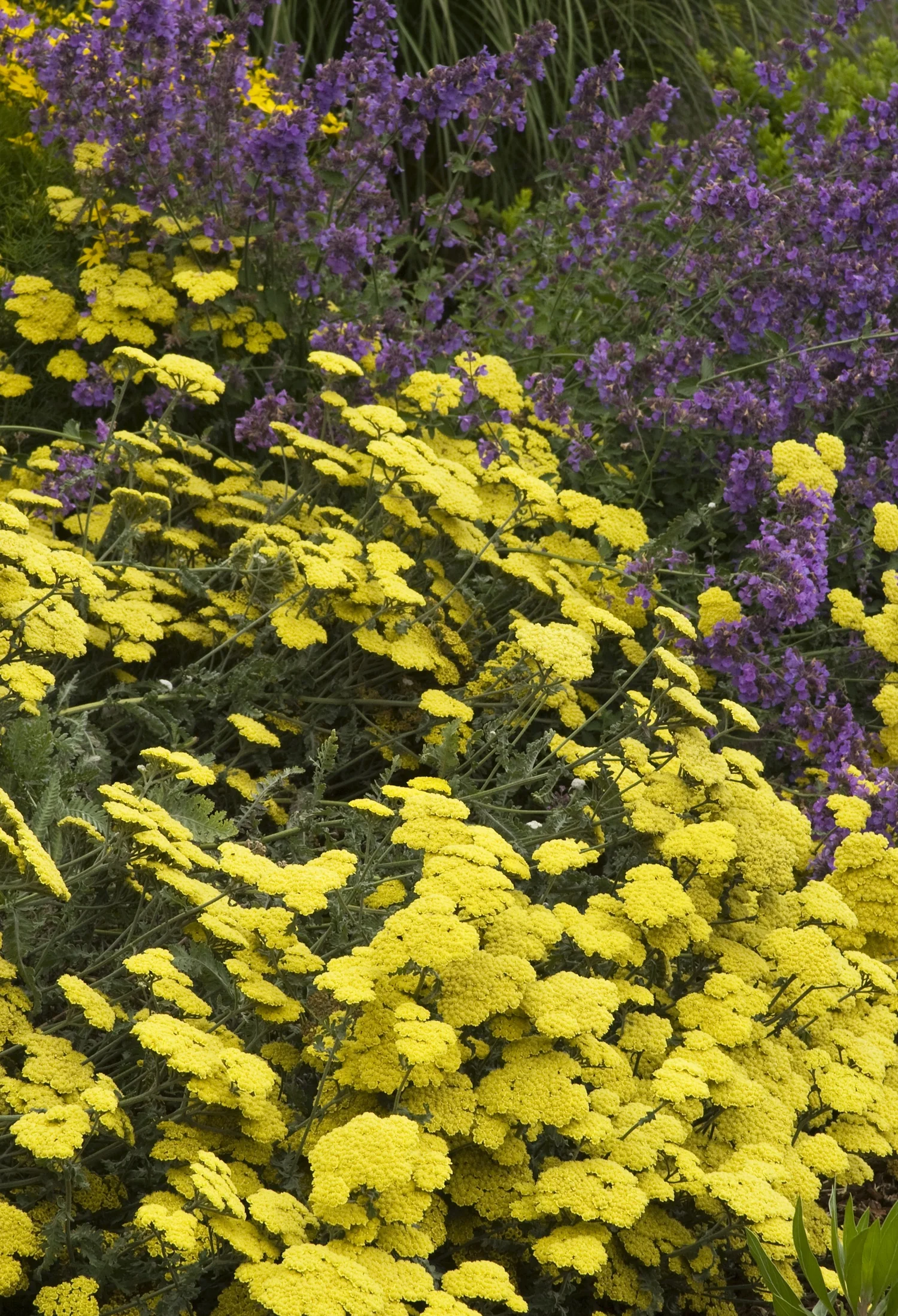
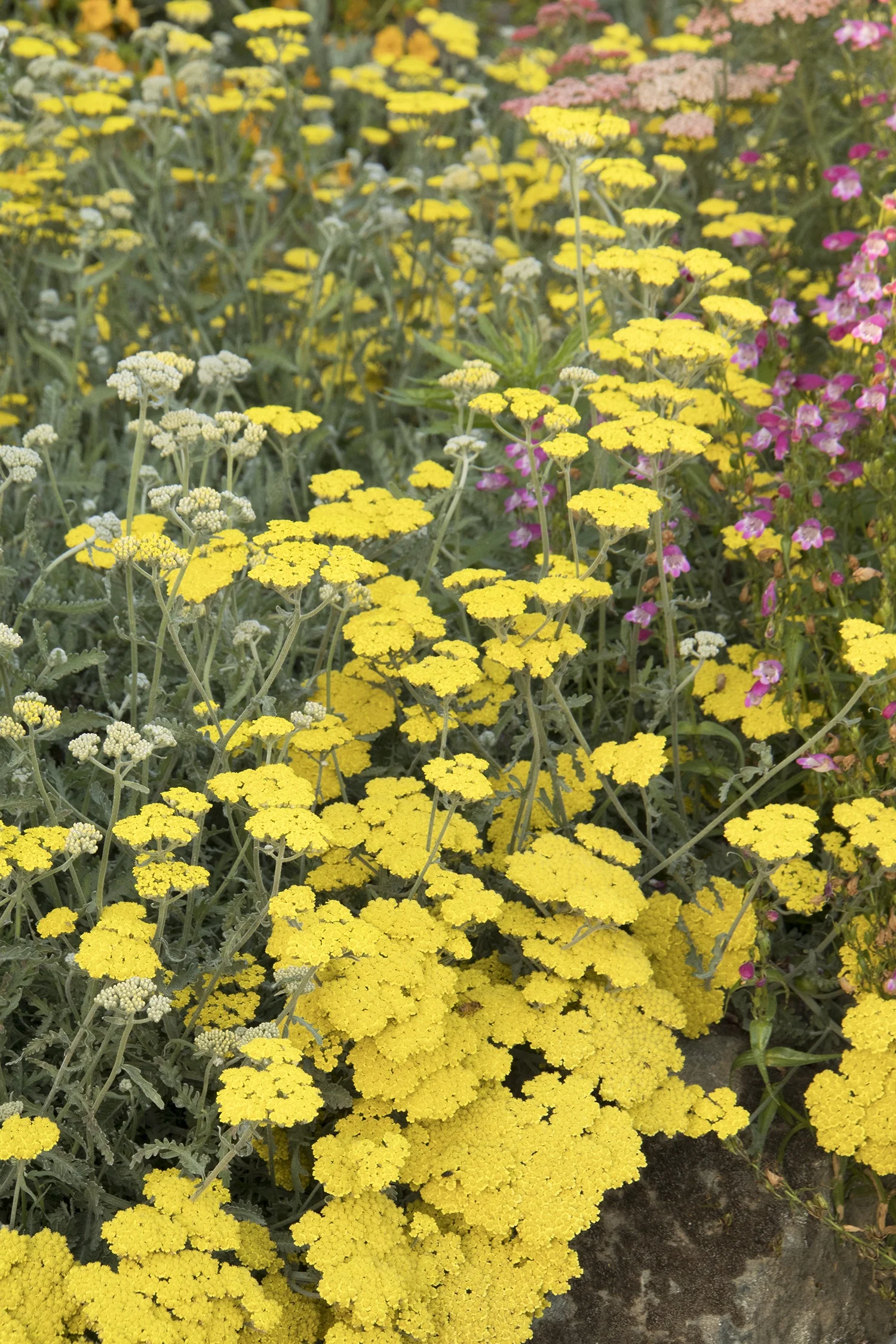
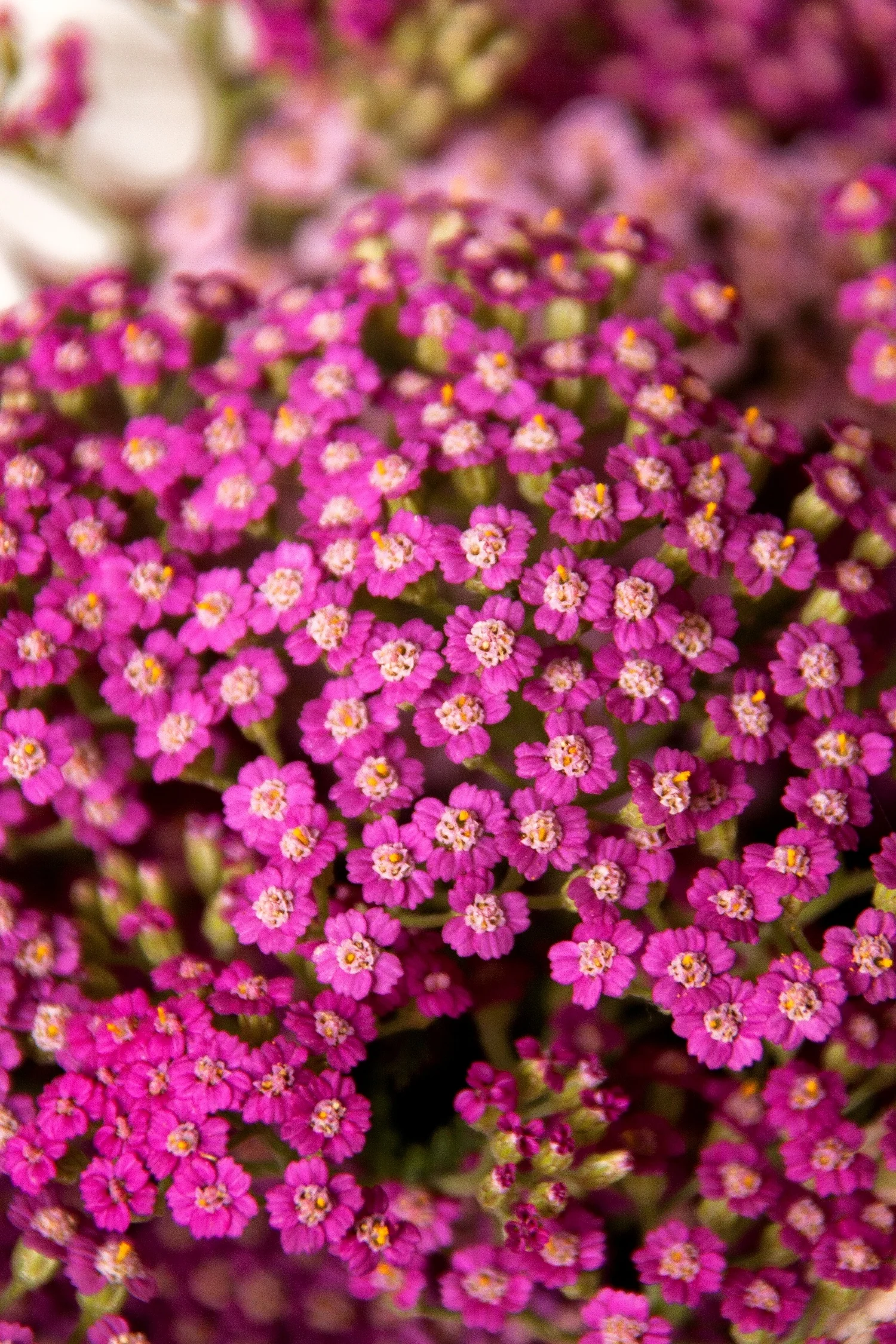
| Description | A fuss-free, heat-loving bloomer with large clusters of canary yellow flowers on narrow stems held well above ferny, grey-green foliage clumps. Use to accent sunny borders and rock gardens, or in mass plantings to create a bold band of color throughout summer. A great cut flower, fresh or dried. An herbaceous perennial. |
|---|---|
| Bloom Time | Summer |
| Deciduous/Evergreen | Herbaceous |
| Special Features | Easy Care, Waterwise, Attracts Pollinators, Heat Loving |
| Problems/Solutions | Coastal Exposure, Deer Resistant, Rabbit Resistant |
| Growth Rate | Moderate |
| Flower Attributes | Flowers for Cutting, Long Bloom Season, Repeat Flowering, Showy Flowers |
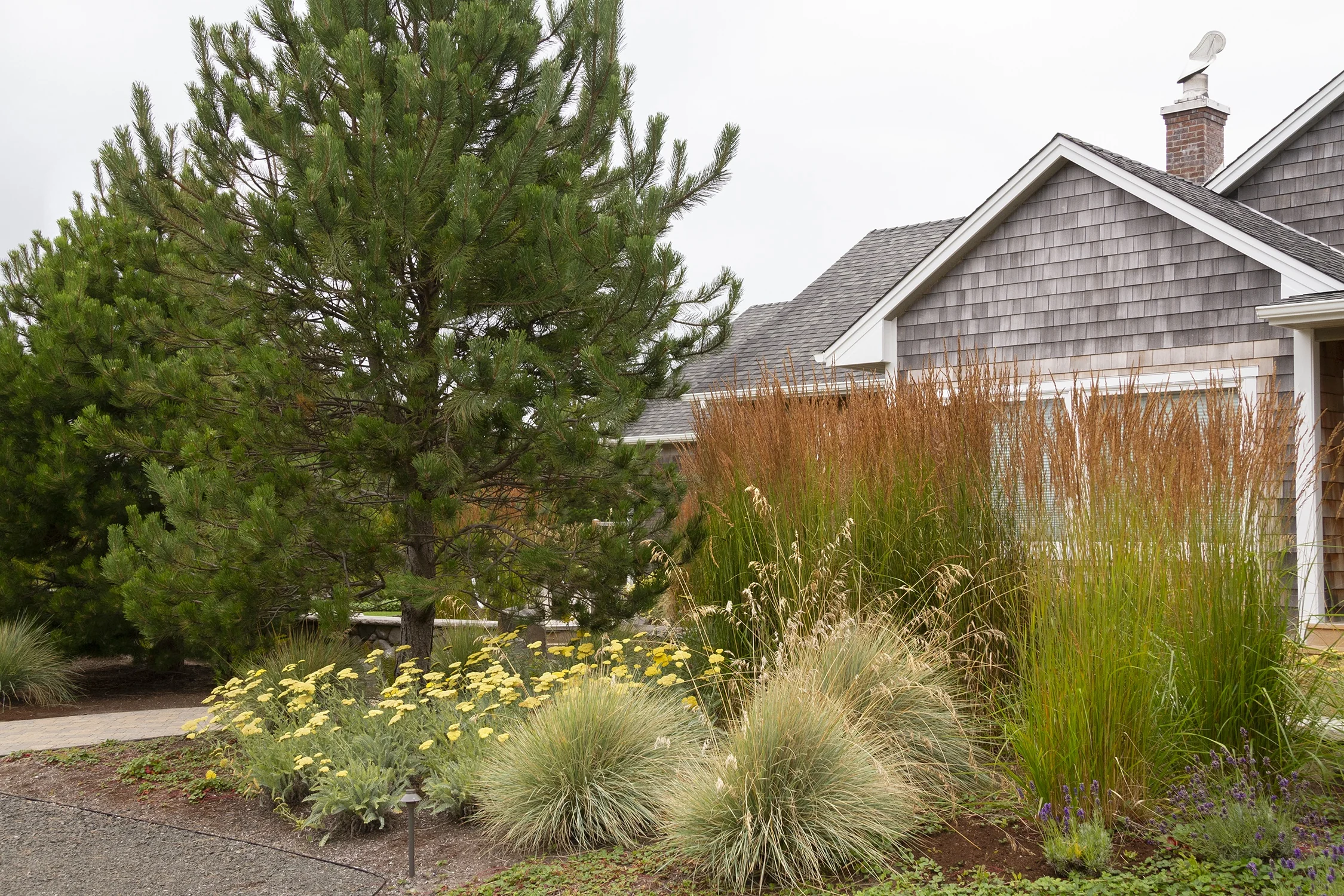
| Landscape Use | Border, Container |
| Design Ideas | An outstanding Mediterranean aromatic for everlasting color in beds and borders. Works nicely in dryland xeriscapes where it matches demands of arid western natives. A traditional component of herb, cutting and knot gardens. |
| Flower Color | Yellow |
| Foliage Color | Gray-green |
| Companion Plants | Maiden Grass (Miscanthus); Scotch Broom (Cytisus); Coneflower (Echinacea); Russian Sage (Perovskia); Rock Rose (Cistus) |
| Care Instructions | Thrives in lean to average, well-drained soil. Water regularly in first growing season to establish root system; reduce frequency once established. Tolerates dry spells when established in landscape; water container plants regularly, when soil surface becomes dry. For a tidy appearance, remove spent flower stems. |
| History | This genus was named for the Greek, Achilles with this species a native perennial of Europe. In the mythical siege of Troy, it is said that yarrow was the plant given by the centaur Chiron to the Greek general, Achilles. It’s foliage is a natural coagulant and was used to treat wounds on the battlefield. The genus includes over one hundred species. Achillea x ‘Moonshine’ is a hybrid of A. taygetea, a native of Greece and A. millefolium, the most common form. |