
Pink Candy Hebe
$73.00 Original price was: $73.00.$21.90Current price is: $21.90.
1000 in stock
SKU: 1N0HYTR2hL
Category: Flowering Shrubs
LIGHT: Full sun, Partial sun
WATER: Water when top 2 inches of soil is dry.
SIZE: Moderate growing shrub; reaches 15 to 18 in. tall, 18 to 24 in. wide.
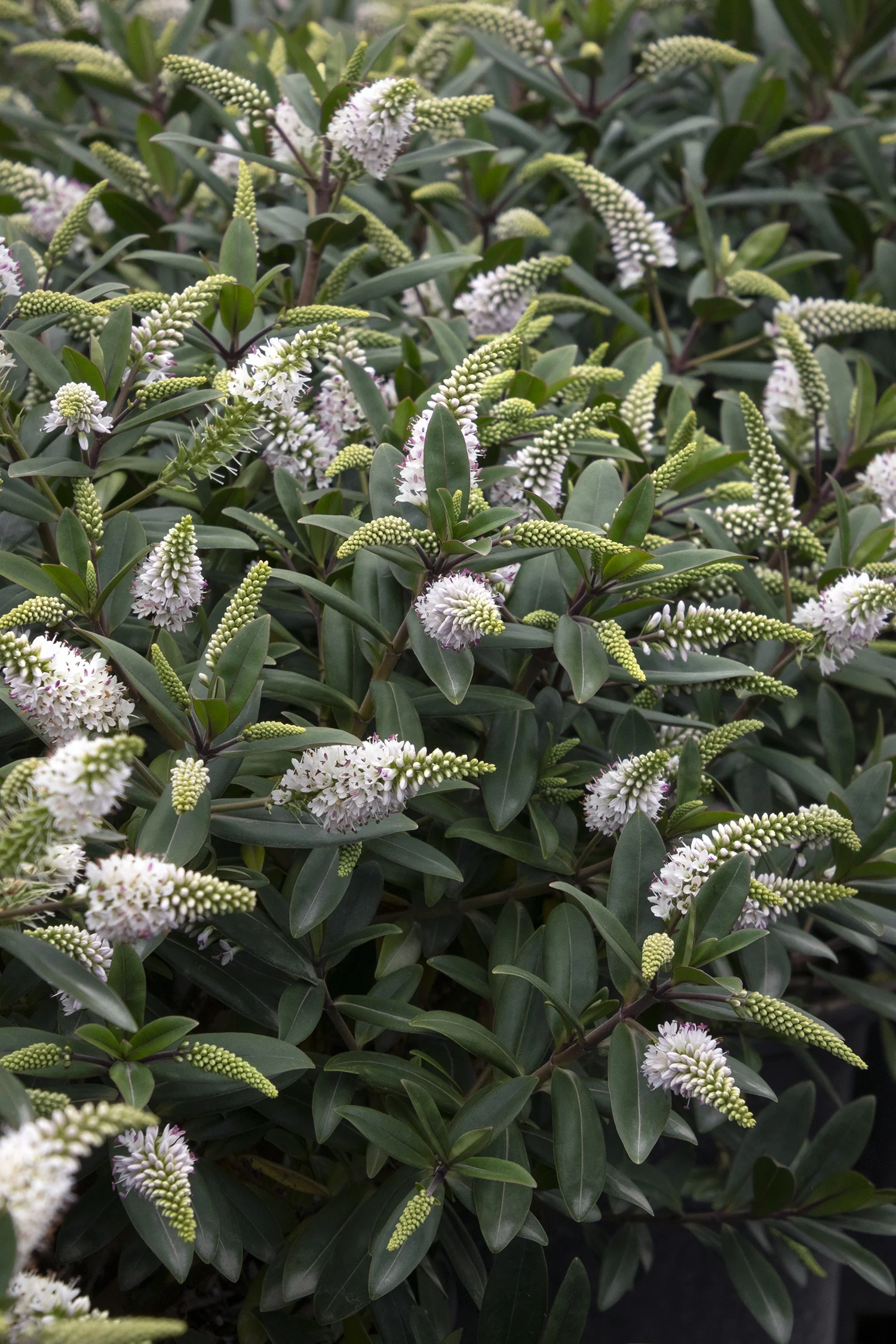
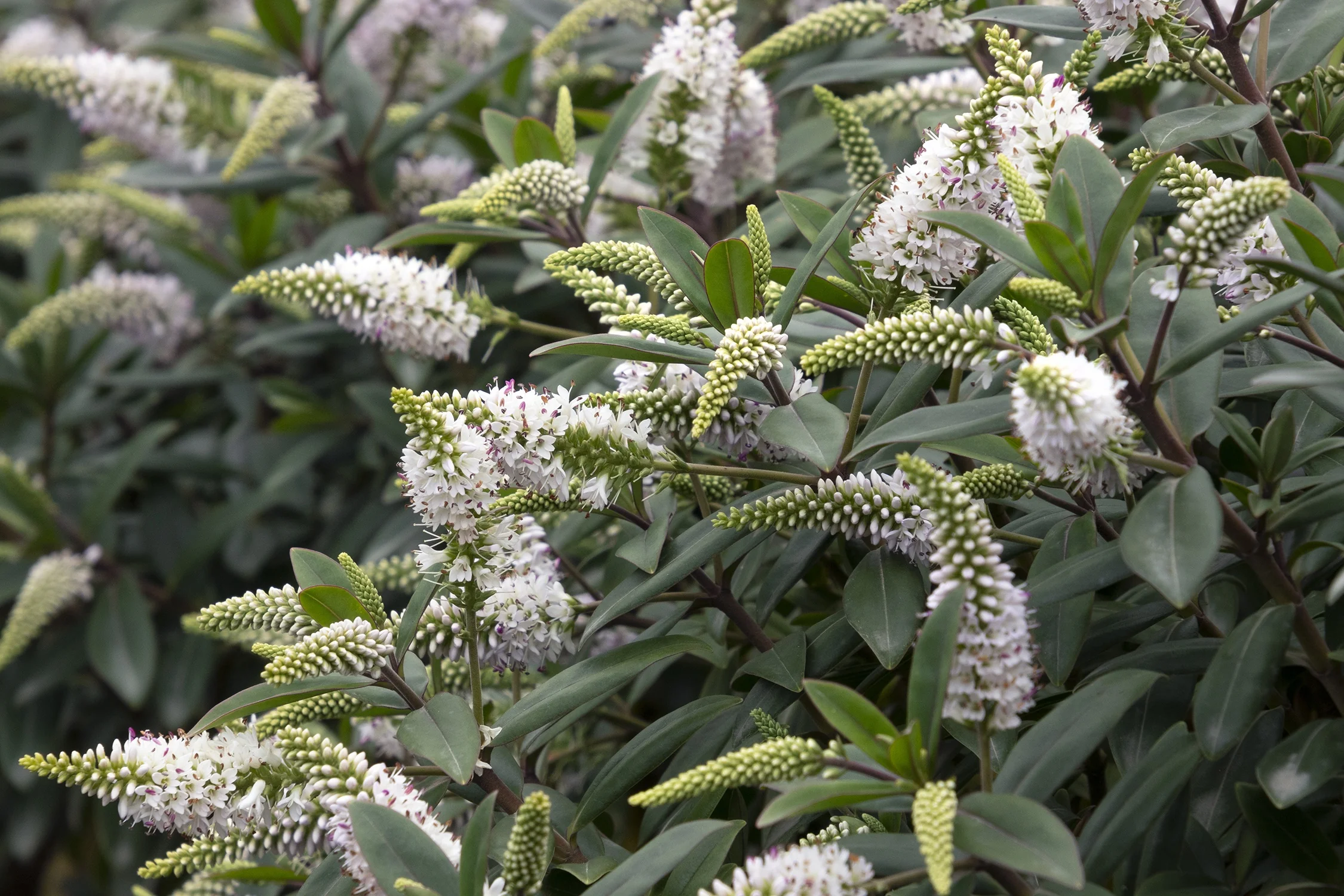
| Description | This rounded, dense, compact variety offers better heat resistance and glossy dark green leaves with thin crimson midribs and margins. Foliage develops a soft bronze-red winter color. Long-lasting flower spikes with a delicious pink blush are up to 4 inches long. Great for a container specimen, a rock garden accent, or a low border plant. Evergreen. |
|---|---|
| Bloom Time | Summer |
| Deciduous/Evergreen | Evergreen |
| Special Features | Attracts Butterflies, Easy Care, Improved Pest and Disease Resistance, Attracts Pollinators, Compact Form |
| Problems/Solutions | Coastal Exposure, Road Salt Tolerant |
| Growth Rate | Moderate |
| Flower Attributes | Flowers for Cutting, Showy Flowers |
| Patent Act | Asexual reproduction of plants protected by the Plant Patent Act is prohibited during the life of the patent. |
| Landscape Use | Border, Container, Hedge, Edging, Small Spaces |
| Design Ideas | Hebes are excellent front yard foundation plants that look great in every season. Use in quantity to create low naturalistic hedges or lightly clip for semi-formal appearance. Use in masses evenly spaced for uniform, low maintenance ground coverage. Superior color for mixed beds and borders that need glossy foliage for in between flowering seasons. A fine choice for small urban gardens where beauty of this shrub will be most appreciated. Equally suited for pots and troughs as well as square boxes in modernistic compositions. |
| Flower Color | Pink |
| Foliage Color | Variegated |
| Companion Plants | Russian Sage (Perovskia); Artemisia (White Sage); False Heather (Cuphea): Coral Bells (Heuchera); Lilyturf (Liriope); New Zealand Flax (Phormium) |
| Care Instructions | Provide average, acidic, loose, well-drained soil; does not tolerate heavy, wet soils. Thrives in cool coastal areas; shelter from harsh sun exposures in hotter regions. Water deeply, regularly in first growing season to establish root system. Feed in early spring. For a semi-formal appearance, prune annually after flowering. |