
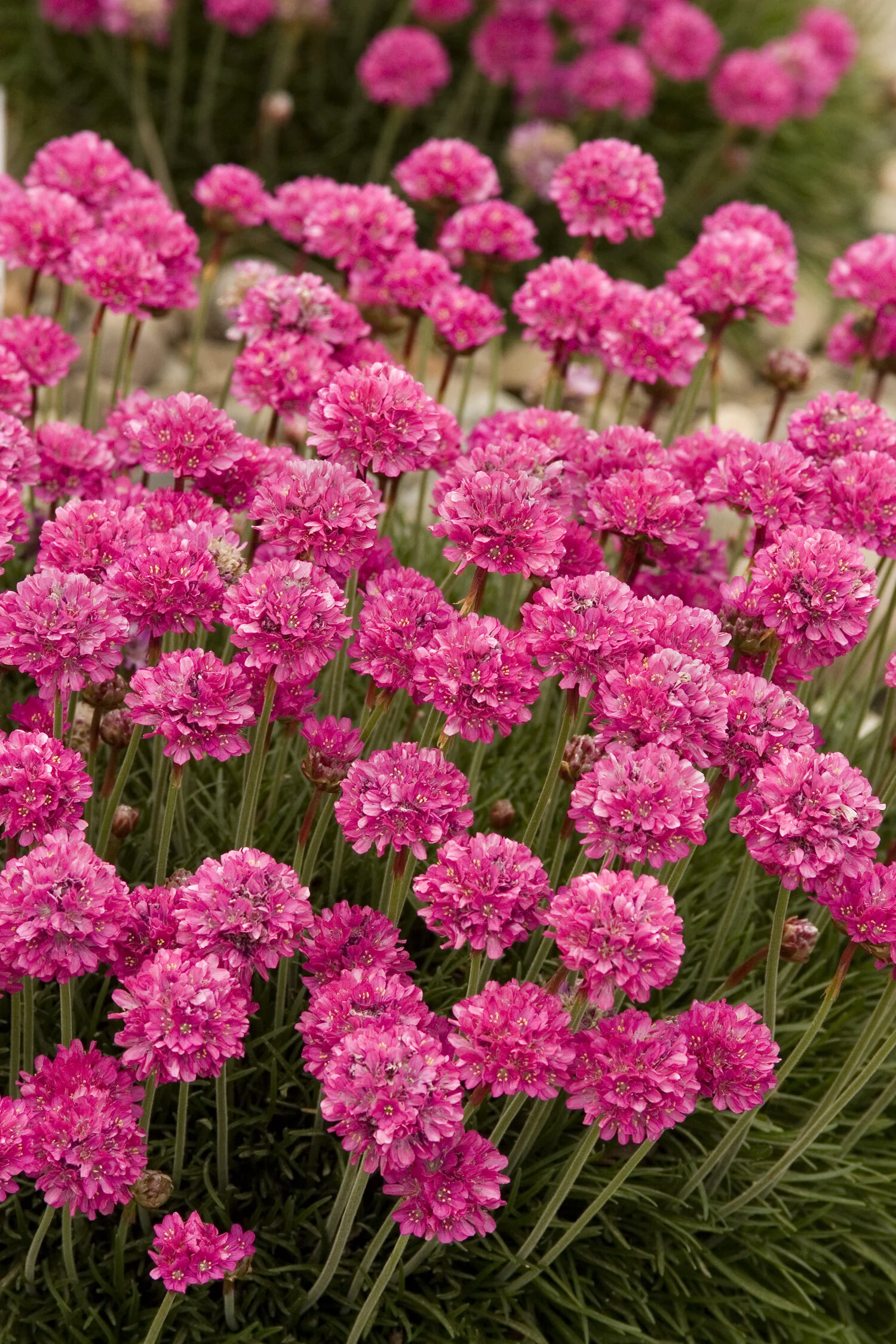
Splendens Thrift
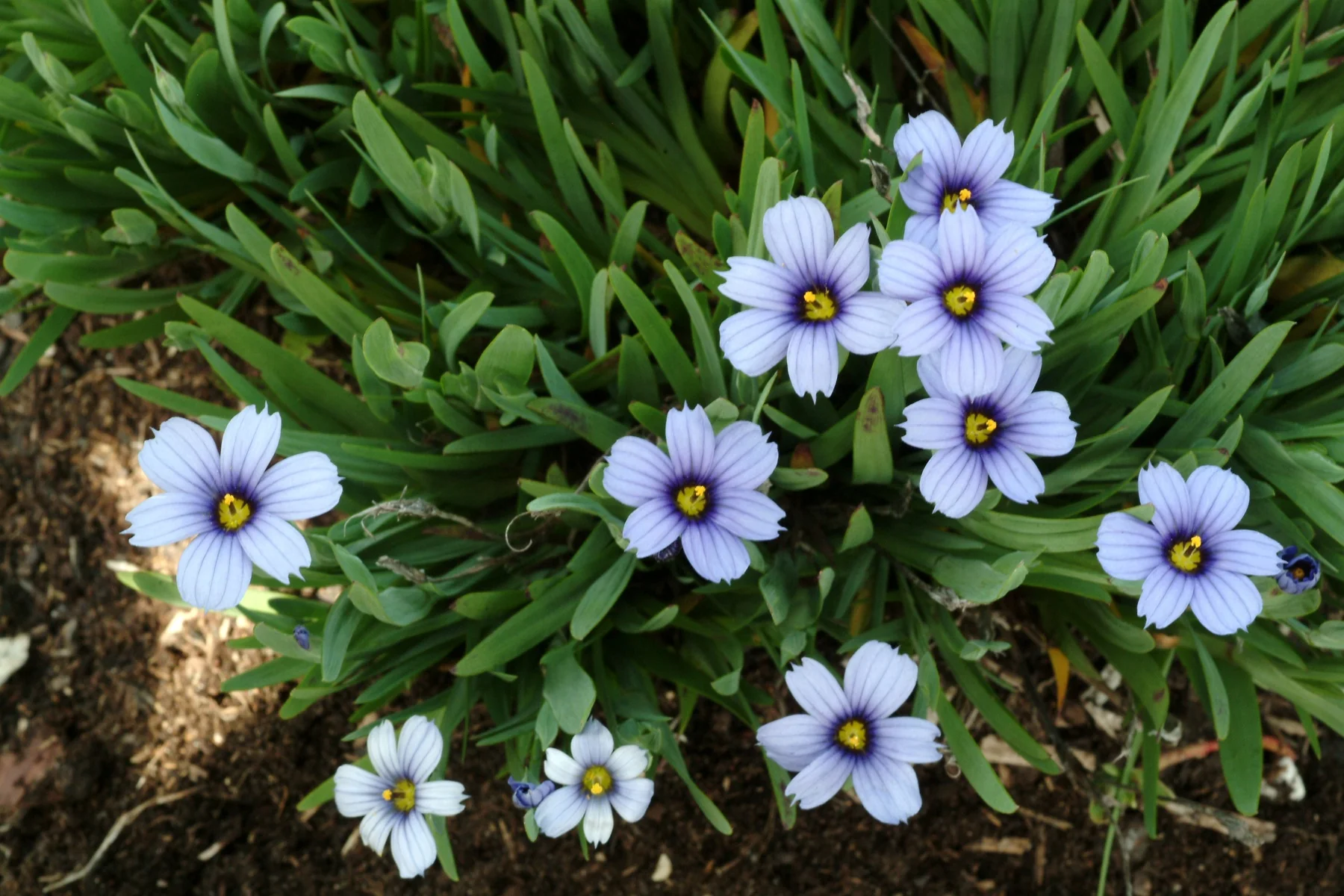
$145.00 Original price was: $145.00.$43.50Current price is: $43.50.
1000 in stock
SKU: Tav6YpgkIr
Category: PLANTS
LIGHT: Full sun
WATER: Water when top 2 inches of soil is dry.
SIZE: Foliage reaches 6 in. tall, up to 12 in. wide; blooms to 12 in. tall.
| Description | The dome of blade-like dark green foliage becomes covered with wine-red blooms. Excellent for edging or as a tightly spaced groundcover for mass color. Well suited to rock gardens and dry stream beds. Perfect size for pots and troughs. An herbaceous perennial. |
|---|---|
| Bloom Time | Spring |
| Deciduous/Evergreen | Herbaceous |
| Special Features | Attracts Pollinators |
| Problems/Solutions | Coastal Exposure, Deer Resistant, Erosion Control, Rabbit Resistant |
| Growth Rate | Moderate |
| Flower Attributes | Showy Flowers |
| Landscape Use | Border, Container, Ground Cover, Edging |
| Design Ideas | Little thrift is remarkably versatile offering a perfect perennial for pots and troughs. Plant in masses for a “lawn” that blooms. Nestles around rocks and dry stream beds for naturalistic looks. Makes a prim edging for smaller city gardens and to neaten up the front of a perennial border. Use to fill in gaps around the edges of pools and water gardens. |
| Flower Color | Red |
| Foliage Color | Green |
| Companion Plants | Grow thrift with other small stature beauties such as Emerald Blue Creeping Phlox, (Phlox subulata ‘Emerald Blue’), Blue Clips Carpathian Harebell, (Campanula carpatica ‘Deep Blue Clips’), May Night Sage, (Salvia x sylvestris ‘May Night’) and Thumbelina Leight English Lavender, (Lavandula angustifolia ‘Thumbelina Leigh’). |
| Care Instructions | Thrives in well-drained, loamy to sandy soils; shelter from harsh afternoon sun in hot summer regions. Water deeply, regularly in first growing season to establish root system; once established, tolerates mild drought. Avoid excessive winter moisture. Feed regularly throughout growing season. Remove spent flowers to promote repeat bloom. |
| History | The species name attests to its origin as a maritime coastal plant native to Europe. In the famous 17th century herbal, John Parkinson explains that it was a valuable ornamental plant for knot garden. Early cultivars of the species result from the crossing with A. setacea and the larger A. alliacea. |
| Lore | These plants survive on the wild rocky cliffs and salt marshes of the coast where they prove quite tolerant of high salt and copper concentrations in the soils. |