
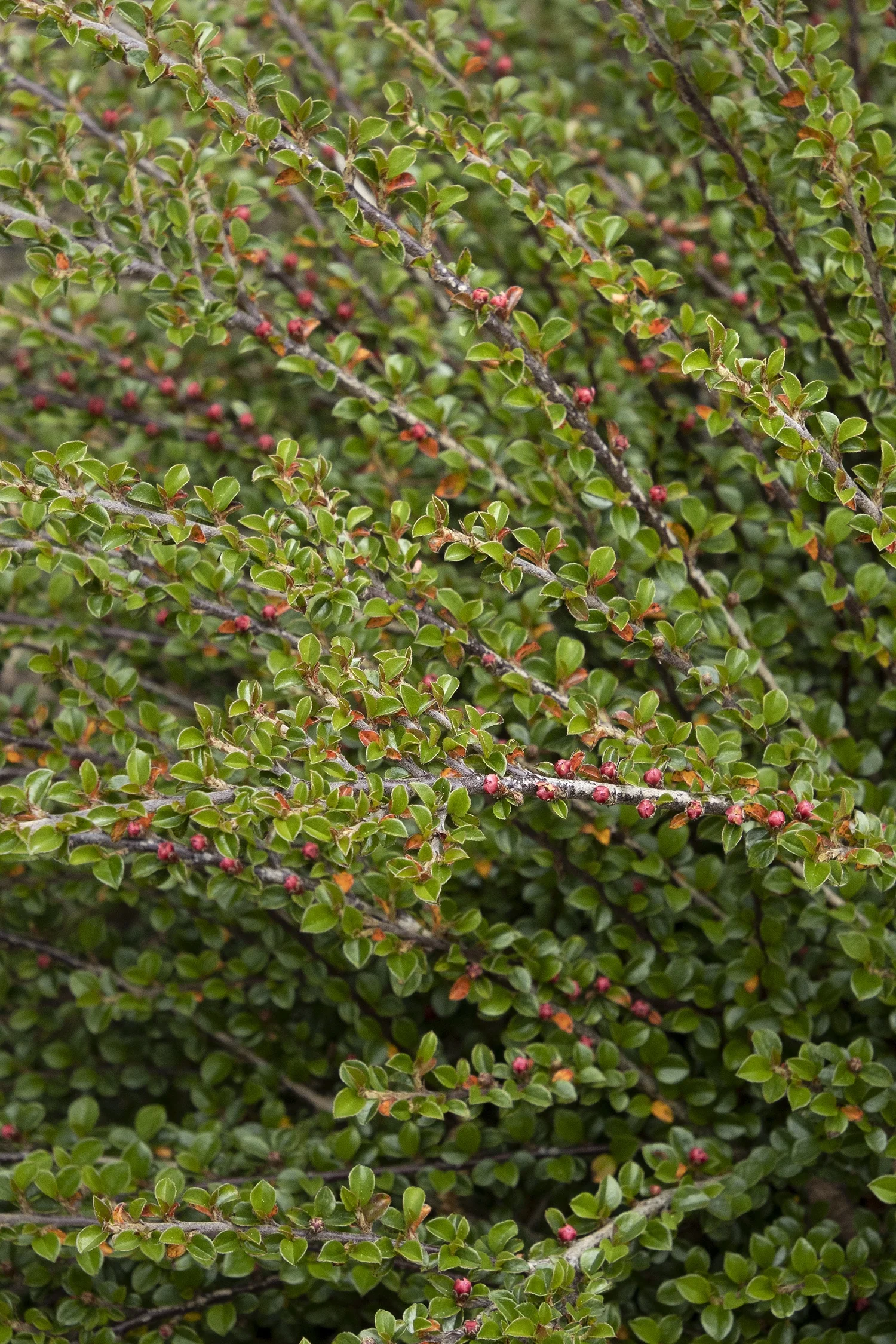
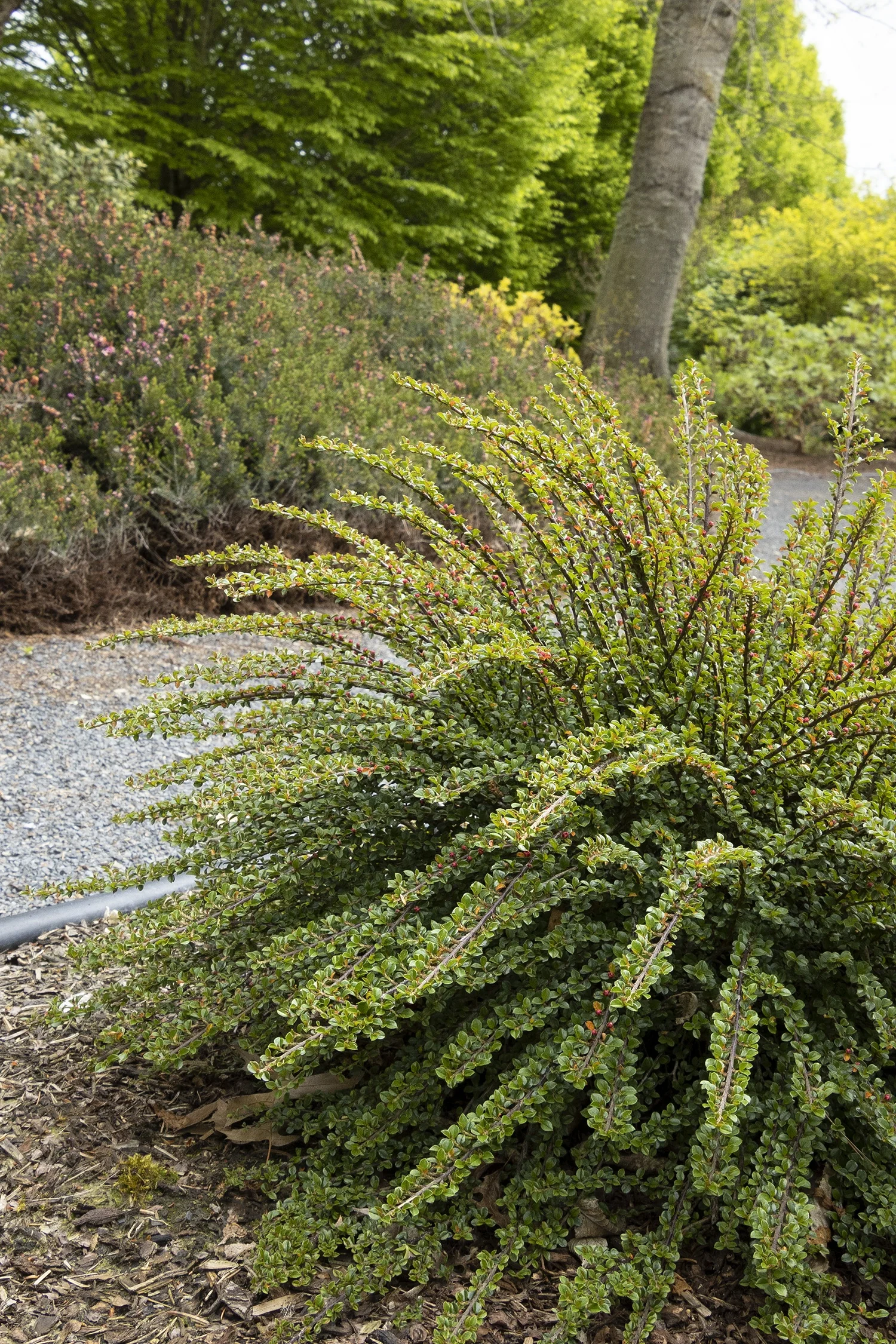
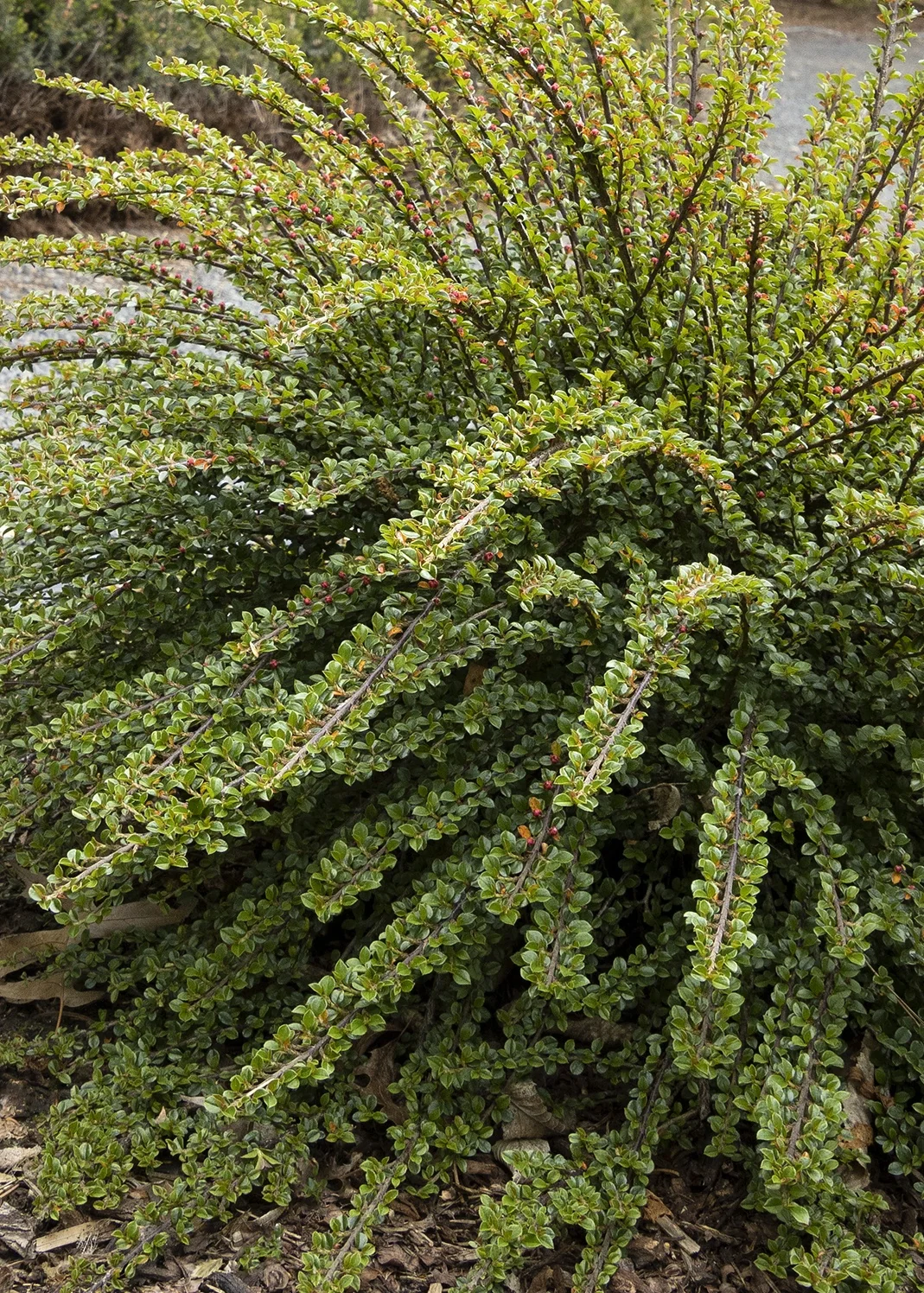
Tom Thumb Cranberry Cotoneaster
$99.00 Original price was: $99.00.$29.70Current price is: $29.70.
1000 in stock
SKU: 9E6g8z684R
Category: Flowering Shrubs
LIGHT: Full sun
WATER: Once established water during dry spells.
SIZE: Moderate growing; reaches 1 to 2 ft. tall, spreading 5 ft wide.
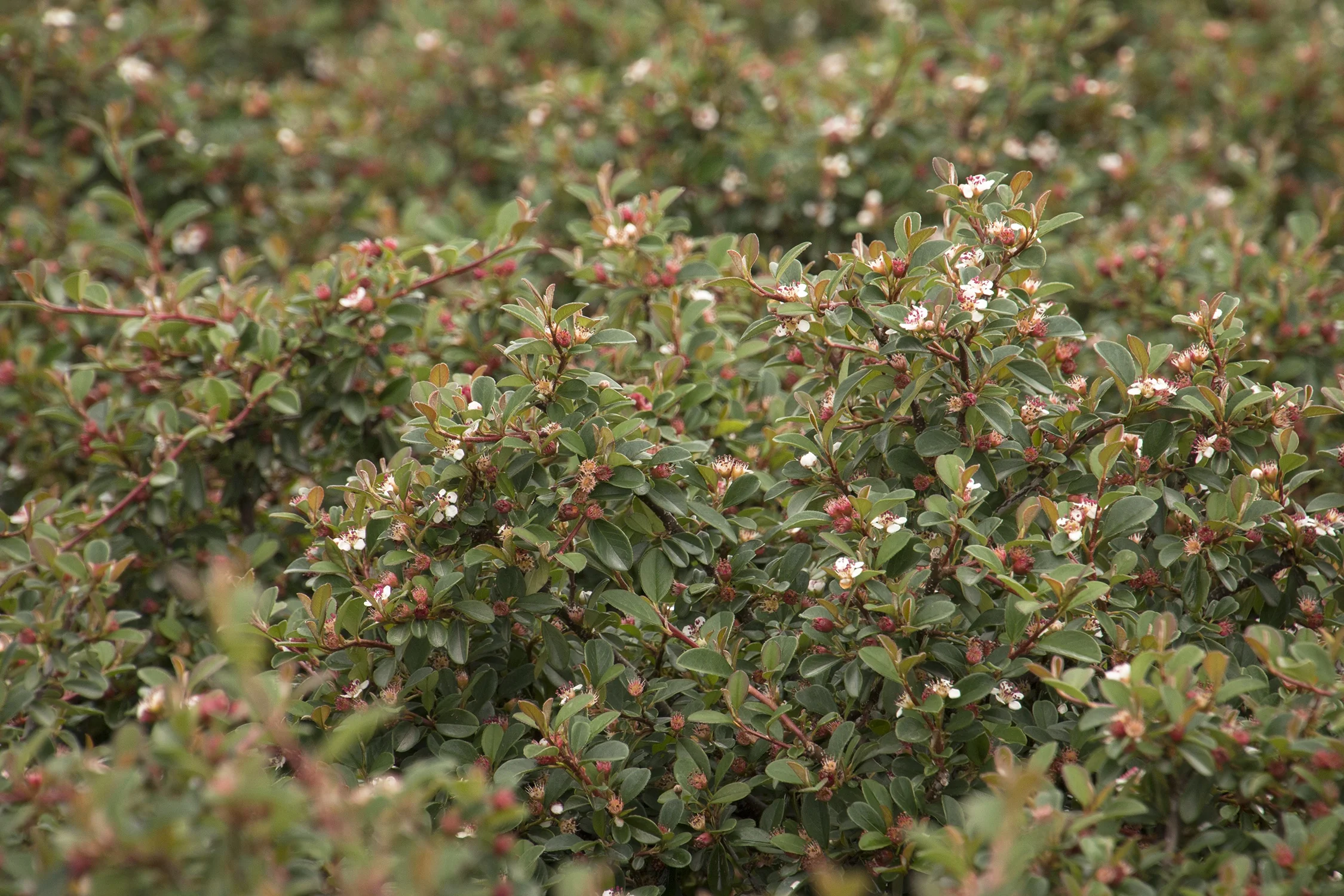
| Description | Tiny glossy leaves grace the arching branches of this tidy, compact variety. Spreads as a dense mound requiring little to no pruning to maintain its shape, making it an excellent low-maintenance groundcover. Offers bright red to burgundy fall foliage hues. Grows well in poor soils, including dry areas and clay. Semi-evergreen to deciduous. |
|---|---|
| Bloom Time | Summer |
| Deciduous/Evergreen | Deciduous |
| Special Features | Fall Color, Waterwise, Compact Form, Benefits Birds |
| Problems/Solutions | Deer Resistant, Erosion Control, Rabbit Resistant, Tolerates Urban Pollution, Road Salt Tolerant |
| Growth Rate | Moderate |
| Flower Attributes | Showy Flowers |
| Landscape Use | Barrier, Border, Espalier, Hedge, Ground Cover |
| Design Ideas | Plant en masse over a wide area to create a weed-blocking groundcover. Works well in rock gardens as a backdrop for plants with blue-green or red foliage. Place near plants with larger foliage to add a contrasting texture. |
| Flower Color | White |
| Foliage Color | Green |
| Foliage Fall Color | Burgundy |
| Companion Plants | Magnolia (Magnolia); Rose (Rosa); Juniper (Juniperus); Dogwood (Cornus); Cranberry Bush (Viburnum) |
| Care Instructions | Grows easily in average, well-drained soils. Adaptable to a wide range of soil conditions, but does not do well in hot, humid climates. Water deeply, regularly during first growing season to establish an extensive root system; reduce frequency once established. Apply fertilizer in early spring. |
| Lore | The name Cotoneaster derives from cotoneum, a Latin name for the quince, and the suffix -aster, meaning ‘resembling’. |
| Size | #2 – 1.6 Gallon |
|---|