
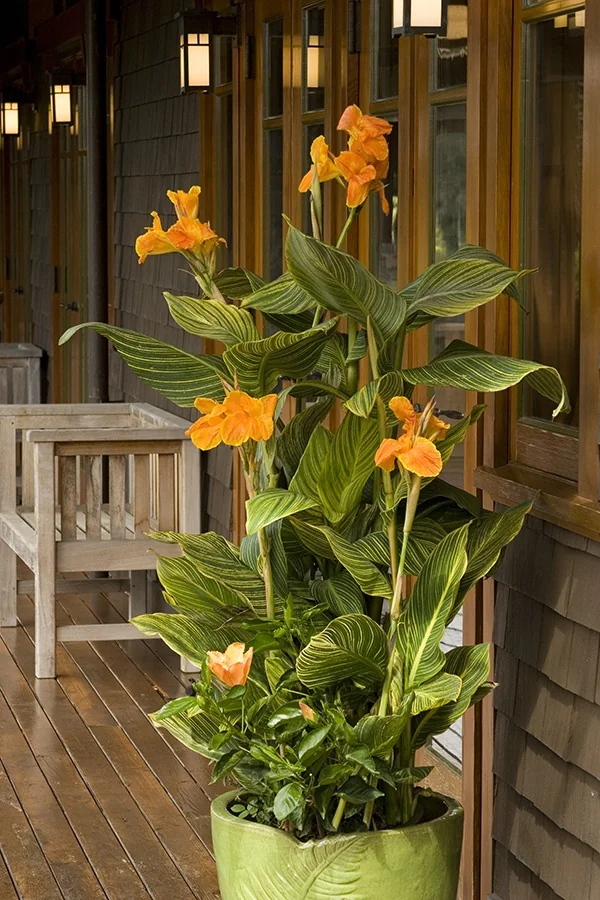
Tropicanna® Gold Canna
$40.00 Original price was: $40.00.$12.00Current price is: $12.00.
1000 in stock
SKU: H0PNndU6Ar
Category: Perennials
LIGHT: Full sun, Partial sun
WATER: Keep soil consistently moist.
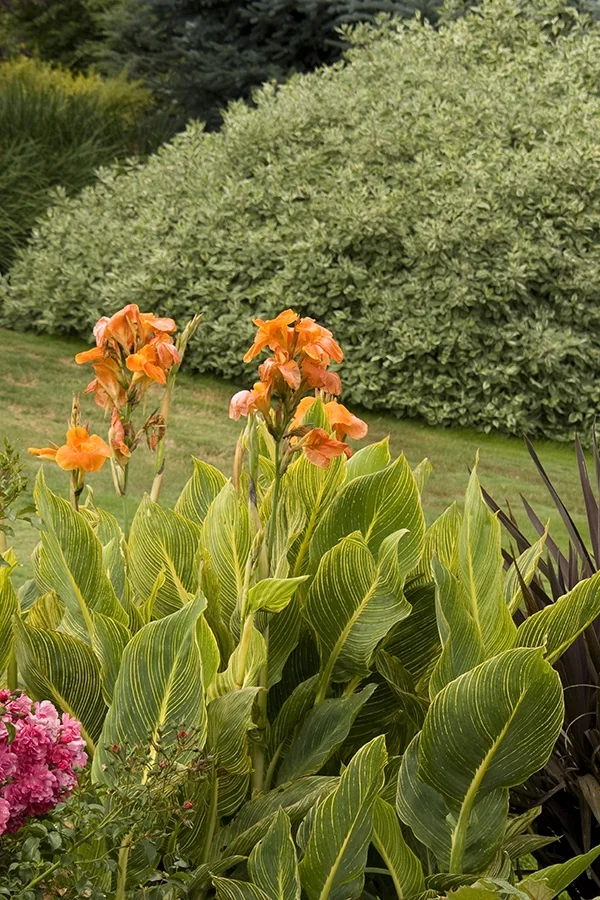
SIZE: Foliage reaches 4 to 5 ft. tall; flowers rise 1 ft. above the foliage.
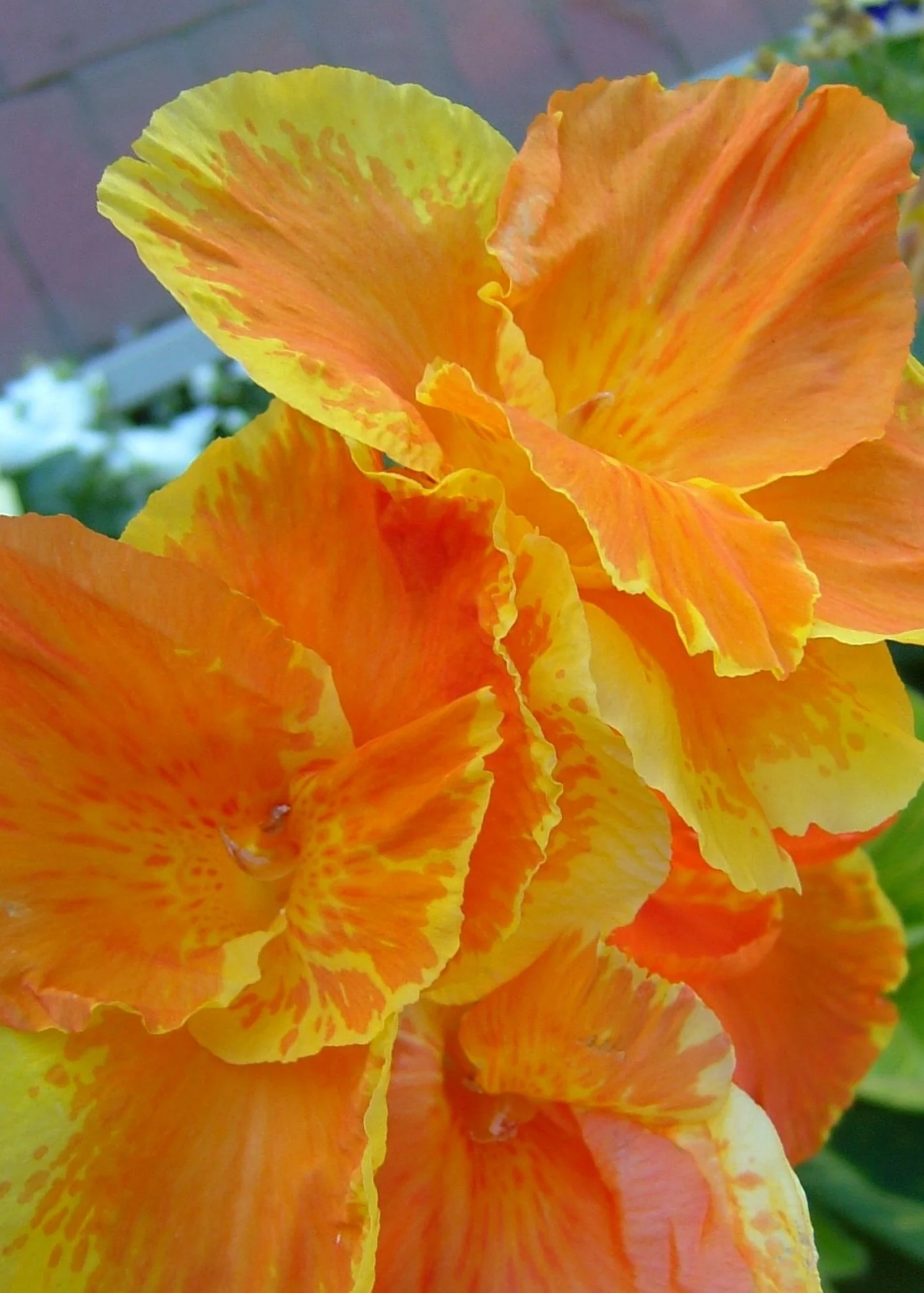
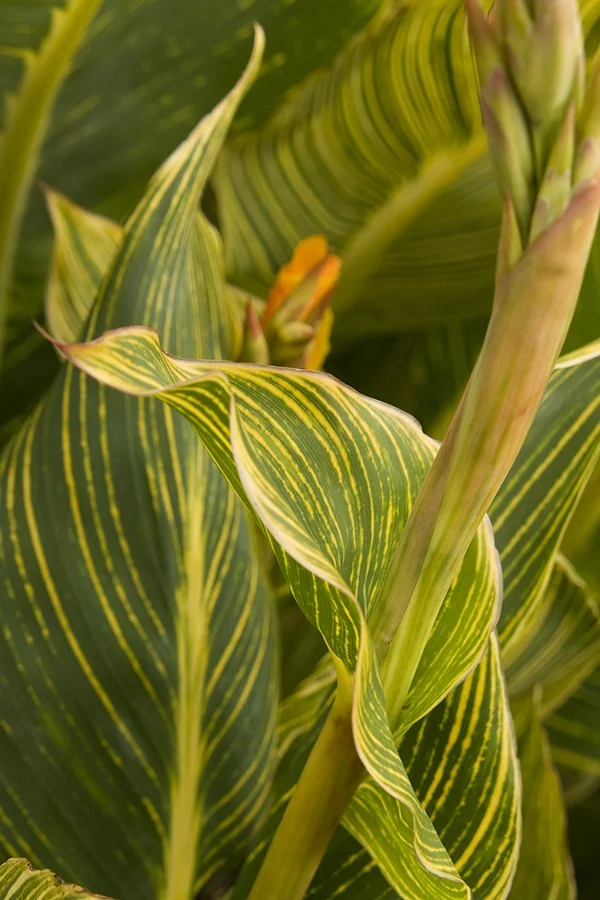
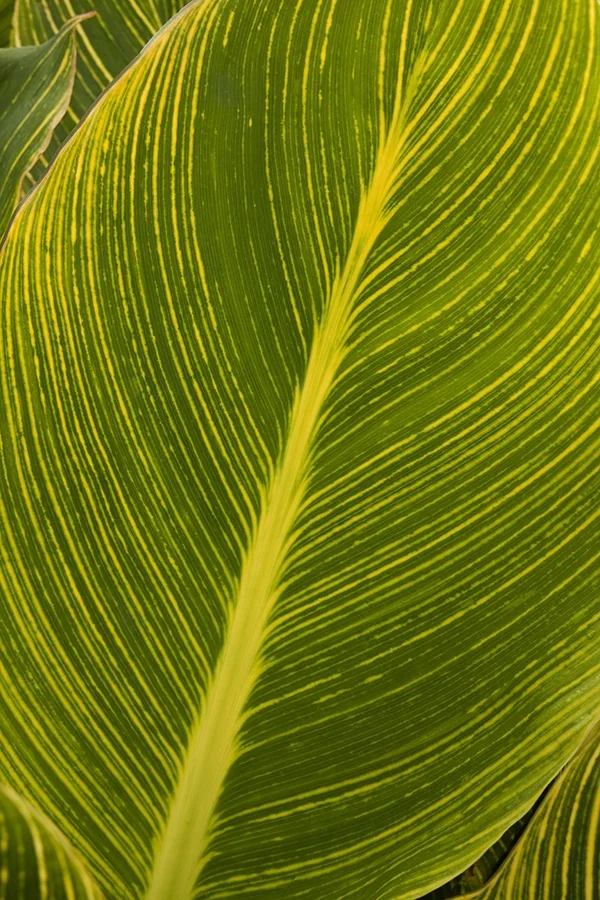
| Description | Tall stems are crowned with vivid orange-yellow flowers with dark orange speckled throats. Large exotic leaves, striped green and gold, add dramatic interest. This outstanding selection provides lush texture and color to garden beds and patios and is an excellent container specimen. An herbaceous perennial. |
|---|---|
| Bloom Time | Summer to fall |
| Deciduous/Evergreen | Herbaceous |
| Special Features | Dramatic Foliage Color, Easy Care, Non-toxic to Cats and Dogs, Attracts Pollinators |
| Problems/Solutions | Very Wet Areas |
| Growth Rate | Moderate |
| Flower Attributes | Showy Flowers |
| Patent Act | Asexual reproduction of plants protected by the Plant Patent Act is prohibited during the life of the patent. |
| Landscape Use | Border, Container, Poolside |
| Design Ideas | With their exotic foliage, cannas are the darlings of the tropical garden even when located in more temperate climates. They are outstanding in containers that allow for winter cold protection. The plants are superior accents around water gardens and are a natural since these are technically marginals and will grow in standing water. They are also outstanding single specimens against contrasting backgrounds whether hard scape or dense foliage. |
| Flower Color | Orange |
| Foliage Color | Variegated |
| Companion Plants | Verbena (Verbena); Lavender (Lavandula); Montbretia (Crocosmia); Lantana (Lantana); Agapanthus (Agapanthus) |
| Care Instructions | Thrives in loose, nutrient-rich, evenly moist soils, but adaptable when established; tolerates wet, poorly drained soils. In mild winter regions, leave in-ground for spring regrowth; prune to the ground in fall. In regions below zone 7, remove rhizomes in fall and store in a cool, dry place. As an indoor plant, provide bright, indirect light. |
| History | This open pollinated seedling is a direct descendant of the original Canna Tropicanna™, originally hybridized by Neil McCormack of Seaview Nursery, New Zealand. |