
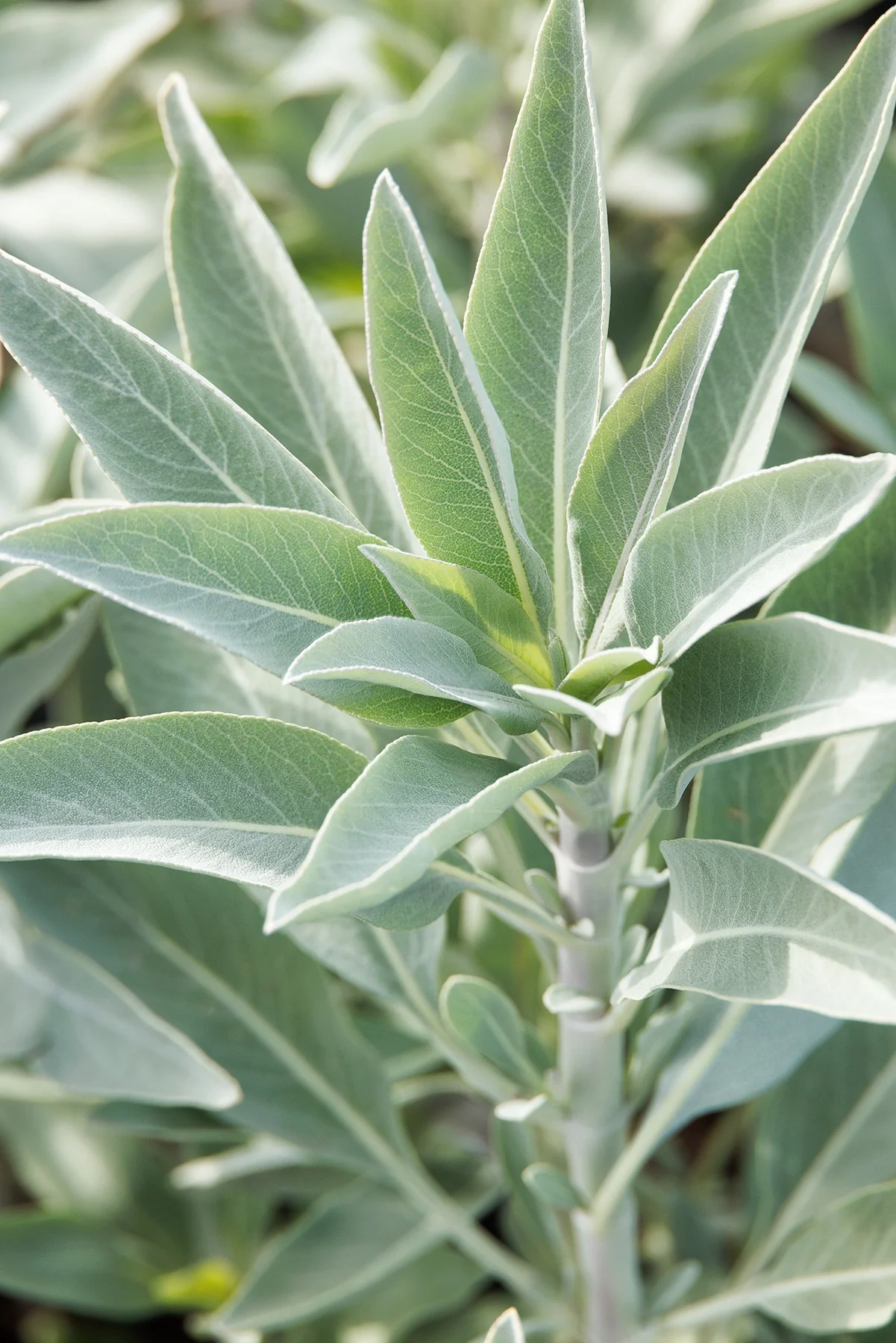
White Sage
$96.00 Original price was: $96.00.$28.80Current price is: $28.80.
1000 in stock
SKU: NF7HUiQOxm
Category: PLANTS
LIGHT: Full sun
WATER: Once a month max, once established.
SIZE: Reaches 3 to 5 ft. tall, 3 to 8 ft wide.
| Description | Tall spikes with clusters of white flowers grow above a mound of highly fragrant, silver foliage. Excellent in a moon garden. A cornerstone species of the coastal sage scrub habitat of Southern California and Baja California, and an important food source for bees, butterflies and hummingbirds. Also a very important plant for indigenous communities of the area. A waterwise plant, suitable for xeric landscapes or habitat restoration. Evergreen. |
|---|---|
| Bloom Time | Winter to summer |
| Deciduous/Evergreen | Evergreen |
| Special Features | Attracts Butterflies, Attracts Hummingbirds, Easy Care, Waterwise, North American Native, Attracts Pollinators, Heat Loving |
| Growth Rate | Moderate |
| Growth Habit | Mounding |
| Landscape Use | Border, Hedge, Hillside |
| Flower Color | White |
| Foliage Color | Silver-green |
| Care Instructions | Adaptable to a variety of soil, provided good drainage. Thrives in poor soil. Water deeply every 1 to 2 weeks to establish, letting the soil dry in between waterings. Once established, do not water more than once a month in summer. Flower stalks may be removed when finished in late summer. Sprawling branches may be removed if desired at any time. |
| Lore | The Cahuilla, Chumash, Costanoan, Diegeño, Kawaiisu, and Maidu tribes of California use white sage for various purposes; as food, medicine, and burned as part of purification ceremonies. Today the leaves and stems of Salvia apiana are gathered, dried, and used for smudging by many tribes around the country. The Chumash and other California indigenous people are concerned about the overharvesting of this plant for commercial purposes. |